

NH 66 at risk? backwater soil used in construction under scrutiny
Mail This Article
Alappuzha: Experts have raised concerns over using soil containing mud and ‘ekkal’ (silt) from the backwaters for the construction of the National Highway 66 (NH 66) in Kerala. The latest incident of a flyover under construction collapsing at the NH construction site at Mylakkadu in Kollam district on Friday indicates that roads built with such soil would not be stable, experts said.
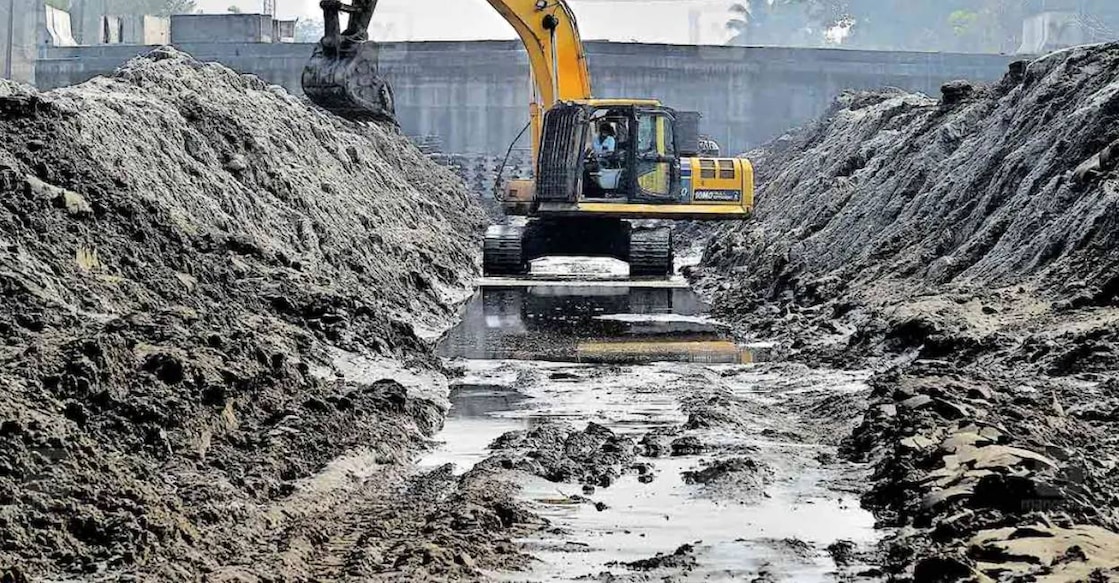
Soil dredged from the Vembanad and Ashtamudi backwaters is widely utilised for NH work in Alappuzha and Kollam districts. However, the nature of the soil in backwaters varies widely depending on the region from which it is dredged. The experts also expressed doubts about whether mud and silt were completely removed from the soil taken from the backwaters before it was used for road work.
Upendra Narayan, a member of the Kerala Road Safety Authority, said the NH 66 is being built in Kerala without conducting a proper study of the land's peculiar features or load-carrying capacity. “There is a possibility for the land to collapse in more locations of the new NH when heavy trucks and other vehicles to Vizhinjam port and other places pass along the road,” he said.
While the soil in the Punnamada area, where dredging is currently taking place, has low salinity, the soil in Kayamkulam Canal and Ashtamudi backwaters, which are located close to the sea, has salinity levels of above 17 PPT (parts per thousand). A retired engineer said that mixing soil with such high salinity would weaken the concrete.
At the same time, officials of the National Highways Authority of India (NHAI) said that there are specifications on the quality of soil and other mixtures used for levelling and raising the road.
“The soil from the backwaters is washed twice and also subjected to chemical cleaning to remove salt and other compounds before it is utilised for road construction,” said an official of the NHAI, which has assigned the work to a contractor.
 Add as a preferred source on Google