

IPL ‘impact player’ a factor in India’s twin T20 series defeats abroad
Mail This Article


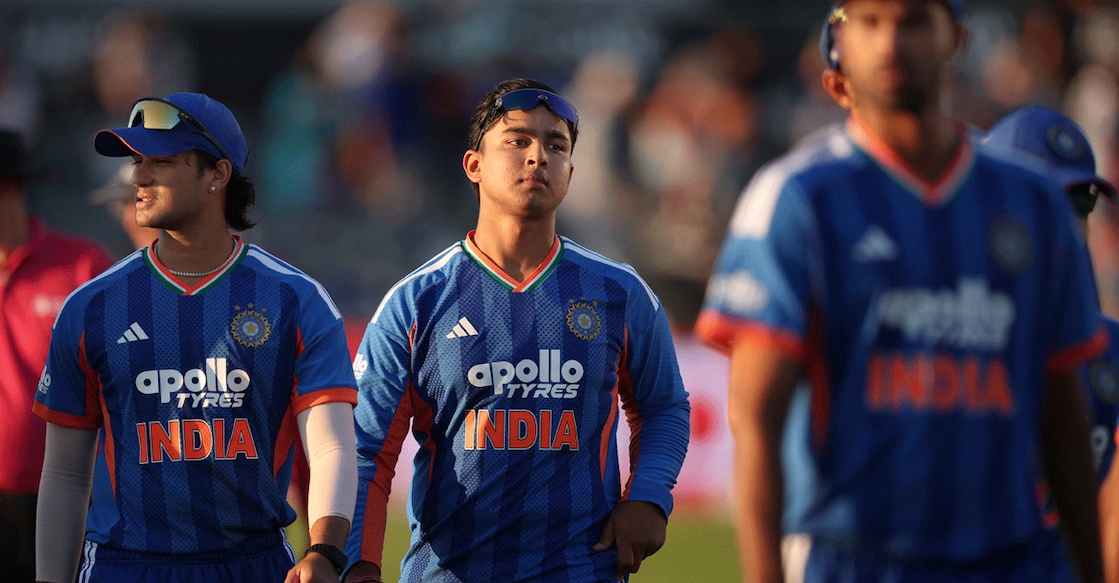
This run of defeats that India has suffered against Ireland and England in the T20 series makes this one of the worst tours by the national side in recent times. There have been worse defeats in Test matches, where India used to be blanked by hosts during their visits to England till the late 1960s and on a couple of occasions after that as well. But the string of losses to the lowly placed Ireland and the defeats by huge margins at the hands of England in the version of the game where India had not lost a series in the last three years would rankle both the cricket establishment and followers of the sport in the country for a long time, as the side went down without offering a fight. This was a far cry from the team that did the nation proud by winning the International Cricket Council (ICC) T20 World Cup on home soil in March 2026.
It is true that India did not send a full-strength national side for this tour. Jasprit Bumrah, the leader of the attack and one of the top fast bowlers in the world, was rested, as was Hardik Pandya, the leading all-rounder. Also absent from the squad was Kuldeep Yadav as the selectors wished to experiment with new talent. Injuries to Varun Chakravarthy and Harshit Rana made matters worse. Ravi Bishnoi had such a poor outing in the only match he played that the team management lost all faith in him. The two all-rounders, Washington Sundar and Shivam Dube, were completely off colour. Thus, the poor show by the bowlers compounded the absence of veterans, leading to a complete failure on the bowling front.
However, this excuse will not apply in the case of batsmen. The batting line-up, especially the top order, was not significantly different from the one that took part in the T20 World Cup. The only change in the Sanju Samson- Abhishek Sharma- Ishan Kishan- Suryakumar Rao (SKY)- Tilak Varma combination was the replacement of SKY by Shreyas Iyer, both as captain as well as at No. 4 slot in the order. The other change that was attempted involved the blooding of Vaibhav Sooryavanshi, in place of an off-colour Samson during the series against England.

It is not difficult to understand the reasons for the poor show put up by the batsmen. They have been so used to batting on the placid wickets in India that it is not surprising they found it difficult to score runs when confronted with a probing attack in conditions that lent help to the bowlers. The overwhelming focus on posting totals over 250 runs and hitting sixers in the Indian Premier League (IPL) has resulted in the preparation of dead wickets where the ball neither moves nor bounces above knee height. This has led to the creation of a generation of “flat track bullies”, who revel in home conditions but flounder badly when pitted against good quality bowlers on helpful wickets. Selectors will do well to consider inducting batsmen like Shubman Gill, who possess the technique to perform in all versions of the game on all types of wickets, back into the T20 squad.
The next factor behind the poor show is the provision for having an “impact player” in IPL. This provision, which allows the captains to name five substitutes, any of whom can replace a player in the playing eleven, gives the option to bring in an extra specialist batsman or bowler into the game as the situation demands. The flip side of this “revolutionary” move is that this brings down the importance of all-rounders in the tactical plans of the sides. When the captain and team management have the option of availing the services of a specialist batsman or bowler, they tend to be wary of utilising the services of all-rounders. This has resulted in all-rounders such as Dube, Sundar and Nitish Reddy getting fewer opportunities to turn their arms over in IPL matches. Given this background, it is not surprising that Dube and Sundar fared poorly when asked to bowl in the games against England and Ireland.
The law of diminishing returns appears to have caught up with Axar Patel and Varun Chakravarthy, two reliable performers until recently. Seeing the ease with which batsmen are playing Varun presently, it appears that he has been sorted out, which indicates that he needs to go back to the drawing board to reinvent himself as a match-winner. Axar, on the other hand, looks jaded on account of playing too much cricket and needs a break from the game to recharge his batteries.
Another aspect that came in for criticism concerned the selection of the team. There were three new faces in the side- Prince Yadav, Suryansh Shedge and Vaibhav Sooryavanshi. None of them could rise to the expectations placed on them by the selectors. Yadav, who came on the strength of good performances in the last edition of IPL, bowled well in patches but lacked consistency. Shedge had won the nod of the selectors based on his performances in the Syed Mushtaq Ali Trophy, where his batting during the “death overs” and abilities as a medium pacer helped Mumbai win the championship. However, the impact player rule limited the opportunities he got as a bowler in IPL. Unfortunately, he disappointed with both the bat and the ball in the two matches that he played during this tour.
This brings us to Sooryavanshi, who has been the object of intense attention by the media and public since his exploits in IPL. Logic and past experience decreed that this youngster be made to play in the domestic first-class circuit and be part of India A side for at least one season before being blooded into the high-voltage arena of international cricket. But the pressure from the public and the hype created by media- print, visual and social- and the horde of former players was so intense that the selectors chose to let go of all caution and picked him for this tour. The decision not to include him in the playing eleven in the games against Ireland created a huge outcry, with some even going to the extent of spreading the horrible innuendo that his omission was to preserve the record of Sachin Tendulkar as the youngest Indian cricketer to play cricket at the international level. Despite showing his batting prowess by hitting sixers in the early part of each innings’, Sooryavanshi could not make a tall score with the bat in any of the matches he played.
This poses the question as to how the future career of this prodigy needs to be managed. Darryl Cullinan, the reputed former South African cricketer, has gone on record that Sooryavanshi should be allowed to complete his physical and emotional growth before he is exposed to the wiles of the best bowlers in the world and the intense scrutiny of social media. However prodigious be the talent a player is blessed with, he still needs to hone his technique to perfection during his formative years to do full justice to his abilities. Similarly, he should be allowed to develop his identity during his childhood, independent of performance and observations of others, rather than have it foreclosed by his skills with the cricket bat. Cullinan observes that by being pitchforked into the highest level while still in his early teens, Sooryavanshi runs the risk of becoming a legend before he has a chance to mature as a man. The fact that he has the bat speed, courage and market value of an adult tends to blind the fact that he is only 15 years of age. Cullinan has also strongly advocated that the Board of Control for Cricket in India (BCCI) should follow the footsteps of the Women’s Tennis Association (WTA) by laying down rules specifying the limits of how much international and franchisee cricket players under the age of 18 could play.
It will be in the best interest of Indian cricket and Sooryavanshi if the BCCI decides to follow the advice of Cullinan while planning the career of one of the most amazingly talented cricketers that this country has seen. As Cullinan himself put it, the objective should be to build safeguards to protect the long-term interests of the minors in a professional game and ensure that they retire at the age of 40, rather than “getting washed up at 25”. It is high time BCCI got its act together in this regard. They should remember that shaping the career of champion cricketers is as important a responsibility as making the nation a global financial powerhouse in this sport.
