

Onam mood in Fukuoka: Japanese couple brings India alive with banana leaf thali meals
Mail This Article


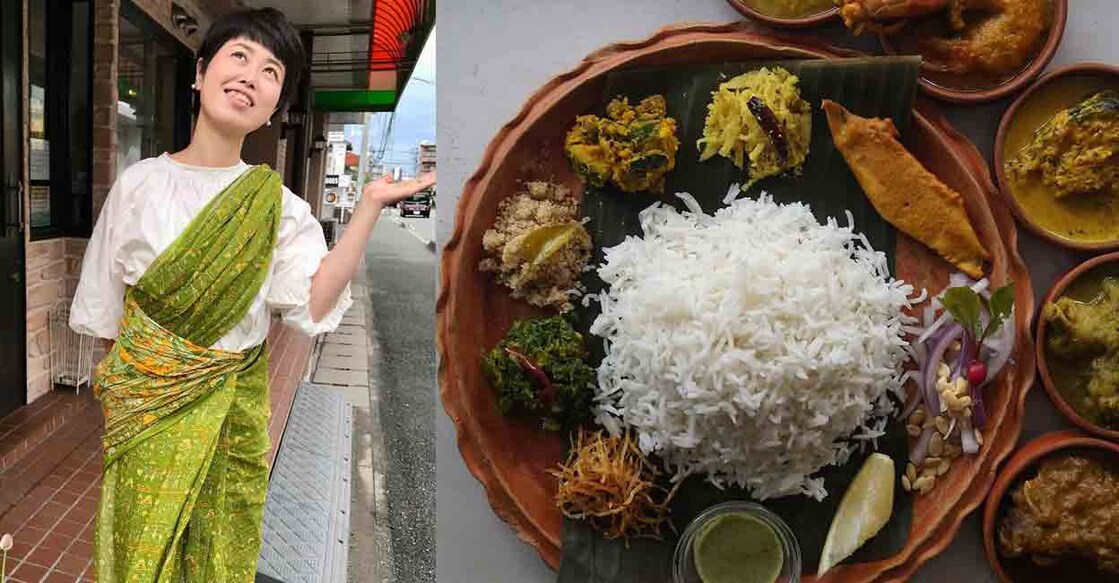
In Fukuoka’s Kasuga, a restaurant is recreating the familiar sights of an Onam table — banana leaves spread out, steaming dishes placed one after another, and the quiet grace of a saree-clad host.
Indian Spice Factory, run by chef Nakayama and his partner Sachiko, has become a talking point online for the way it carries Indian food traditions across borders. From Bengali thalis and Kashmiri phirni to murukku and masala tea, the menu pays homage to the diversity of Indian kitchens. Among the most sought-after specials are Ayu Fish Biryani and a full South Indian spread, both served on plantain leaves.
What sets this restaurant apart is not just its recipes but its attention to detail. Every meal is presented in the traditional Indian way, with plantain leaves standing in for plates, instantly evoking the mood of a festive sadya. Sachiko adds another layer of cultural depth by welcoming diners in elegant Indian sarees. The interiors too play their part — lined with sitars, sculptures, and motifs that echo the richness of Indian traditions.
The restaurant shot to fame on social media when reels by Instagram vlogger Sonam Midha went viral. For many Indians who watched them, the visuals brought back festive memories — the abundance of dishes served on banana leaves, the joy of sitting down to a meal that is both ritual and celebration. It is this spirit that made the reels resonate so strongly during the Onam season.
For Nakayama, Indian Spice Factory is not just a business but a culmination of his long relationship with India. Having lived in Kolkata and Delhi, he learnt cooking techniques and culinary traditions firsthand during his student years. He now takes pride in introducing those flavours to Japanese diners, while staying faithful to the cultural settings that make Indian meals distinctive.
In Kasuga, the restaurant has become more than a dining spot — it is a cultural bridge. For Indian visitors, the experience recalls the festive table back home. For Japanese guests, it is a rare chance to encounter Indian traditions in their most authentic form. And for both, it is proof that the essence of Onam — shared meals, generosity, and celebration — can travel across borders and find a home on a banana leaf in Japan.
 Add as a preferred source on Google