

Which pepper works best for pepper chicken? One woman’s rethink of how Kerala’s spices reach the world
Mail This Article


The question sounds almost trivial: which pepper goes into pepper chicken? Ask any local chef and the answer is almost automatic. “What kind of question is that? We use the black pepper available in the market. Is there a special variety meant only for pepper chicken?”
But ask Annu Sunny, a startup entrepreneur from Palar near Nedumkandam in Idukki and the answer will be very different. For pepper chicken, she says, the most suitable variety is Neelamundi pepper. And this is not a causal preference. It is a conclusion she arrived at after extensive testing in collaboration with well known chefs in India and abroad and through trials at various culinary institutions. In fact, Annu has customers, including from overseas, who specifically insist on supplying Neelamundi and nothing else. The distinct flavour and aroma that Neelamundi imparts to pepper chicken is what makes it so appealing.
Annu says the approach marks the beginning of a major shift in spice cultivation and value addition in the coming years. The market for spices such as pepper, cardamom, nutmeg and clove, bought and sold by specific varieties, is likely to grow stronger. India already has numerous products with Geographical Indication (GI) status. From Kerala alone, items ranging from the Thalanadu cloves to Palakkad Matta rice fall into this category.
In agriculture, GI status is based on the unique quality associated with products grown in particular regions. However, despite having GI recognition, we have largely failed so far to market these products distinctly or to derive real economic benefits from that status. Whether or not a product carries GI tag, identifying unique varieties and creating a market of consumers who specifically demand them can ensure better returns for farmers. This is the idea being demonstrated by Gramya, a startup venture founded by Annu along with her co-entrepreneur Bhavesh, a native of Chhattisgarh.
Taste profiles for Kerala spice varities
The aromatic spices from Kerala command a distinct value in international markets. Annu, however, Annu points out that this edge can be sustained only by adapting to changing times. One such timely shift, she says, is the idea of marketing different varieties of the same spice separately.
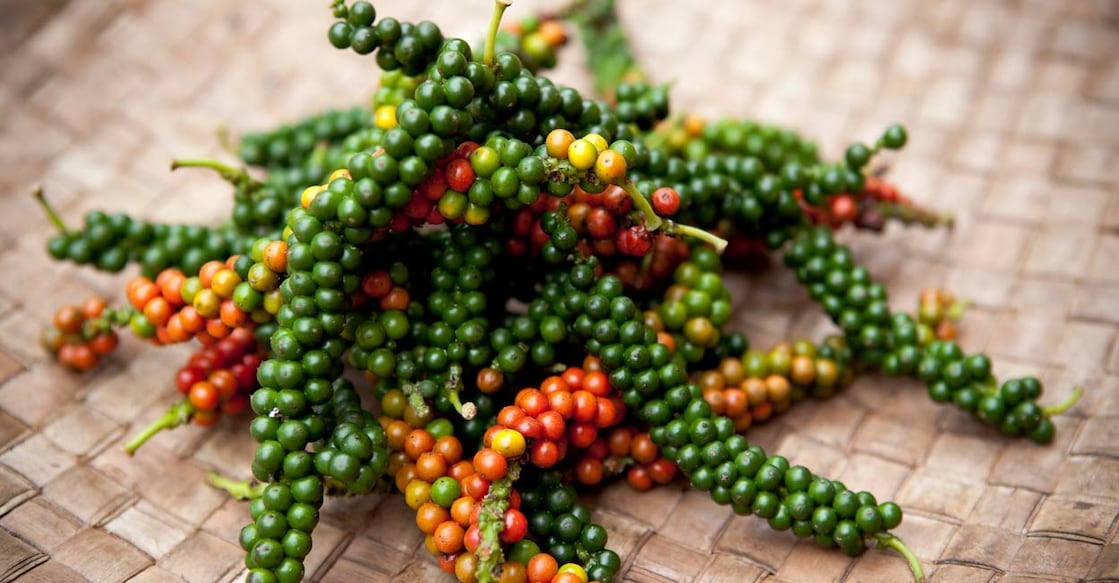
According to her, at a time when the food processing sector is witnessing rapid growth, this approach assumes added significance. Pepper offers a telling example. Traditionally, its value is determined largely by the weight of one litre of pepper. Today, however, the food processing industry and even five star chefs are increasingly focused on flavour and aroma. They know that specific pepper varieties can significantly enhance the taste and fragrance of particular dishes. That is where varieties such as Karimunda, Perumkodi and Neelamundi acquire a value that goes far beyond mere litre weight.
It is in this context that Gramya has taken the lead by working closely with culinary institutions, conducting taste trials and developing detailed 'taste profiles' for each spice variety grown in Idukki, thus helping them gain a stronger foothold in the market.
Gramya sources as many as 17 distinct pepper varieties from the interior villages of Idukki, including Vellamundi, Thulakkodi, Kuthiravali, Cheppukulam, Jeerakamundi, Padhani, Perumkodi, Neelamundi and Kanikadan. Farmers supplying these segregated varieties are paid up to Rs.100 more per kilogram than prevailing market rates. These varieties are then marketed separately and supplied to markets in Europe and elsewhere.

Identifying varieties key for profits
According to Annu, many traditional crop varieties are capable of delivering superior yields and quality. While the average drying ratio of pepper is usually around one third, there are varieties such as Kanikkadan that yield nearly half their weight after drying. At the same time, yield varies from location to location depending on soil, water availability and sunlight. Each variety responds differently to local conditions, and it is up to the farmer to observe this carefully and identify the variety best suited to his or her land.
For instance, Karimunda gives excellent yields in Palar, while in some other areas it performs poorly. Once the right variety is matched with the right terrain, not only does productivity improve, but quality also rises. This, in turn, opens the door to variety specific marketing as well.
At the same time, demand for pepper in international markets is not limited to black pepper alone. White pepper also has a strong global market. It is produced by soaking ripe pepper berries in water and removing the outer skin. Pepper berries that fall off naturally during harvest are typically used for this purpose. When compared to drying ratios, farmers are paid on average more than Rs.250 per kilogram above the market price for white pepper, she says.
Gramya follows the same variety-based approach in cardamom as well. Several varieties are cultivated, including Palakkudi, Njallani, Jaya and Kanni elam. In the Palar region, Annu notes, the Palakudi variety delivers the best yields. Cardamom, too, shows wide diversity in taste and flavour and there is a growing market that specifically seeks these differences. With such value addition, farmers have been able to double their selling price compared to the general market rate.
Annu is also experimenting with high density planting in cardamom cultivation, planting around 1,500 saplings per acre, compared to the conventional practice of about 450 saplings per acre.
In the case of ginger, Annu places a premium on the Ellakkal ginger, a variety grown in the Rajakkad region. This variety is distinctive for its bluish tinge when cut.
Ahead of launching her own ginger tea and masala tea brand in the market, Annu had travelled extensively across Idukki to identify the most suitable ginger variety. Nearly one and a half tonnes of ginger from multiple varieties were procured and tested before zeroing in on Ellakkal. The choice paid off, as the product achieved the desired quality and flavour.
Gramya’s product line up is not limited to ginger, pepper and cardamom. The startup also procures cloves, kudampuli (Malabar tamarind), sarvasugandhi (allspice), paddy and several other native agricultural products from the villages. With crops now commanding better prices, Gramya is witnessing a renewed interest in farming among local residents, a shift the collective regards as one of its most meaningful achievements.
From IRMA to Idukki
After completing her undergraduate studies, Annu Sunny went on to finish the India Fellow social leadership programme and worked with leading rural management institutions, including IRMA in Gujarat. During her stint in North India, her work largely focused on initiatives aimed at improving the living standards of rural households.
In 2018, along with her colleague Bhavesh, she shifted her field of work to the interior villages of Idukki. Annu says her move into agriculture was driven by the realisation that true impact lies in enabling rural communities to adopt sustainable livelihoods that assure stable incomes rather than merely channelling aid through conventional NGO models. Coming from a family engaged in cardamom and tea cultivation, agriculture was never unfamiliar territory for her.
Gramya was conceived with the objective of sourcing farm produce from cultivators in interior villages at premium prices and delivering it to consumers who truly recognise its value. A wide range of agricultural products grown using safe and sustainable farming practices are collected from villages, processed, value added and taken by Gramya to national and international markets.
At present, the enterprise procures produce from nearly 200 farmers, in addition to crops grown on its own organic farm. To support value addition, Gramya operates a large, well equipped processing unit with state of the art machinery at Palar.
 Add as a preferred source on Google