

Love for God’s Own Country: Brazilian woman to add Kerala to her name
Mail This Article
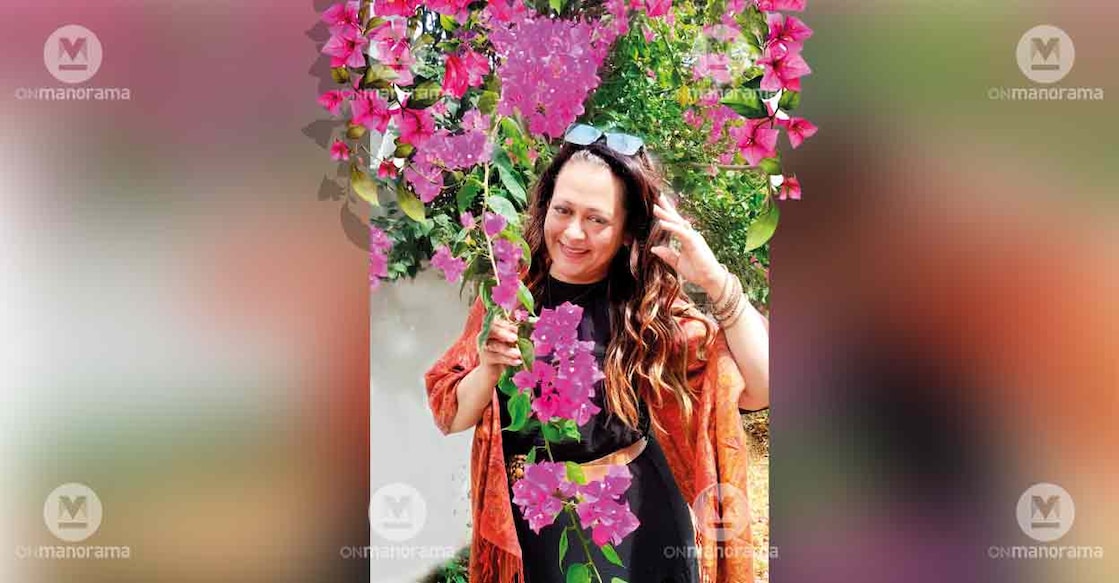
Love for a place often shows itself in memories, return visits and lasting friendships. For Brazilian artist and teacher Kamila Liyal Rosa, that affection runs so deep that she is ready to carry Kerala in her very name. On her sixth visit to India, the folk artist has decided to replace the ‘C’ in Camila with a ‘K’, a gesture reflecting her enduring bond with Kerala’s villages, art forms and way of life.
Kamila came to Onattukara to witness the Thanavattom Folk Fest organised by Kannur Payyannur Folkland and Mavelikkara Onattukara Sahithi, along with various indigenous art forms staged at the Upanishad Geetha Mahasathram held at Chettikulangara Devi Temple.
A teacher and folk artist, Kamila also serves as an international consultant for the development of language and culture. She has represented Brazil in numerous educational, artistic and cultural programmes across 22 countries in Latin America, Asia and Europe. She is the founder of an institute called Knowledge Partners and runs a project titled `Brazil-India Citizens of the World.' Kamila is also the creator of Hitmando, a study aid that combines rhythm, movement and intellectual exercises. In addition, she is an acclaimed speaker and film jury member. She is visiting Kerala along with Folkland Chairman Dr V Jayarajan and his wife, Saranjani Jayarajan.
Having visited India five times before, Kamila shares her experiences about the country with much enthusiasm:
Loves Indian villages
Kamila says she makes it a point to visit Indian villages during every trip. Everyone visiting India wants to see the Taj Mahal. But India is not only about the Taj Mahal. I try to spread awareness about India’s beauty, especially Kerala’s villages, indigenous art forms and culinary specialities, through my social media accounts. India is a land of deep-rooted heritage and continuity, she explains. Indian culture is a living tradition, with nothing artificial about it,” she adds.
Kerala stands close to heart
Kerala is a part of my heart itself. Here, one can feel the intrinsic bond between human beings and nature. This is my first visit to Onattukara, where I was able to enjoy various indigenous folk arts at Chettikulangara Temple and Sarada Mandiram. I also love Kerala food, especially dosa and idli. But it was the masala dosa that truly stole my heart, Kamila says.
Art Forms in India and Brazil
“In India, folk arts are linked to ritual, spirituality and daily life, whereas in Brazil they are associated with resistance and identity, Kamila observes. She also notes the similarities between Indian martial art Kalaripayattu and Brazilian Capoeira.
Kamila has ideas to preserve both Indian and Brazilian folk arts. She advocates for Indo-Brazil cultural exchanges focused on education, historical documentation, and international cooperation, particularly through educational institutions. Students should be enabled to immerse themselves in art and live through it, she emphasises.
 Add as a preferred source on Google