
Retail inflation in July slips to 8-year low of 1.55%
Mail This Article


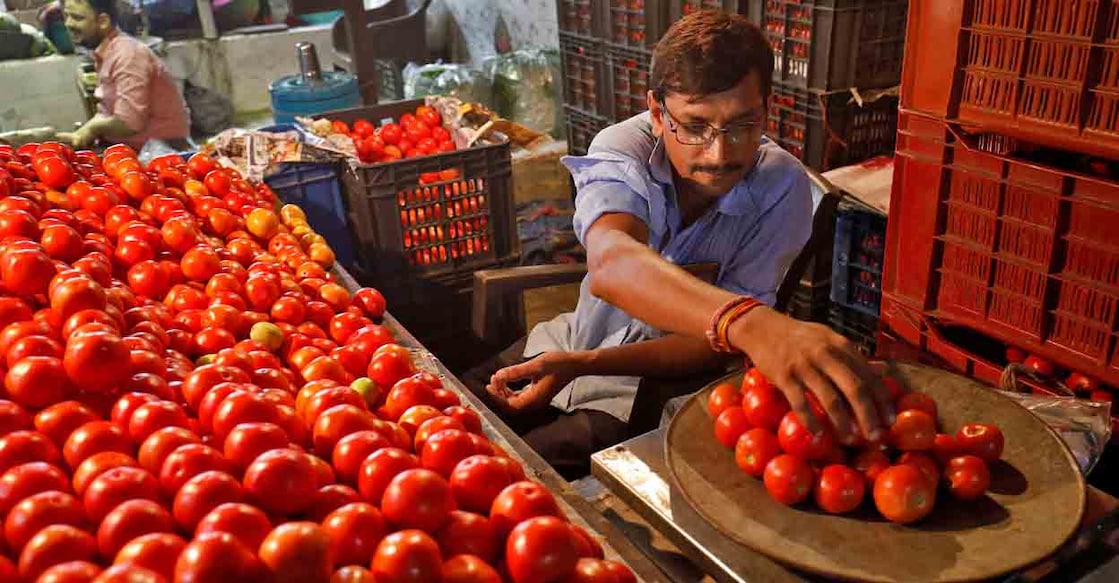
New Delhi: Retail inflation slipped to an eight-year low of 1.55 per cent in July on the back of falling prices of food items, including vegetables and cereals. The consumer price index (CPI) based inflation was 2.1 per cent in June and 3.6 per cent in July 2024, according to the government data.
The July 2025 inflation is the lowest since June 2017, when it was at 1.46 per cent.
"The significant decline in headline inflation and food inflation during the month of July 2025 is mainly attributed to favourable base effect and to decline in inflation of pulses and products, transport and communication, vegetables, cereal and products, education, egg and sugar and confectionery," the National Statistics Office (NSO) said.
The year-on-year food inflation rate in July was (-) 1.76 per cent, reported PTI.
Talking to Reuters, Kunal Kudu, India Economist of Societe Generale, said the headline inflation dropped below the RBI's target band of 2.0-6.0% for the first time since the pandemic. "That said, the sharp decline in India's July headline CPI is attributable to a rather high statistical base effect. With the high base effect continuing till the end of 2025, we expect headline CPI to remain well within the central bank's median target going forward.
"We continue to expect two more rate cuts by the RBI as inflation remains modest and growth takes a hit as tariff linked uncertainty takes a toll," he said.
Rashika Rao, senior economist at DBS Bank in Singapore also pointed out to the base effects. "This disinflationary trend was food-led, followed by ex-gold services. Base effects have also played a dominant hand, reflected in the slowdown in the food and beverages segment, while sequential momentum rose on seasonal monsoon-related supply vagaries.
"As base effects recede, headline inflation is expected to return to above 4% by early-2026. This, alongside the optimism on the growth momentum, convinced the central bank to maintain a neutral pause this month. Non-committal policy guidance has raised the bar for further rate reductions," she said.
Madan Sabnavis, the chief economist of Bank of Baroda, said the Inflation numbers were on expected lines. "Hence, the impact on policy decision will be muted as this has already been buffered. The tariff issue could have some impact on crude oil price for India, but the impact, if at all, would be more on WPI as the government regulates the CPI components."
 Add as a preferred source on Google