

Justice Surya Kant sworn in as 53rd Chief Justice of India
Mail This Article


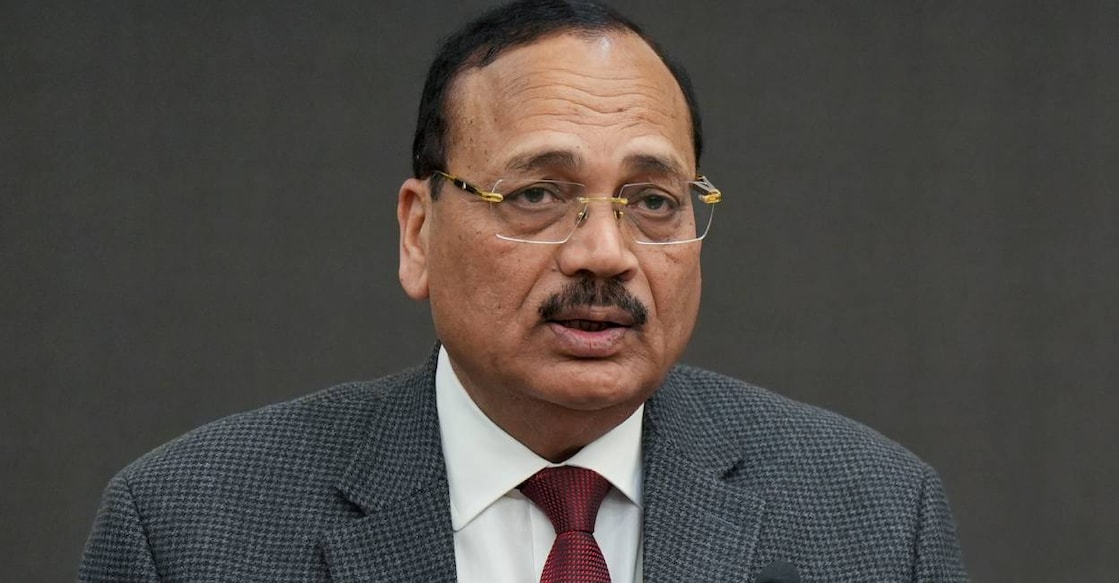
New Delhi: Justice Surya Kant was sworn in as the 53rd Chief Justice of India on Monday at Rashtrapati Bhavan, with President Droupadi Murmu administering the oath. His appointment was cleared on October 30. Justice Kant, who succeeds Justice B R Gavai, took the oath in Hindi in the name of God.
He will serve as CJI for nearly 15 months, demitting office on February 9, 2027, upon turning 65, PTI reported. The ceremony was attended by Vice President C P Radhakrishnan, Prime Minister Narendra Modi and other dignitaries.
Born on February 10, 1962, in Hisar, Haryana, Justice Kant rose from practising as a small-town lawyer to the helm of the judiciary. A postgraduate topper of Kurukshetra University (2011), he served as Chief Justice of the Himachal Pradesh High Court before being elevated to the Supreme Court.
During his tenure in the SC, Justice Kant was part of several landmark verdicts, including on the abrogation of Article 370, removing Jammu and Kashmir's special status, cases on free speech, citizenship, and the ongoing presidential reference on the powers of governors and presidents over state legislation. He was also on the bench that put the sedition law on hold and directed that no fresh FIRs be registered until the Centre completed its review.
Justice Kant pushed electoral transparency by compelling the Election Commission to disclose details of 65 lakh voters excluded from the Bihar rolls, and delivered a notable order reinstating an unlawfully removed woman sarpanch, while highlighting gender bias. He also ordered that one-third of seats in bar associations be reserved for women.
Among other significant interventions, he was part of the panel that set up a committee led by former justice Indu Malhotra to investigate the 2022 security breach during Prime Minister Narendra Modi’s Punjab visit. He upheld the One Rank, One Pension scheme and continues to hear cases on granting permanent commission to women in the armed forces.
Justice Kant also served on the seven-judge bench that overturned the 1967 AMU verdict, reopening the question of the university’s minority status. He was part of the Pegasus spyware case bench that appointed an expert panel and famously cautioned that the state cannot claim a “free pass” under the cover of national security.
 Add as a preferred source on Google