

Supreme Court orders nationwide CBI probe into digital arrest scams
Mail This Article


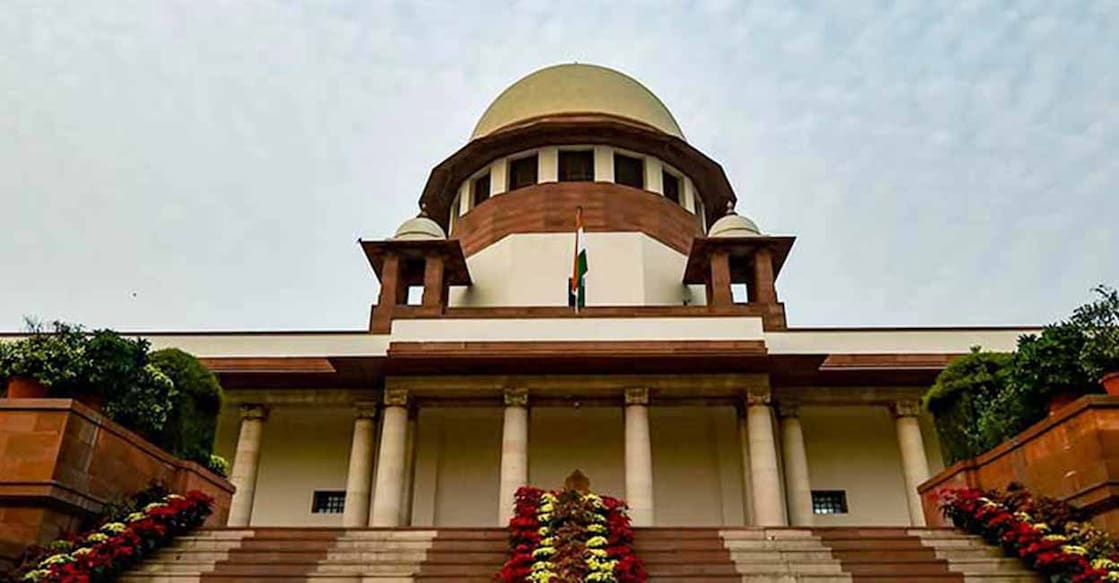
The Supreme Court on Monday directed the CBI to investigate cases involving digital arrest scams. A bench comprising Chief Justice Surya Kant and Justice Joymalya Bagchi issued the directive in a suo motu matter concerning digital arrests.
The bench observed that the scams require CBI's “immediate attention”. The court specified that the CBI should initially focus on cases directly linked to digital arrest scams, with other cybercrime matters potentially examined in later phases.
To empower the agency, the court granted the CBI authority to probe the involvement of bankers under the Prevention of Corruption Act, particularly in instances where bank accounts are created for digital arrest scams. The Reserve Bank of India was also impleaded and asked to provide insights on the AI and machine learning systems employed to detect fraudulent accounts.
The bench further instructed IT service providers to extend full cooperation to investigators and furnish content data when requested. States such as Punjab, Tamil Nadu, Uttarakhand, and Haryana were asked to provide consent for a nationwide investigation by the CBI.
Highlighting concerns over the “large and alarming” issuance of multiple SIM cards under the same name, the bench directed that a model protocol be drafted to curb telecom network misuse. It also called on all states and Union Territories to ensure the efficient functioning of regional cybercrime units and report any challenges to the court.
Additionally, the bench permitted intervenors and individuals assisting the court-appointed amicus to share materials directly via email. CJI Kant clarified that the current proceedings will concentrate on digital arrest scams, while other forms of cybercrime may be reviewed later based on their significance and necessity for intervention. The Union was asked to consider inputs from all relevant ministries, and the Department of Telecommunications was directed to be present at the next hearing.
(With Live Law Inputs)
 Add as a preferred source on Google