

KSEB suffers ₹500 crore loss from rooftop solar ‘banking’, vows relief for regular consumers
Mail This Article


Thiruvananthapuram: As discussions on the draft Renewable Energy Regulation 2025 progress, the Kerala State Electricity Board (KSEB) has announced that it will prioritise protecting ordinary electricity consumers from the financial burden created by the current solar banking system.
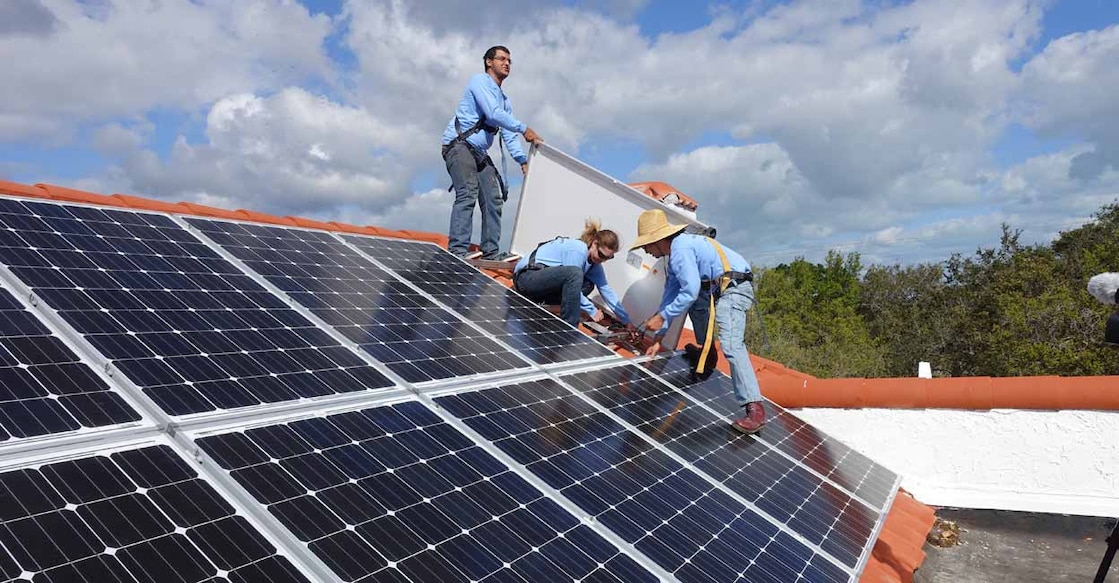
According to KSEB, a major issue lies in the mismatch between solar energy generation and consumption. While rooftop solar prosumers generate power during the day, they consume only 36% of it and send the remaining 64% back to the grid. Of this, around 45% is later withdrawn during evening peak hours, when solar generation is unavailable, using a system called ‘banking’. The remaining 19% is purchased by KSEB at the average power purchase cost (APPC).
This banking arrangement, KSEB says, is straining the system. Supplying banked power during evening peak hours, when market rates are high and power availability is limited, resulted in losses exceeding ₹500 crore in 2024–25. These losses are passed on to all of Kerala’s 1.3 crore electricity users, adding approximately 19 paise per unit to their bills.
KSEB warns that if rooftop solar systems above 3 KW continue to be installed without battery storage, the financial burden could increase significantly. Projections suggest that by 2034–35, this extra cost could rise to 39 paise per unit, placing an unfair burden on the vast majority of consumers who do not generate their own power.
Beyond cost, KSEB has flagged technical risks. In a state like Kerala, where daytime electricity demand is relatively low, excess solar power fed into the grid can cause voltage surges, potentially damaging household appliances. If this trend continues, the board may be forced to curb solar input during peak generation hours to maintain grid stability.
As of now, only about 2.5 lakh consumers, less than 2% of the state's total, are solar prosumers. Yet, the costs created by banking are being borne by the entire consumer base.
In light of these challenges, KSEB has reiterated its commitment to promoting renewable energy in a way that does not disadvantage ordinary users. The board says its approach to the Renewable Energy Regulation 2025 will aim for a fair and sustainable policy that supports clean energy while protecting consumers from avoidable financial and technical strain.
 Add as a preferred source on Google