

Smart City Thiruvananthapuram rejects police allegations on camera quality
Mail This Article


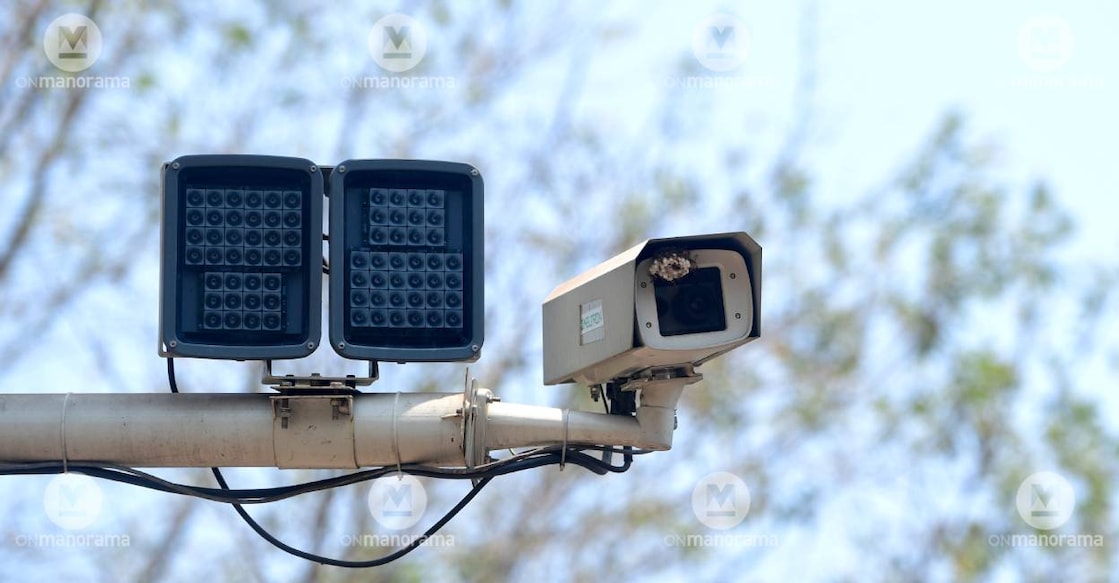
Thiruvananthapuram: Smart City Thiruvananthapuram Limited has dismissed allegations made by the city police that the surveillance cameras installed using Smart City funds to monitor traffic violations are of poor quality.
Clarifying its stance on the issue, the Smart City authority stated that the performance of the cameras depends on the data uploaded into their software systems. It is up to the police, they said, to exercise discretion and consider humanitarian grounds while issuing violation notices based on camera footage.
The agency, meanwhile, alo informed the City Corporation that 98% of the cameras were functioning satisfactorily, although it acknowledged that weather conditions like dust and rain could occasionally blur the visuals.
According to Smart City officials, the police are raising objections to these cameras mainly on two grounds. First, the cameras tend to flag vehicles that move forward just seconds after a red light is activated. Second, the camera software has been programmed to detect more than two individuals on a motorcycle. In some instances, even infants riding as a third passenger are counted, leading to violation notices for triple riding.
The police have been put on the defensive as a growing number of vehicle owners are contesting traffic violation notices issued based on these camera footages. Smart City officials have suggested that these issues could be resolved only through a software upgrade.
Earlier, the city police had submitted a letter to the Corporation, stating that the smart cameras were unable to accurately capture vehicle registration numbers. Even when numbers were detected, the police claimed there were frequent errors in identification.
The camera network, installed by a Chennai-based private company at a cost of ₹38 crore, is designed to detect a wide range of traffic violations across city streets.
BJP slams Smart City implementation
BJP state secretary V V Rajesh has criticised the implementation of the Smart City project, alleging that several components, including the surveillance system, were handled by local companies lacking adequate expertise and resources.
According to Rajesh, the camera network began to deteriorate within just three months of installation, due to the use of substandard equipment purchased at exorbitant costs. He also warned of potential technical issues with the underground cables used for the cameras, saying that any damage would require the roads to be dug up again for repairs.
“The Smart City project was implemented at a cost of Rs.1,000 crore. In the coming days, the public will come to know how much commission was pocketed by Corporation administrators and CPM leaders,” he said.
Rajesh also added that the Smart City agreement clearly stipulates that all equipment including underground cables, roadside cameras, and lighting systems—must undergo expert evaluation for quality assurance. “It’s doubtful whether any such evaluation was actually carried out,” he remarked.
 Add as a preferred source on Google