

Tapping disrupted by rain, rubber farmers in Kannur face crisis
Mail This Article


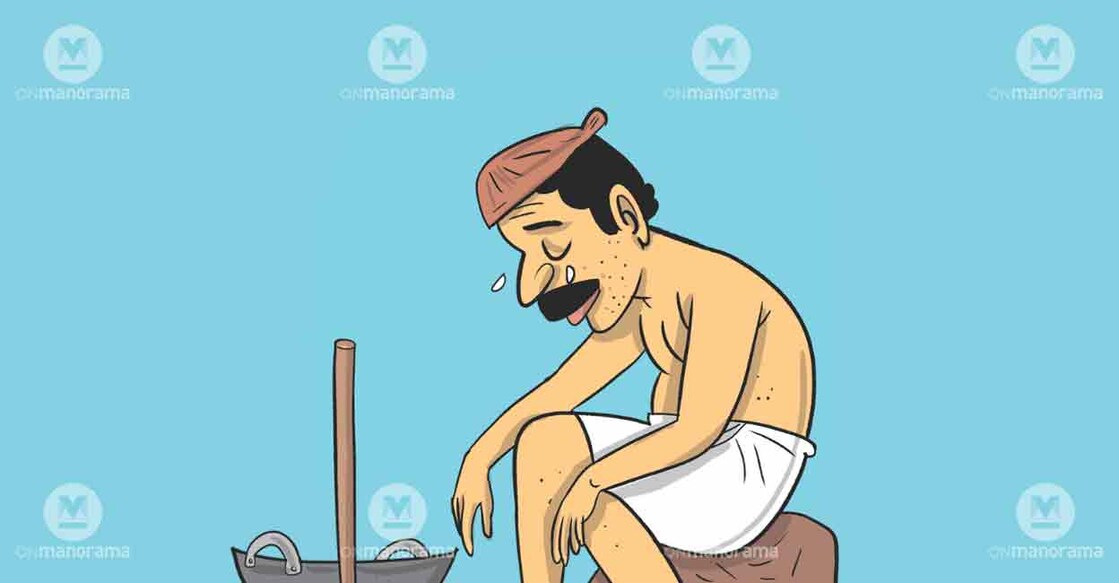
Peravur: Even as rubber farmers in high ranges face severe crises with continuous rainfall delaying tapping, leading to loss of income, the climate change-induced diseases are affecting rubber trees, further worsening their situation.
The government has attempted to maintain rubber prices between ₹180 and ₹185 over the past six months. While the base price is fixed at ₹180, incentives are provided only if prices fall below this threshold. Farmers, however, feel overlooked, as the government has not fulfilled its promise made five years ago to raise the base price to ₹250.
Tapping usually begins in September once the monsoon recedes. This year, however, relentless rains have prevented farmers from starting even by the end of October. Since May, tapping has been repeatedly disrupted, and except for a brief period when prices reached ₹211, farmers have seen minimal financial benefit. Meanwhile, the high wages of tapping workers and rising costs of fertilizers have deepened the crisis.
It costs ₹3 to tap each rubber tree, which amounts to about ₹425 per tree annually in wages alone. A rubber tree can typically be tapped up to 120 days a year, but farmers fear this target may not be achievable in the current season. While a farmer earns between ₹850 and ₹1,000 per tree, high expenses including wages, chemical fertilizers, pesticides and general plantation maintenance make even basic tapping financially unviable.
Adding to the woes is a shortage of skilled tapping workers, coupled with widespread disease outbreaks in plantations. Continuous leaf shedding, along with diseases such as brown bast, leaf spot, and root rot, are increasingly affecting rubber cultivation. Trees have been reported to develop brown bast even when tapped only twice a week and no effective solution has been identified.
Even if the diseases are controlled, the high cost of maintaining and cleaning plantations remains a burden. Farmers have demanded deployment of workforce under the Mahatma Gandhi National Rural Employment Guarantee Programme (MGNREGP) to assist in these tasks, but the demand remains unaddressed. High attrition among tapping workers and a lack of new entrants have further aggravated the situation.
Adding to their woes, a recent increase in land tax has placed additional financial pressure on farmers. Legal hurdles and strict labour laws have made it difficult to fell and sell trees, even in plantations that have reached the end of their productive cycle, according to a farmer and an office bearer of the Rubber Farmers’ Society
 Add as a preferred source on Google