

Kerala set to lose ₹1,600 crore annually under new rural jobs law: Minister MB Rajesh
Mail This Article


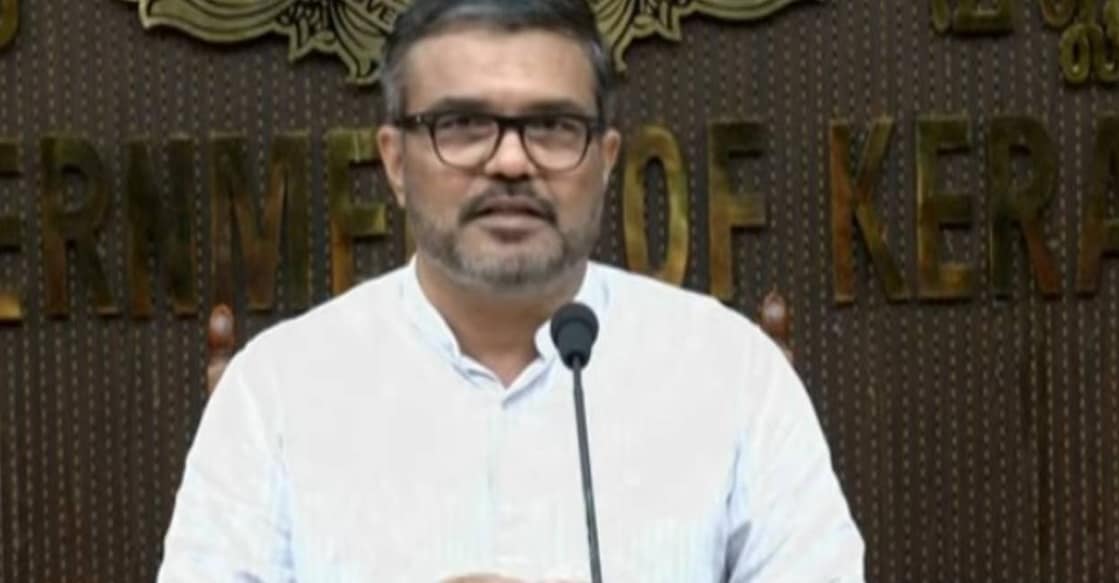
Thiruvananthapuram: Kerala could lose nearly ₹1,600 crore annually if the Union government’s proposed overhaul of the Mahatma Gandhi National Rural Employment Guarantee Scheme (MGNREGS) is implemented, Local Self-Government Minister MB Rajesh warned on Tuesday, calling it a “declaration of war against ordinary citizens.”
Rajesh said the scheme, introduced during the first UPA government under sustained pressure from the Left, was designed as a demand-driven, rights-based programme. “Systematic attempts to weaken it began during the second UPA regime and intensified after the BJP came to power. Wages were delayed, arrears allowed to pile up, and workdays reduced to discourage workers. The present Bill is the final step to dismantle the scheme altogether,” he added.
The new Bill, he said, removes the legal right to work, replacing it with employment linked to Central targets and labour budgets. “The Centre is washing its hands of the responsibility to provide work,” Rajesh alleged. While the Bill promises to increase workdays to 125, this would apply only to areas notified by the Centre, not across all panchayats, making the claim largely meaningless.
A major concern, he said, is the shift in the funding pattern to 60:40, which would require states to bear 40 per cent of total costs. For Kerala, where MGNREGS expenditure averages ₹4,000 crore annually, this would add a burden of about ₹1,600 crore. States would also bear the full cost of unemployment allowances and compensation for delayed wages.
Rajesh highlighted Kerala’s strong record under MGNREGS. In 2024–25, the state generated 9.07 crore person-days, spending over ₹4,011 crore and providing 100 days of work to more than 5.19 lakh families, securing second place nationally. In the current financial year, Kerala has already exceeded its approved labour budget of 5 crore person-days by generating 5.53 crore days.
“Earlier, the central law protected states that generated work based on demand. The new Bill punishes efficiency by forcing states to pay for excess work,” he said.
The Minister also criticised reductions in Central allocations, Aadhaar-based verification challenges in tribal and remote areas, restrictions on work during agricultural seasons, and provisions allowing the Centre to block funds on preliminary complaints. He condemned the removal of Mahatma Gandhi’s name from the scheme, calling it symbolic of the Centre’s intent to erase the programme’s original spirit.
“The employment guarantee scheme prevented starvation during the Covid-19 crisis and protected millions of rural families. The Centre must withdraw this Bill,” Rajesh said, warning that its implementation would dismantle one of India’s most critical social security programmes.
 Add as a preferred source on Google