

Russia-Ukraine war: Diplomatic efforts continue, Trump-Putin meeeting not cancelled
Mail This Article


Washington: Russian President Vladimir Putin's special envoy for investment and economic cooperation said on Friday that he believes that Russia, the United States and Ukraine are close to a diplomatic solution to end Russia's war on Ukraine.
Kirill Dmitriev arrived in Washington for talks with US officials. He told the media that the meeting between US President Donald Trump and Putin had not been cancelled as Trump had described it, but merely postponed to a later date.
Due to Russia's rejection of an immediate ceasefire, the meeting that was scheduled for tuesday was put on hold. Later, Trump claimed he had cancelled the meeting due to a lack of progress in diplomatic efforts to end the war and a sense that the timing was off.
However, Dmitriev said on Friday, "I believe Russia and the U.S. and Ukraine are actually quite close to a diplomatic solution." But he did not clarify what that entails.
European nations are working with Ukraine on a new proposal for a ceasefire in the war along current battle lines, according to European diplomats.
"It's a big move by President Zelenskiy to already acknowledge that it's about battle lines," Dmitriev said. "You know, his previous position was that Russia should leave completely - so actually, I think we are reasonably close to a diplomatic solution that can be worked out."
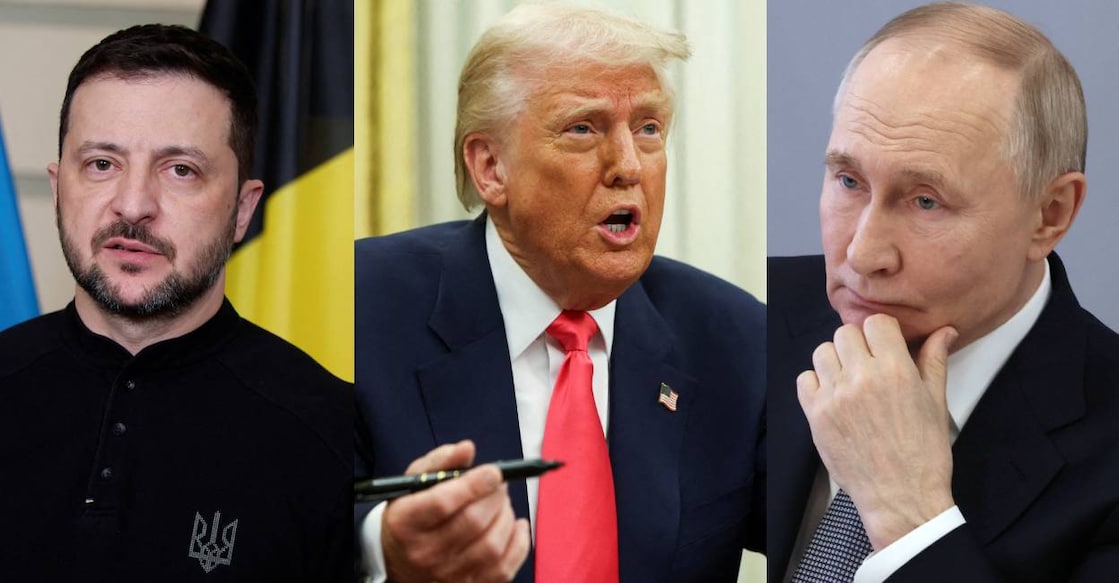
Earlier this week, Ukrainian President Volodymyr Zelensky said that Trump's call for Ukraine and Russia to stop at the current frontlines was a "good compromise", but he said that he doubted whether Putin would support it.
While Trump had announced that he and Putin would meet soon in Hungary to try to end the war, Putin was unwilling to consider concessions. He stood by Russia's long demand that Ukraine agree to cede more territory before any ceasefire.
Dmitriev's visit sets against the backdrop of newly announced US sanctions on two of Russia's biggest oil companies - a move aimed at pressing Putin to end the war. However, he predicts that the move would backfire, leading to higher gasoline prices at American gas stations.
 Add as a preferred source on Google