
Iran protests intensify amid call by exiled Shah’s son, internet shut down
Mail This Article


Tehran: Iran experienced a nationwide internet blackout on Thursday as protests over economic hardships continued across the country, internet monitoring group NetBlocks said. No further details on the outage were immediately available.
The expanding protests have intensified pressure on Iran’s civilian government led by President Masoud Pezeshkian and Supreme Leader Ayatollah Ali Khamenei. Witnesses in Tehran and the major cities of Mashhad and Isfahan told Reuters that demonstrators again took to the streets, chanting slogans against the Islamic Republic’s clerical leadership.
The latest round of protests reportedly followed a call by Iran’s exiled crown prince, Reza Pahlavi, for mass demonstrations. In a video message posted on X on Wednesday, Pahlavi, the son of Iran’s last Shah who was overthrown in the 1979 Islamic Revolution, urged people to continue protesting. Social media posts, which Reuters could not independently verify, claimed demonstrators in several cities and towns raised pro-Pahlavi slogans.
Iranian state media, however, said cities across the country remained calm.
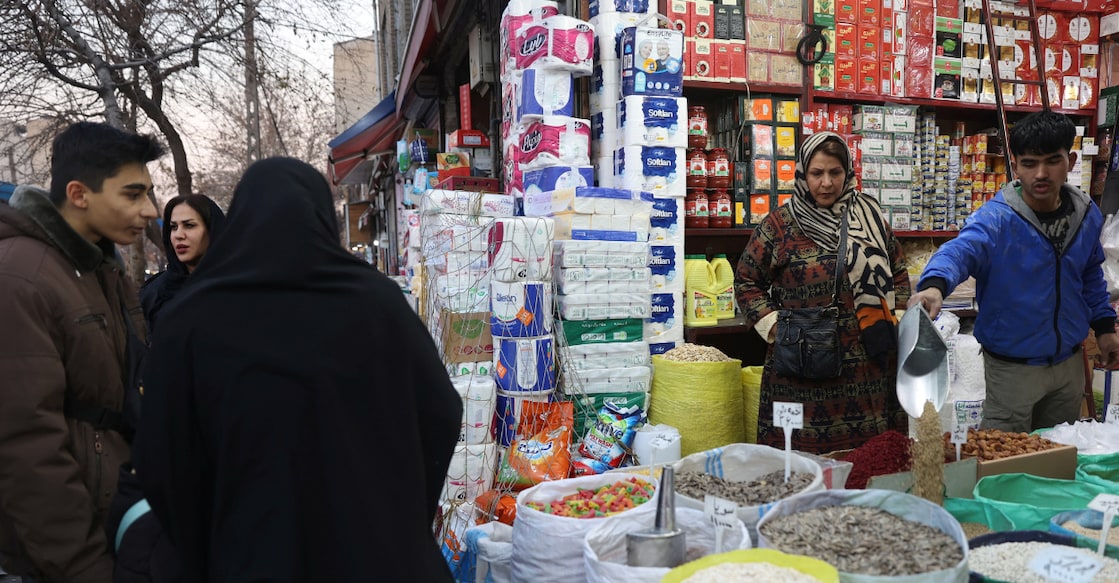
The current unrest, described as the largest wave of dissent in three years, began on December 28 at Tehran’s Grand Bazaar, where shopkeepers protested the sharp fall of the rial. The demonstrations have since spread nationwide amid growing anger over soaring inflation, economic mismanagement, Western sanctions, and restrictions on political and social freedoms.
At least 39 people have been killed and more than 2,260 detained during the protests, according to the US-based Human Rights Activists News Agency.
Earlier on Thursday, President Pezeshkian warned domestic suppliers against hoarding or overpricing goods. “People should not feel any shortage in terms of supply and distribution,” he was quoted as saying by state media, urging officials to ensure adequate availability of goods and strict price monitoring.
Iran also remains under international pressure, with US President Donald Trump threatening to support protesters if security forces open fire on them, seven months after Israeli and US forces carried out strikes on Iranian nuclear sites.
(With inputs from Reuters, AFP.)
 Add as a preferred source on Google