

Longest train in India: Travels through nine states, stops at more than 50 stations
Mail This Article


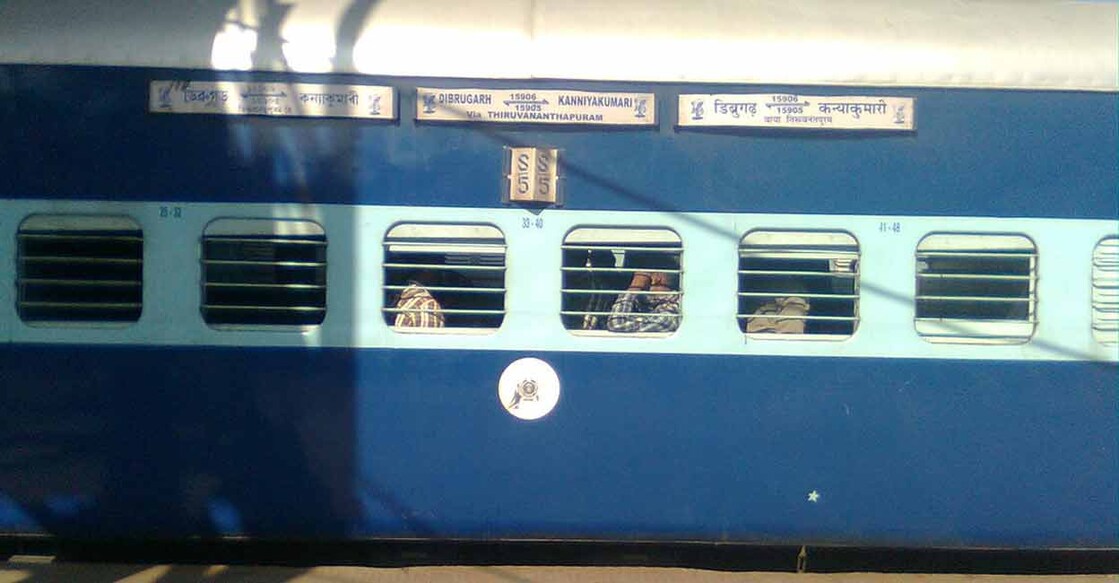
What is India's longest train? And are you a rail enthusiast who wonders what you get to experience while travelling on it? For those who wish to enjoy the hum of the engine and the sway of the carriage in the train with the longest route, here's the name - Vivek Express. The train, launched in 2011, travels from Kanyakumari in Tamil Nadu to Dibrugarh in Assam, covering more than 4,000 km in 4 days. It travels through nine states and stops at more than 50 stations. What more does it offer?
Unique experience
The train that crosses India’s heartland offers unique sights and an exceptional travelling experience for the passengers. It touches Kerala's Thiruvananthapuram and Kollam, around seven spots in Tamil Nadu, including Madurai and Tirunelveli, Andhra Pradesh's Visakhapatnam and Vijayawada, multiple stops in Odisha, West Bengal, Nagaland and Assam. More than a mere train journey, Vivek Express offers an incredible cultural experience. The places that it touches and the passengers boarding from these stations are culturally diverse. So, many love to travel on this train to enjoy the unique experience.

Honouring Swamy Vivekanand
India’s longest train was named the Vivek Express in honour of Swami Vivekananda on his 150th birth anniversary. The other three Vivek Express trains are the Dwaraka – Thuthukudi, Bandra Terminus (Mumbai) – Jammu Tawi and Sandragachi (Howrah) – Mangalapuram Central (22851/22852). Vivek Express is a daily service that transports millions of travellers across India.
 Add as a preferred source on Google