

This is the best movie of 21st century according to 500 filmmakers and critics
Mail This Article
What makes a film truly stand out in today’s world? Is it originality? The emotional punch it delivers? The way it shifts culture or redefines how stories are told? As cinema continues to evolve, so do our ideas of what greatness looks like on screen.
In a recent global poll led by The New York Times, more than 500 filmmakers, critics, and artists from around the world voted to decide which films of this century deserve to be remembered. The list that came out of it isn’t just a celebration of beloved titles; it’s a reflection of where cinema has gone in the last 25 years, across languages, borders, and genres.
While several familiar names made the cut, only one film claimed the top spot, a story that didn’t just win awards, but changed the way the world looked at movies.
At number 5 is Barry Jenkins’ ‘Moonlight’. Quiet, lyrical, and devastatingly honest, it tells the story of a young Black boy growing up in Miami, unfolding in three chapters of his life. With barely a raised voice, ‘Moonlight’ moved audiences everywhere — and made history as the first LGBTQ-themed film with an all-Black cast to win Best Picture at the Oscars.
Coming in at No. 4 is Wong Kar-wai’s ‘In the Mood for Love’. No other film has captured yearning quite like this one. Set in 1960s Hong Kong, it follows two neighbours who suspect their spouses are having an affair. What follows is a dance of restraint and stolen glances, soaked in mood and melancholy. ‘In the Mood for Love’ is less about what’s said and more about what’s held back — and that’s exactly what makes it unforgettable.
At No. 3 is Paul Thomas Anderson’s ‘There Will Be Blood’, a dark and thunderous portrait of greed and power in America’s early oil boom. With Daniel Day-Lewis delivering a towering performance as the ruthless Daniel Plainview, the film is both epic and unnerving, a character study that feels like a historical earthquake.
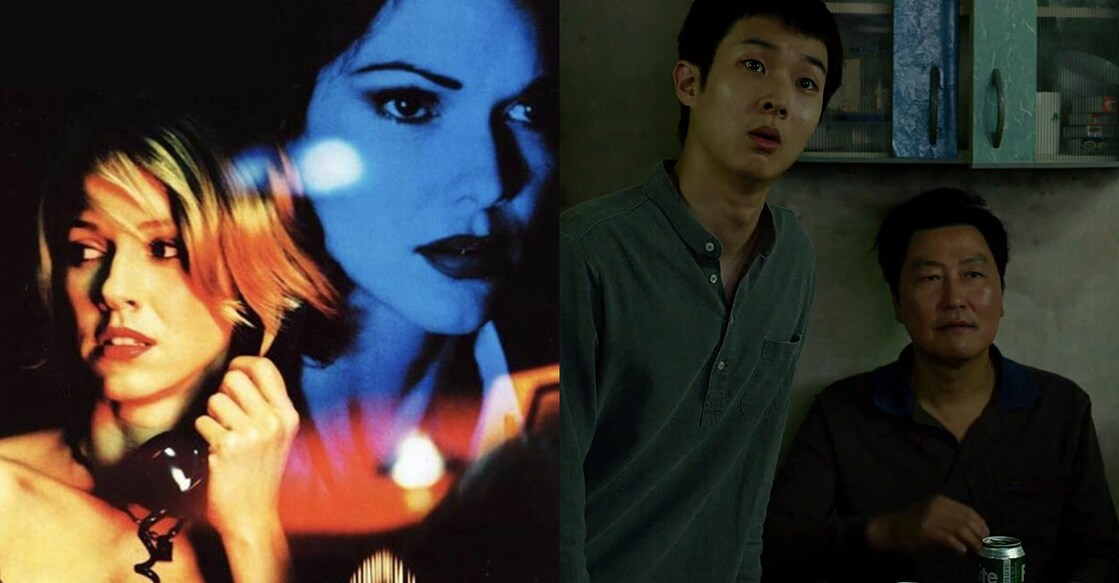
In second place is David Lynch’s ‘Mulholland Drive’, a surreal plunge into the dreamlike and often nightmarish underbelly of Hollywood. It’s a film that refuses to explain itself, but instead invites you to experience it — part mystery, part hallucination. ‘Mulholland Drive’ doesn’t answer questions. It lingers in your mind, daring you to make sense of it — or not.
And finally, at No. 1, the film that didn’t just make an impact; it created a global shift.
Bong Joon-ho’s ‘Parasite’ is many things at once: a dark comedy, a social thriller, a sharp-eyed satire, and a tragedy. What begins as a clever story about a poor family infiltrating a rich household slowly turns into a brutal commentary on inequality, class, and the invisible structures that divide people. It’s a story deeply rooted in South Korea, but instantly understood everywhere.
When ‘Parasite’ won the Oscar for Best Picture, the first non-English-language film to do so, it wasn’t just a win for Bong Joon-ho or Korean cinema. It was a breakthrough moment for global storytelling. It proved that great cinema doesn’t need subtitles to translate its power.
That’s why ‘Parasite’ topped the list. Not just for its brilliance on screen, but for the space it carved out — a moment where cinema felt thrillingly borderless.
And maybe that’s what the greatest film of the century really does: not just tell a story, but connect us across language, culture, and time.
 Add as a preferred source on Google