

After VFX backlash, ‘Ramayana’ producer promises major fixes
Mail This Article


Producer Namit Malhotra has addressed the growing criticism surrounding the visual effects of his ambitious mythological project Ramayana, following a wave of online reactions to its early promotional material.
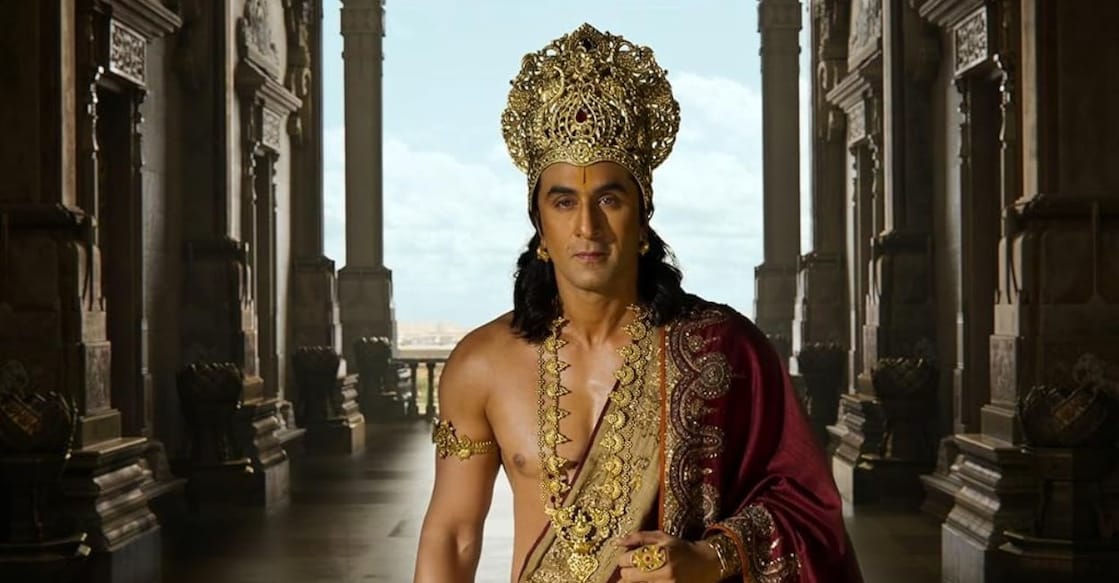
The controversy erupted after the first glimpse of Ranbir Kapoor as Lord Ram surfaced online, with several viewers calling out what they perceived as underwhelming VFX in key sequences. The backlash quickly gathered momentum on social media, with some users even questioning the scale of the film’s reported budget and speculating about the use of AI in its visual design.
Responding to the chatter, Malhotra shared a note on social media, striking a measured and reflective tone. He described the response to the film as “overwhelming” and “humbling,” while acknowledging the responsibility that comes with retelling a story as culturally significant as the Ramayana. Emphasising the emotional weight the narrative carries, he noted that the team is approaching the project with deep care and respect.
Without directly addressing specific criticisms, the producer assured audiences that the team is paying close attention to feedback. He highlighted the scale of the effort behind the film, pointing out that thousands of artists and collaborators are involved, all working towards refining the final output. According to him, the team remains committed to improving every aspect of the film, including its visual effects.
The film’s VFX is being handled by DNEG, the Oscar-winning studio closely associated with Malhotra. The project itself is mounted on a massive scale, bringing together a star-studded cast that includes Sai Pallavi, Yash, Sunny Deol, and Ravi Dubey.
Directed by Nitesh Tiwari, the film also stands out for its music collaboration between A. R. Rahman and Hans Zimmer, an unusual cross-industry pairing that has already sparked curiosity.
With its release slated for later this year, Ramayana remains one of the most closely watched projects in Indian cinema. The coming months will likely determine whether the team’s efforts to course-correct can match the scale of expectations surrounding it.
 Add as a preferred source on Google