

Soorya Krishnamoorthy, cultural pioneer and Soorya Festival founder, dies at 78
Mail This Article


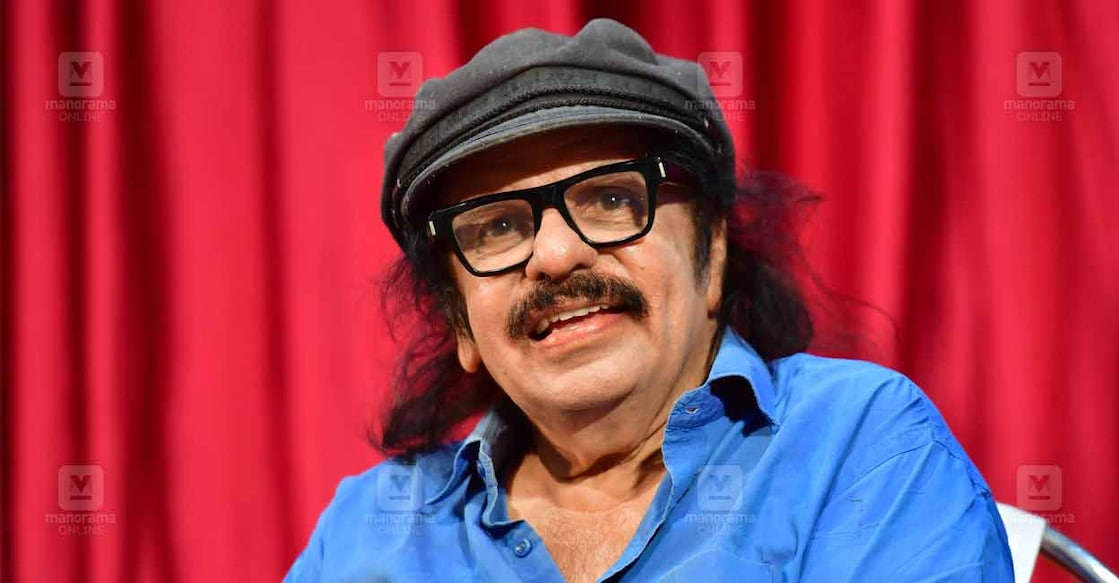
Thiruvananthapuram: Soorya Krishnamoorthy, the legendary cultural activist, veteran theatre director, and former chairman of the Kerala Sangeetha Nataka Akademi, passed away on Wednesday evening. He was 78. He had been undergoing treatment for an illness and was in critical condition for the past two weeks.
A man who lived and breathed art, Krishnamoorthy was the mastermind behind the annual Soorya Festival, an iconic event held every October that grew into one of the longest and most celebrated cultural festivals in the world. Originally a rocket engineer, he resigned from his position at the Indian Space Research Organisation (ISRO) to dedicate his life entirely to the preservation and promotion of Indian classical arts and theatre.
Recognising his massive contribution to Indian culture, he was honoured with several accolades, including the Kerala Prabha—one of the highest civilian honours awarded by the Government of Kerala—the Kalaimamani title from the Tamil Nadu government, and a lifetime achievement award from the Puducherry government.
From rocket science to the stage
Born on 11 April 1951 in Kottayam as Nataraja Krishnamoorthy, he was the son of T Nataraja Pillai, who served as the Chief Engineer of Kerala, and C Saraswathi Amma, a dedicated Gandhi Peace Foundation activist. He completed his schooling at the Model School in Thiruvananthapuram, went on to study at the Arts College, and eventually earned his mechanical engineering degree in 1971 from the TKM College of Engineering in Kollam. In 1972, he joined ISRO, but his true calling lay elsewhere. In 1999, he took voluntary retirement to focus exclusively on cultural administration, playwriting, and direction.
Pioneering theatre and cultural events
Krishnamoorthy transformed the performing arts scene in South India. He introduced the first-ever light and sound show in Malayalam and pioneered the innovative 'Theatre of Freedom' performance style. Through his cultural society, Soorya, he organised massive national and international art programmes, inviting some of the finest classical dancers, musicians, and stage actors to showcase their talent in Kerala. It was also Krishnamoorthy who conceptualised the widely popular 'Tourism Week' celebrations for the Kerala Tourism Department.
Over the years, he directed several landmark plays including Melvilasam, Pulari, Thudakkam, Thudarcha, Neelavelicham, Avatharam, and Sthree Parvam. In 1996, he became the youngest recipient of the President of India's award for Best Stage Craft and Direction, and in 1994, he was named the youngest Fellow of the Kerala Sangeetha Nataka Akademi. He was also selected as the Limca Book of Records' Man of the Year in 2003.
A legacy of leadership
Throughout his career, Krishnamoorthy served as a member of several elite bodies, including national and state film award juries, the Indian Panorama selection committee, the NFDC script committee, the Doordarshan advisory council, and the expert committee of the Union Ministry of Culture. He was a three-time director of the Kerala State Film Development Corporation, the vice-chairman of the Kerala Chalachitra Academy, and the board of studies chairman for the Fine Arts department at Calicut University.
He is survived by his wife, Raji, and children, Seetha (a civil servant) and Lakshmanan, and son-in-law, Chandan Kumar.
