

Highs and lows of ‘Until Dawn’: A horror that both hooks and frustrates

Mail This Article


Hollywood has long been obsessed with throwing a group of young people into an isolated, haunted setting and watching chaos unfold. From 'The Cabin in the Woods' to 'Evil Dead', this trope has been revisited so often that it risks feeling stale.
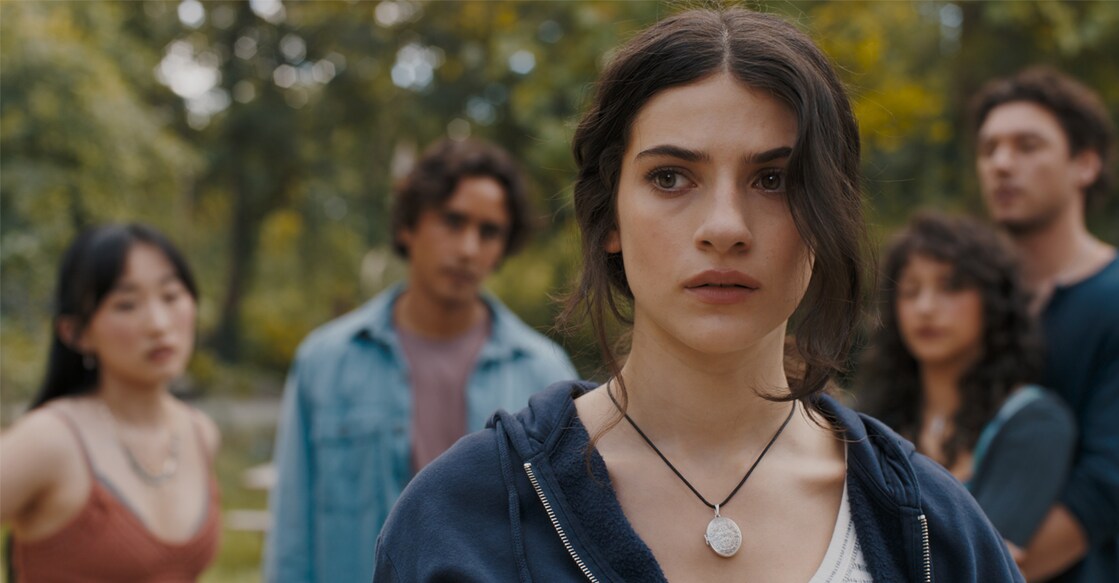
'Until Dawn', now streaming on Netflix, picks up that familiar formula but injects an intriguing spin. A group of friends, Clover, Max, Nina, Megan, and Abe, arrive in the remote Glore Valley searching for Clover’s missing sister, Melanie. They take shelter in an abandoned visitor centre during a storm, only to trigger a sinister time loop curse: each night ends with their gruesome deaths, and the next night starts all over again.
The film plays with familiar ingredients but adds enough new elements to spark debate. So, what exactly does 'Until Dawn' get right, and where does it stumble? Let’s break it down.
What works in 'Until Dawn'
Tension that never lets go
Right from the opening act, the film creates an atmosphere thick with dread. The visitor centre itself feels alive; its shadowy corridors and forgotten artefacts make every scene feel unsafe. Each loop changes the circumstances of their deaths, keeping the audience on edge. Is it a haunting? A human predator? Something else? Those lingering questions drive the film forward.
Inventive kills and visuals
The movie delivers some truly creative deaths. One moment, a masked figure stalks them with a bizarre weapon; the next, a character explodes without warning. The gore effects and practical makeup are striking and add texture to the film’s visual palette.
Performances that ground the chaos
Ella Rubin shines as Clover, giving a restrained, authentic performance that anchors the story. Ji Young Yoo as Megan is another standout. She begins as someone you might dismiss—a wannabe psychic—but evolves into one of the film’s most engaging and enjoyable characters.
The time loop twist
Instead of relying solely on the haunted house formula, the time loop structure keeps things fresh. Watching the group adapt and search for answers through repeated nights adds a puzzle like layer that keeps you invested.
What doesn’t work
Thin emotional connection
The film rarely pauses long enough to let us connect with its characters beyond their surface traits. When they die, you’re startled, but you don’t necessarily feel their loss. That weakens the stakes.
An explanation that feels rushed
While there is a reason given for the curse, it never feels fully developed. The lore behind Glore Valley is only skimmed, leaving several questions unanswered.
A foundation that feels too familiar
Despite the time loop device, the core premise- teens trapped in a creepy location and hunted—remains familiar territory. Horror fans may feel a sense of déjà vu throughout.
'Until Dawn' doesn’t reinvent horror, but it makes the most of its setting and premise. It delivers tension that keeps you watching, creative kills that surprise, and performances that occasionally elevate the material. Yet, it stops short of leaving a deep impression, largely because its characters and mythology aren’t as fleshed out as they could be.
 Add as a preferred source on Google