

Think you can never eat too many fruits? Think again
Mail This Article


We all know fruits are good. They sit right at the top of every healthy eating list. Doctors say, “Have fruits daily.” Nutritionists say the same. Markets overflow with mangoes, apples, bananas, papayas, guavas, grapes, and all that good stuff. But here’s the catch: even the healthiest food can turn tricky when you don’t know where to stop.
How many fruits a day is ideal
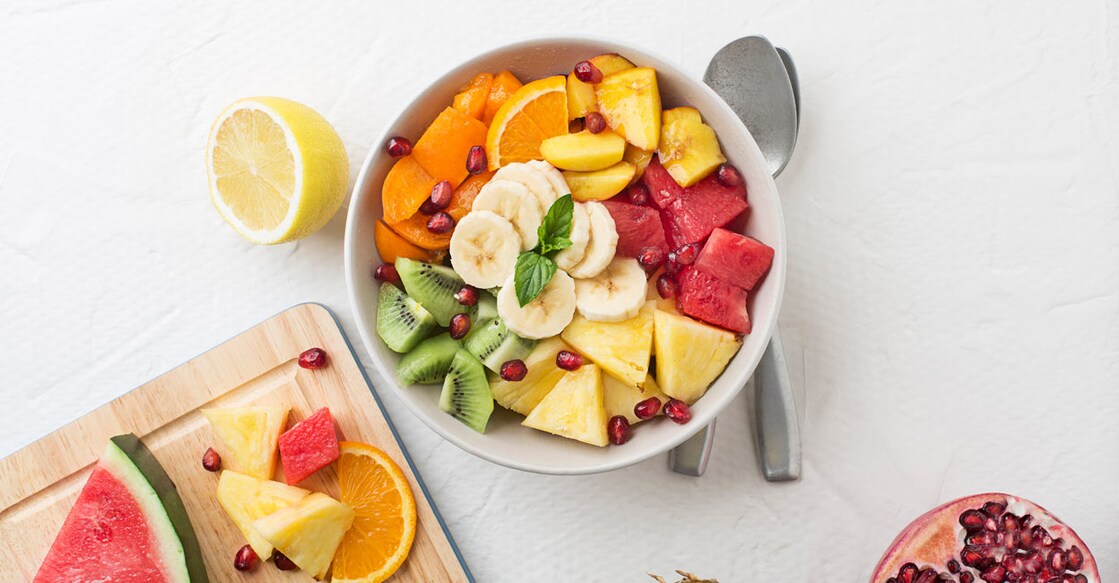
According to the US Department of Agriculture (USDA) and the World Health Organization (WHO), a healthy adult can safely eat about 1½ to 2 cups of fruit a day. That’s roughly the size of two medium apples or oranges. Enough to get your vitamins and antioxidants, not enough to overload your system with natural sugars.
The sugar hiding in your fruit bowl
Every fruit comes with fructose, a natural sugar that gives it sweetness. But too much fructose can have side effects: weight gain, high blood sugar, fatty liver, even tooth decay. Studies, including one in the American Journal of Clinical Nutrition, have found that high fructose intake may raise triglycerides and increase heart disease risk.
Excess sugar can also interfere with the absorption of vitamin B12, calcium, vitamin D, and omega-3s.

When fibre backfires
We love fruits for their fibre, and rightly so. But too much of it isn’t kind to your stomach. Overdoing fruits can cause bloating, gas, or even nutrient imbalance, especially if your diet already includes a lot of fibre-rich foods. Balance, as always, is the key.
If you have diabetes, pick your fruits wisely
- If you have diabetes or prediabetes, it’s better to go for fruits with a low glycaemic index (GI). These raise blood sugar slowly.
- Safe bets include strawberries, blueberries, raspberries, cherries, apples, pears, and oranges.
- Among vegetables, leafy greens, cucumber, peppers, broccoli, and cauliflower are great choices that do not cause quick sugar spikes.
When and how to eat them
- Eat fruits after a meal that includes protein or healthy fats. This slows down how fast your body absorbs sugar and keeps energy levels steady.
- With dry fruits, portion control is everything. They may be small, but they are high in calories and sugar, and it’s very easy to overeat.
- And if you think fruit juice is just fruit in a glass, think again. Once you blend and strain them, most of the fibre is gone, leaving behind sugar that shoots up your blood glucose faster than you’d think.
Eat your fruits whole whenever possible, your body will thank you.
 Add as a preferred source on Google