

No more wilted, pesticide-laden coriander leaves. Try this African cousin instead
Mail This Article


If you’ve ever worried about what’s hiding on those bright green coriander leaves from the market, you’re not alone. Most farm-grown dhania is heavily sprayed to keep it bug-free and shelf-ready. The solution could be growing your own — and there’s a hardy little herb made for exactly that. Meet African coriander, the heat-loving, pest-resistant cousin of coriander that grows easily at home, minus the chemical fuss.
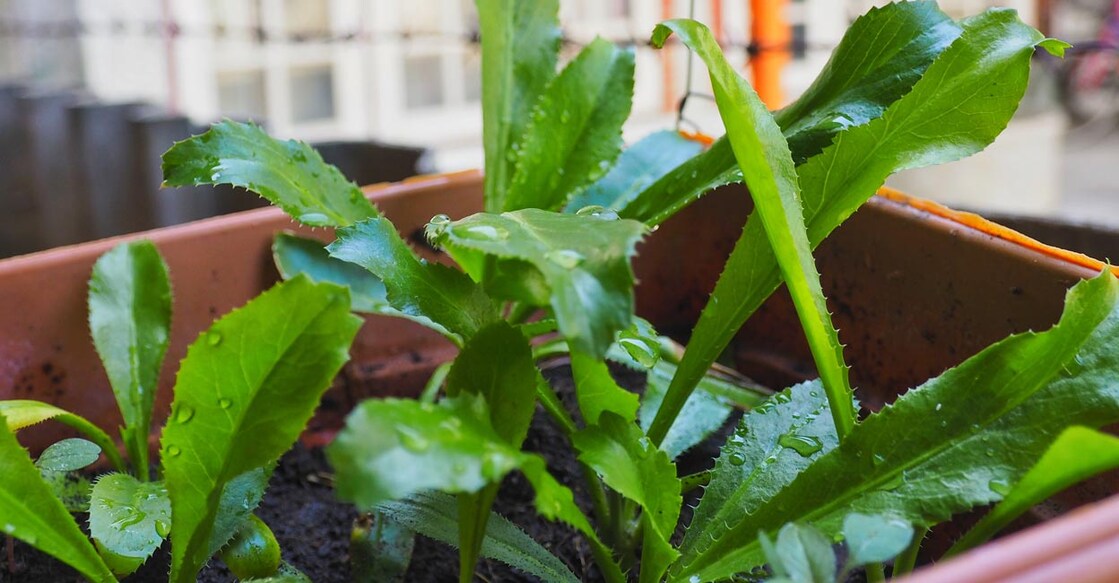
African coriander, also known as culantro or ban dhania, is a strong, fragrant leaf that tastes like coriander turned up a notch. It’s popular in parts of the Caribbean, Southeast Asia and Northeast India. It loves the same hot, humid weather that makes coriander wilt. Once it takes root in your balcony pot, it grows steadily for months and rarely needs pest control. The leaves are tougher, the aroma richer, and best of all, you can skip the pesticides entirely.

Why it’s the smarter swap
- Naturally pest-resistant. Its strong scent keeps most insects away, so no chemical sprays needed.
- Thrives in Indian weather. It loves heat and humidity, perfect for Kerala-style terraces or balconies.
- Fresh and safe. You pick what you eat. No hidden residue, no overnight wilt.
- More flavour, less waste. The bold taste means you use fewer leaves and they stay fresh longer.
Grow it once, use it for months
Start with a pot, some compost-rich soil and partial sunlight. Sow the seeds or plant a sapling, water regularly and pluck outer leaves as you need them. The plant keeps producing new ones, giving you a steady supply of fresh, pesticide-free greens through the year.
Cooking with African coriander
The flavour is familiar yet stronger. Use a few chopped leaves in chutneys, curries or rasam. Unlike coriander, it holds its aroma even after cooking, so it’s perfect for hot dishes. Think of it as a bold twist on your everyday dhania — with the comfort of knowing it’s completely clean.
 Add as a preferred source on Google