

Even a drop of honey is too risky for your baby: Doctor gives reasons
Mail This Article


In 2017, the death of a six-month-old infant in Adachi, Tokyo, after consuming baby food mixed with honey, triggered widespread concern across Japan. Medical investigations later confirmed that the cause was Infant Botulism, a potentially fatal illness caused by bacteria that may be present in honey.
In Kerala, it has long been customary to give newborns small quantities of honey mixed with vyambu (sweet flag). Some families also rub a gold ring and blend the residue with honey before offering it to the baby. Many of us may have witnessed this practice, and some may even have followed it. Experts now say that this practice can put the baby's health at risk. Dr Suresh C Pillai of Atlantic Technological University, Ireland, explains the reasons.
When can infants have honey
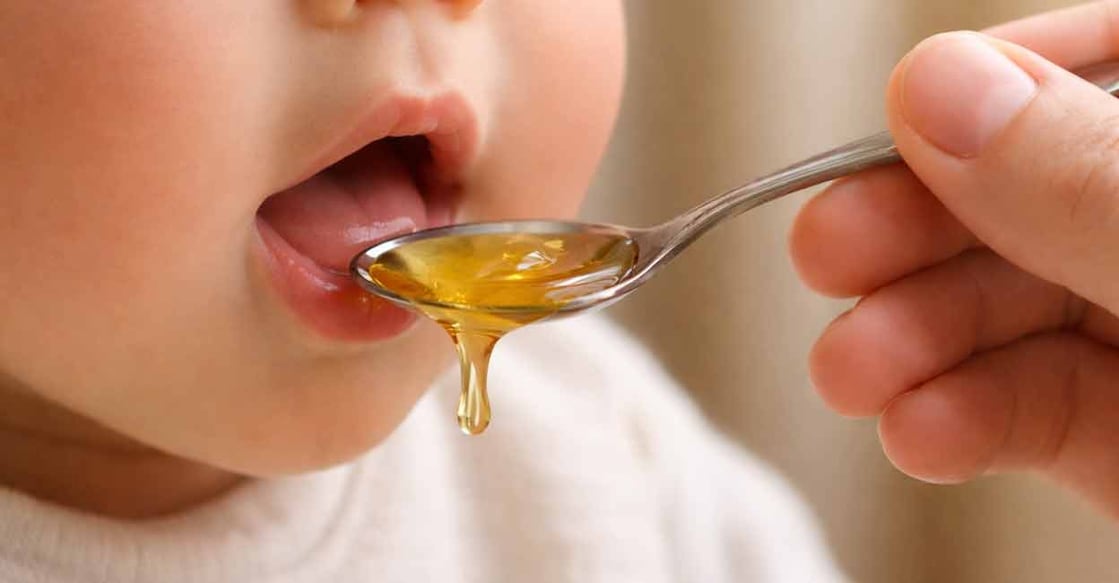
While honey is indeed natural and is often associated with health benefits, it is extremely important to understand that infants should never be given honey until they are one year old, not even a single drop.

This is because there is a high risk that the honey may contain Clostridium botulinum, the bacterium responsible for Infant Botulism. These bacteria can form highly resistant spores with thick protective walls, allowing them to survive in honey for prolonged periods and endure harsh conditions. When these spores enter an infant’s digestive system, they can become active and begin to multiply.
The bacteria, which thrive in oxygen-free environments, can produce botulinum toxin, a neurotoxin that interferes with the nervous system. Even minute quantities of this toxin can lead to flaccid paralysis, a severe neurological condition. Recognising this risk, authorities such as the US Food and Drug Administration and the Food Standards Agency have issued strict guidance stating that no form of honey should be given to children under one year of age.

Botulism in adults
Why does botulism usually not occur when adults consume honey? The reason lies in the digestive system's maturity. In infants, the beneficial gut bacteria are not yet fully developed, allowing Clostridium botulinum to grow and produce toxins. In contrast, the intestines of individuals over 1 year of age harbour beneficial bacteria that prevent this organism from multiplying. Hence, they can consume honey.
Certain risky circumstances
Botulism can still occur in adults under certain circumstances. It commonly develops after consuming food containing preformed botulinum toxin. Improperly preserved or spoiled canned foods have been responsible for such poisoning in some cases. The symptoms of botulinum toxin exposure also differ between adults and infants.
International cases
Last year, in Italy, foodborne botulinum poisoning led to the death of an adult and left nine others hospitalised with severe symptoms. The toxin has also been misused in the past as a biological weapon by extremist groups.
