

Is the wax on your apple safe to eat? How to spot adulterated fruits and clean them properly
Mail This Article


Social media is frequently flooded with alarming and contradictory claims about food safety, leaving consumers confused about what is genuinely safe to eat. In an era where food choices are closely tied to health and lifestyle, these viral claims often cause unnecessary anxiety. Understanding the facts behind common fruit treatments can help you make informed and safer choices for your family.
Is the wax coating on apples safe?
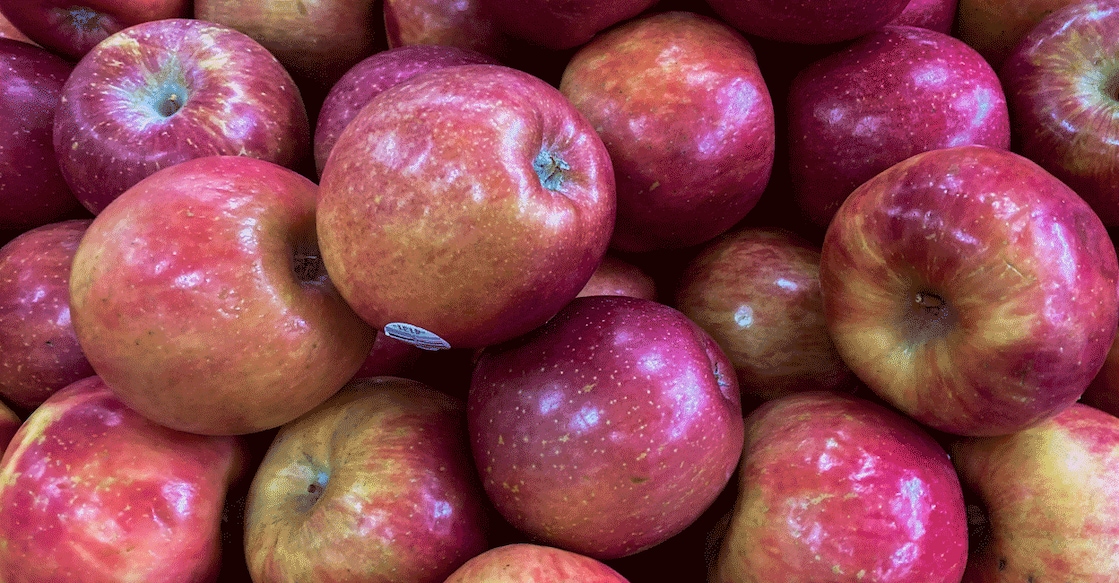
Apples naturally produce a thin, protective layer of wax that prevents moisture loss and slows decay. However, because this natural coating degrades after harvest, edible wax coatings are often applied to prolong shelf life. The Food Safety and Standards Authority of India (FSSAI) permits specific food-grade substances, including carnauba wax (derived from Brazilian palm trees), shellac (secreted by lac insects), and beeswax. These approved coatings are completely safe to consume and do not require peeling. However, non-food petroleum waxes like paraffin are sometimes used illegally. You can check for excess or synthetic wax by gently scraping the apple skin with a fingernail.

How to spot artificially ripened mangoes
Chemical ripening agents such as calcium carbide are commonly misused on fruits, particularly mangoes. Calcium carbide-ripened mangoes typically show a uniform, bright yellow skin with burn-like blemishes, and the flesh inside often appears prematurely cooked. In contrast, naturally ripened mangoes display a mix of green and soft yellow patches. Wrinkled skin can also indicate toxic chemical treatments, making it best to peel mangoes before eating.
How to check dates and watermelons
Watermelons that leak reddish fluid when sliced or have a soft, decayed core may have been injected with artificial dyes or chemical ripeners. Similarly, avoid buying dates that appear unnaturally decayed or excessively mushy.
How to clean apples
Stickers on apples should be removed along with any remaining adhesive residue. It is advisable to peel apples thinly—especially when feeding children—and cut away the stem end where pesticide residues tend to concentrate.
Effective ways to make fruits safe before eating
Always wash fresh fruits thoroughly under running tap water two to three times. Soaking fruits like grapes, apples, guavas, and mangoes in a mild salt solution for 30 minutes before rinsing with clean water can significantly help reduce surface toxins.
Another effective method is a vinegar rinse. Mix two tablespoons of vinegar in one litre of water and soak the fruits for four to five minutes. However, note that pesticide residues on grapes can still be challenging to eliminate using vinegar alone.
Baking soda (sodium bicarbonate) is also effective at breaking down pesticide residues. Submerge fruits in a baking soda solution for three to four minutes, then rinse thoroughly with fresh water. You may use vinegar and baking soda washes sequentially, but never combine them at the same time. Soaking produce in tamarind water is another traditional natural alternative.
Is cleaning fruits with bath soap safe
While a viral trend suggests washing fruits with bath soap, health experts strongly advise against this, as soap chemicals can penetrate the fruit skin. Stick to traditional, safe ripening methods at home, such as placing unripe produce alongside a ripe fruit, wrapping them in straw, or storing them in rice flour. Where possible, always prioritise buying fresh, seasonal produce.
