

Mail This Article


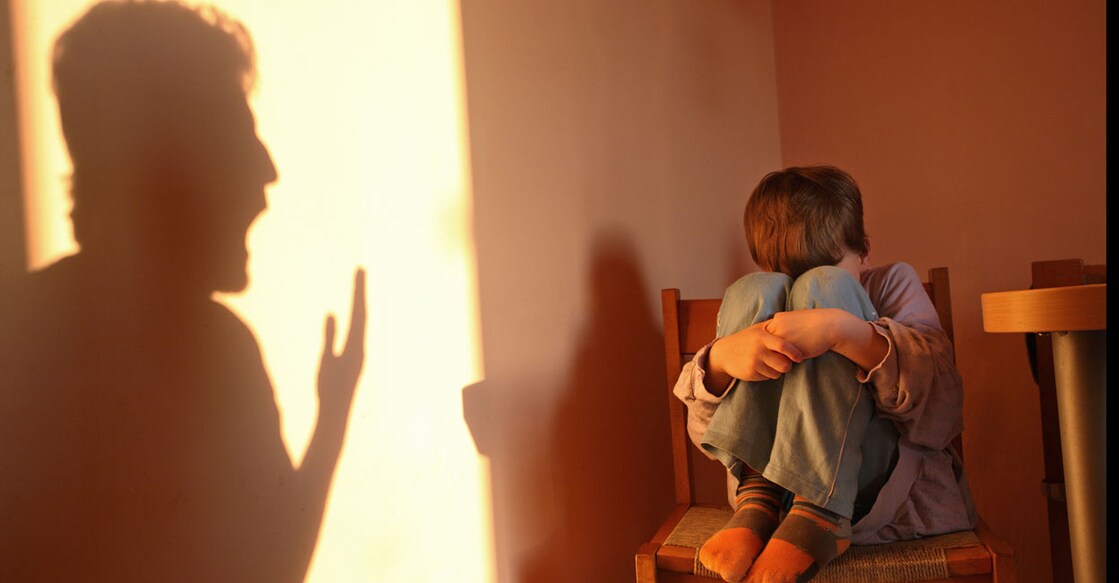
Occasional disagreements between couples are a natural part of any relationship, but there is a fine line between a healthy debate and a toxic argument. When respect is discarded, the emotional structure of the family collapses. Amidst heated shouting matches, parents often overlook the most important witnesses: their children, who are quietly absorbing every bit of hostility in the room.
Constant parental conflict does not just ruin the peace of a home; it actively damages a child's development. Children need an environment built on mutual love, respect, and trust to thrive. When raised in a highly volatile home, they suffer immense emotional exhaustion that can affect them for the rest of their lives.
The physical toll of emotional distress
We often associate chronic stress with adulthood, but children caught in the crossfire of constant arguments frequently manifest their emotional pain physically. Psychosomatic symptoms such as persistent stomach aches, headaches, fatigue, and unexplained body pain are incredibly common. These physical ailments are clear signals that the child is struggling to cope with a home environment devoid of safety and stability.
A breeding ground for childhood depression
Children between the ages of three and six are highly expressive and crave deep emotional connection with their parents. When the home is dominated by anger, these young minds begin to internalise their anxiety. Lacking the vocabulary to communicate their fears, they bottle up their emotions, making them exceptionally vulnerable to childhood depression and anxiety disorders as they grow older.
Guilt, academic decline, and behavioural shifts
A turbulent home environment can severely hinder a child's cognitive development and learning abilities. Furthermore, children often harbour the irrational belief that they are the cause of their parents' arguments, carrying an unfair burden of guilt that destroys their self-esteem. This emotional distress inevitably triggers noticeable behavioural shifts. While some children become completely withdrawn and introverted, others externalise their pain through intense anger, stubbornness, and aggressive behaviour.
Insecurity and the urge to escape
As domestic hostility intensifies, children lose their foundational sense of security. This chronic instability can drive adolescents to seek comfort outside the home, sometimes making them vulnerable to unhealthy peer groups or leading them to run away. The severe trauma associated with hostile separations and divorces further compounds these mental health challenges. If parents want to see their children grow up healthy, happy, and resilient, prioritising a peaceful, loving domestic life is not optional—it is essential.
 Add as a preferred source on Google