

14% of Kerala prone to floods, landslides; Parliament panel flags gaps in last-mile warnings
Mail This Article


A week after Kerala was buffeted by the season’s most torrential weather, a report tabled in Parliament by the Standing Committee on Home Affairs has highlighted the state’s heightened vulnerability to disasters and pointed to serious shortcomings in its disaster management system.
The 261st Report on Disaster Management, submitted in Parliament on August 7, noted that Kerala’s unique geographical composition leaves the state highly vulnerable to disasters such as floods, landslides, coastal erosion, lightning and cyclonic events.
According to the report’s estimates, approximately 14.5% of the state is flood-prone, while 14.4% is susceptible to landslides. Meanwhile, more than half of Kerala’s coastline is vulnerable to coastal hazards.
Kerala’s narrow coastal belt, dense network of rivers, ecologically fragile Western Ghats and high population density contribute to overlapping hazard exposure, particularly during periods of intense monsoon rainfall, the report noted.
While it lauded Kerala’s advanced early warning and monitoring systems, including the Kerala Warning, Crisis and Hazard Management (KaWaCHaM) system which integrates multi-hazard alerts, the report noted that gaps persist in the last-mile dissemination of warnings in landslide-prone and remote areas. It also said public awareness of multi-hazard warning systems required further strengthening across the state.
The report also highlighted deficiencies in the enforcement of building regulations and land-use planning norms, as well as uneven implementation of coastal regulation provisions. It further noted that disaster risks are exacerbated by high population density, environmental degradation and urban encroachment into ecologically sensitive areas.
It concluded that Kerala has developed a comprehensive and decentralised disaster management model, with strong integration of community participation, technology and anticipatory planning. However, it said further strengthening was required.
Among its recommendations were stricter enforcement of risk-informed development norms, enhanced technological capabilities for forecasting and modelling, and improved last-mile connectivity and public awareness.
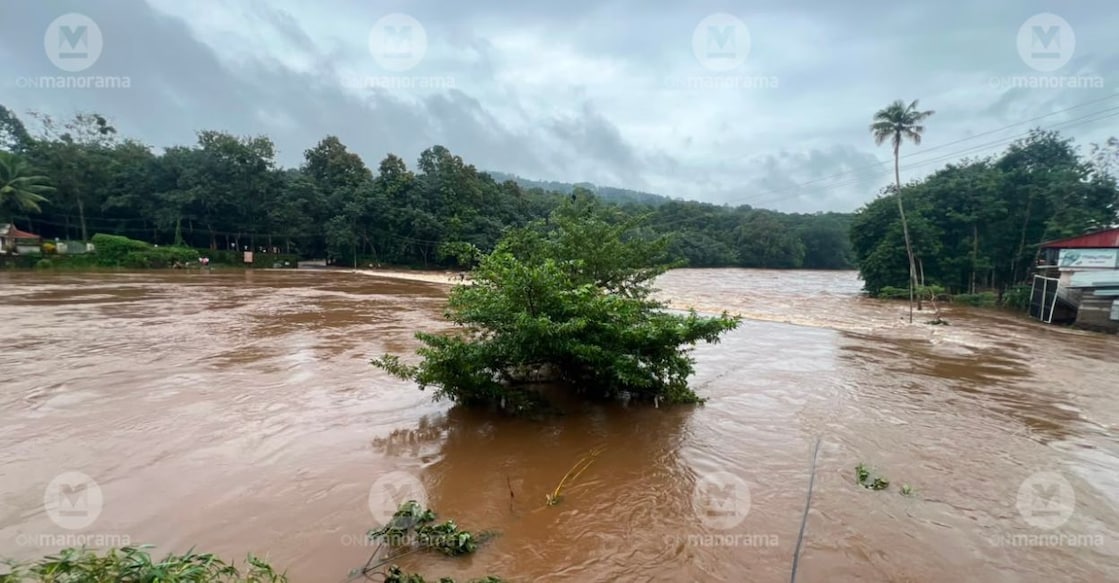
The report was submitted as heavy rains brought widespread disruption and disasters across the state, triggering landslides, mudslides, flooding, waterlogging and sea incursion. The downpour and associated disasters resulted in 28 deaths, while 70 houses were completely destroyed and 764 were partially damaged.
The harsh weather also forced 41,773 people into 440 relief camps set up across the state. Agriculture Minister T Siddique said the rain and flooding had affected 36,829 farmers across Kerala. Crops spread over 3,264 hectares were damaged, with the total crop loss estimated at ₹99.29 crore, he said.
Following the disaster, the state has sought ₹110 crore in financial assistance from the Centre.
