

Fuel price shocker leaves Kannur CNG auto drivers in a spot
Mail This Article


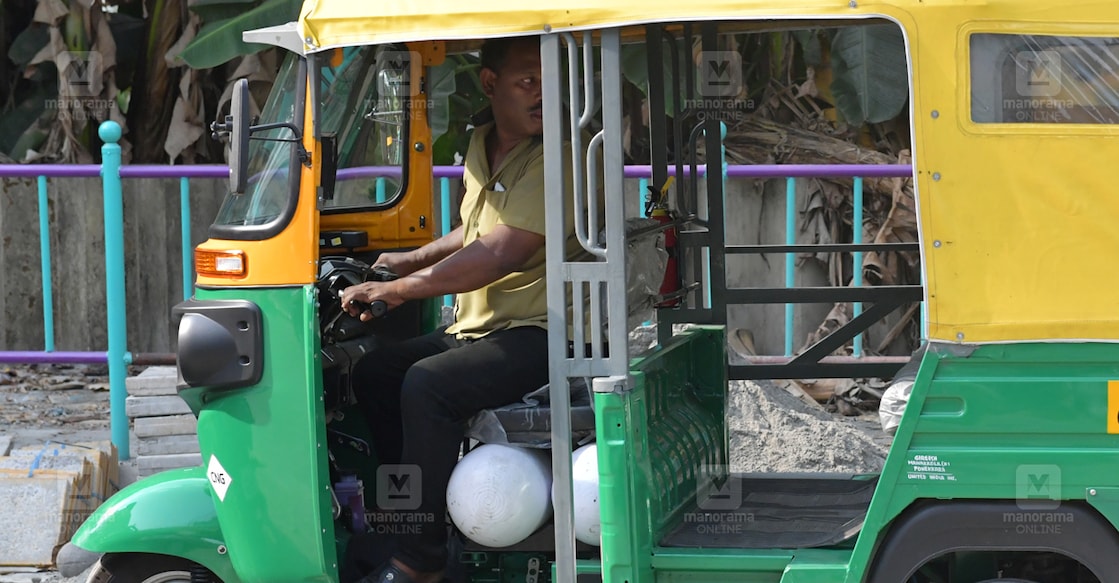
Kannur's auto-rickshaw drivers who switched to Compressed Natural Gas (CNG) to escape skyrocketing petrol and diesel prices are now finding themselves in a tight spot. What was once seen as a wallet-friendly, green alternative has turned into a financial trap due to steep price hikes and high maintenance costs. Over the past five years, the price of CNG in the region has nearly doubled, rising from ₹55 per kg to a staggering ₹101 per kg, leaving operators struggling to make ends meet.
Many drivers in the district transitioned to CNG over the past five years, hoping to secure their livelihoods. A CNG auto-rickshaw costs around ₹3.5 lakh—significantly higher than the ₹3 lakh price tag of a standard diesel variant. To afford these vehicles, several drivers pawned gold or took high-interest loans. Initially, the move paid off; when petrol was retailing at ₹90 per litre, CNG was highly economical at ₹53 per kg. However, with CNG prices now hovering at ₹101 per kg, the financial advantage has completely evaporated, leaving debt-ridden drivers struggling to pay off their loans. To make matters worse, the running costs of these green vehicles are compounded by exorbitant maintenance expenses. Drivers report that spare parts for CNG models are far more expensive than their diesel counterparts. Repairs must be handled by authorised service centres, where wait time is long, forcing drivers to lose valuable working days. High labour charges further eat into their daily earnings.
In addition to high service costs, safety regulations place an extra financial burden on operators. Owners must get their CNG tanks hydro-tested every three years to secure compliance certificates. Without this certification, they are legally barred from taking their vehicles onto the road. For struggling daily wage earners, meeting these periodic testing costs and handling the associated paperwork has become yet another hurdle in an already unprofitable venture.
