

Pause for e-POS machines with AI and micro-ATM technology
Mail This Article


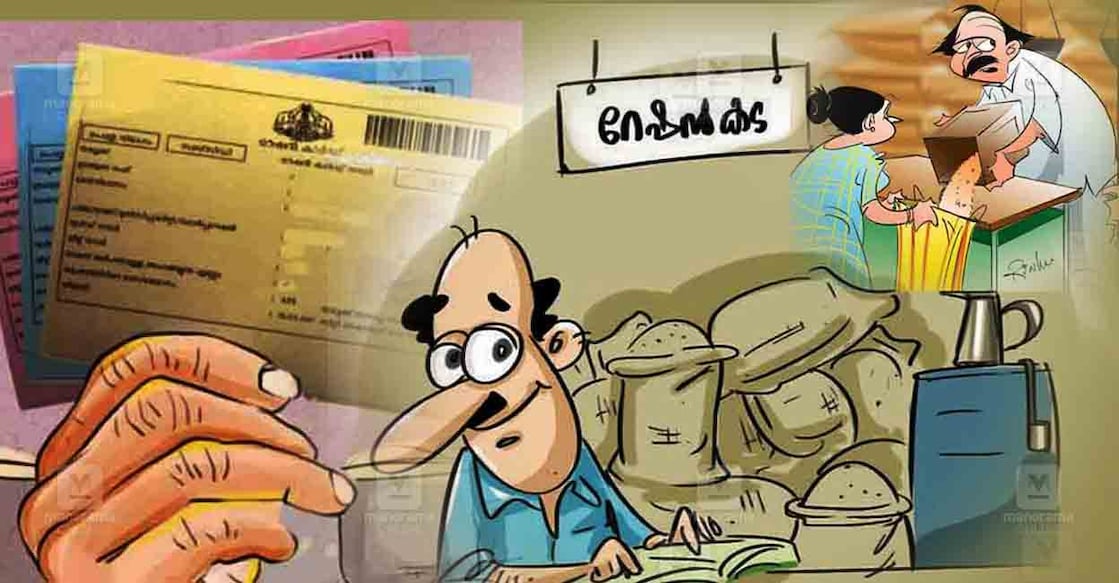
The public distribution system in Kerala is set for a major technological leap, as traditional electronic point of sale (e-POS) machines at ration shops will soon be replaced by advanced devices powered by artificial intelligence (AI) and digital currency. This transition is part of 'Smart PDS', a key component of the central government’s ₹25,530 crore 'Sarthak-PDS' initiative designed to modernise India's public distribution network. The comprehensive modernisation project is scheduled to run until 2031.
To resolve issues faced by beneficiaries whose fingerprints are worn or fail to scan, the new devices will come equipped with iris scanners and facial recognition technology. This ensures that genuine beneficiaries never lose out on their ration quotas. Furthermore, the new devices will feature built-in geo-fencing technology to prevent manipulation and corruption. If a machine is moved more than 50 metres away from the designated ration shop premises, it will automatically shut down, ensuring the system remains location-secure.
The upgrade will introduce a suite of cutting-edge technologies, including machine learning, natural language processing (NLP), and blockchain. These will help identify duplicate cards, prevent impersonation, and secure transaction logs. The AI-backed network will also streamline supply chain operations by monitoring warehouse storage and optimising delivery vehicle routes through real-time tracking.
In a move that promises to boost rural banking accessibility, these next-generation e-POS devices will double up as micro-ATMs. This will allow ration cardholders to withdraw cash directly from their local ration shops, eliminating the need to travel long distances to banks or ATMs. This hybrid utility is expected to be a major convenience for those in remote areas.
The pilot phase of this technology has already commenced in Delhi. Since the central government supplies the grain allocations for Antyodaya Anna Yojana (AAY) and priority household cardholders, all states, including Kerala, will eventually adopt this uniform smart system. Detailed discussions are currently underway between state and central officials to map out the final implementation strategy across Kerala.
