

A friend's favour turned death trap: How a Kerala expat ended up on death row in Saudi Arabia
Mail This Article


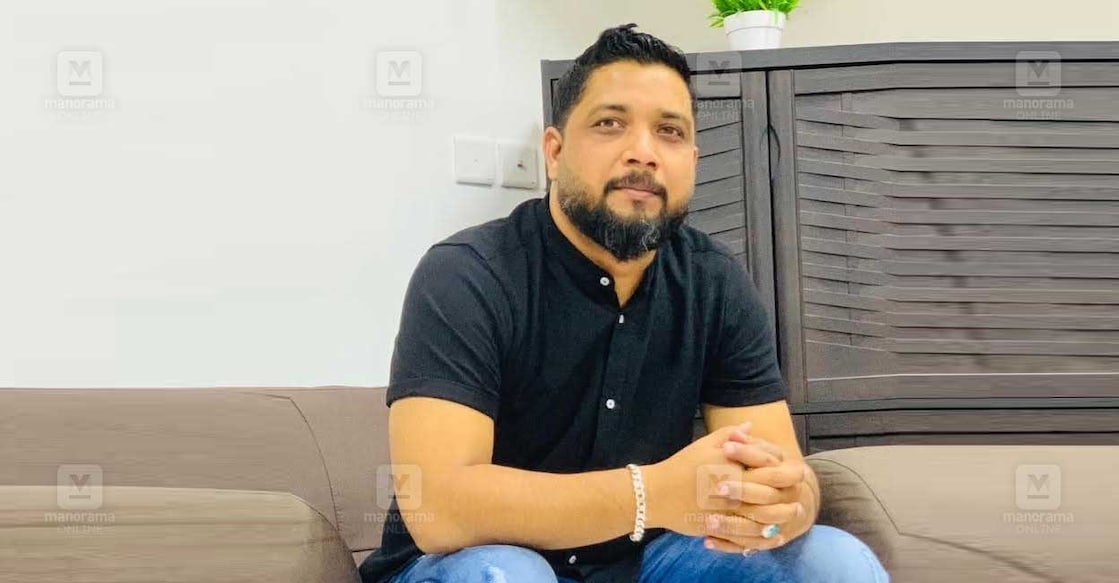
The execution of Abooty Valliyil (41) in Dammam, Saudi Arabia, has sent shockwaves through the Indian expatriate community, serving as a grim warning of how quickly an unsuspecting migrant can fall victim to international drug syndicates. Former Indian Embassy official Yusaf Kakkancheri still vividly remembers meeting a dejected Abooty in a quiet corner of the Al-Ahsa prison—a chance encounter that brought to light the terrifying reality of a friendly favour turned into a death sentence.
Abooty, a native of Kannur in Kerala, was scheduled to return home on 2 December, 2023. He had messaged his family that he would board an Air India flight from Riyadh at 11.45 pm, arriving at Karipur airport at 7 am the following morning. But when his family gathered at the terminal to welcome him, he was nowhere to be found. His sudden disappearance sparked immediate panic, prompting his relatives to reach out to the Indian Embassy in Riyadh.
Embassy officials quickly contacted Air India and Riyadh airport immigration, only to discover that Abooty had never boarded the aircraft. Local social workers, including ICF activist Ibrahim Karim, joined the family in a desperate search across Riyadh's hospitals and police stations. When no trace could be found, the Embassy formally raised the matter with the Saudi Ministry of Foreign Affairs.
A shocking discovery behind bars
The breakthrough came when Embassy representatives Yusaf Kakkancheri and Rajeev Sikri obtained permission to visit Al-Ahsa prison. While cataloguing the details of the 202 Indian inmates detained there on various charges, Kakkancheri noticed a silent, visibly distressed Malayali man sitting in a corner. When asked for his details, the man identified himself as Abooty Valliyil, ending the two-week-old search for the missing traveller.
The double petrol tank trap
During a half-hour conversation, Abooty explained the tragic chain of events. A friend had asked him to drive a Land Cruiser from Oman to Saudi Arabia. The arrangement was simple: once he delivered the car to his friend in Saudi Arabia, he would head straight to Riyadh airport for his flight home. However, Saudi drug enforcement authorities intercepted the vehicle at the Oman-Saudi border area of Umm Ramool. A thorough inspection revealed 43 kilograms of methamphetamine—locally known as 'shabu'—stashed inside one of the vehicle's dual fuel tanks. Abooty maintained his absolute innocence, insisting he had no idea the vehicle was being used to transport narcotics.
Following his custody, investigators briefly took Abooty to Riyadh airport, where he was made to exchange WhatsApp messages with his family—presumably to keep his whereabouts hidden while initial enquiries were underway.
From imprisonment to the gallows
The Al-Ahsa trial court initially sentenced Abooty to 25 years in prison alongside a fine of SAR 1 million. However, the Public Prosecution appealed the verdict, demanding a harsher penalty. The Court of Appeal subsequently sentenced him to death. This execution marks the first time in 14 years that a Malayali has faced the death penalty for a drug-related offence in Saudi Arabia, following a similar execution of three Kerala natives in 2012.
A stark warning for Gulf expatriates
Reflecting on the tragic case, Kakkancheri urged the Indian diaspora to remain hyper-vigilant. 'Entangling oneself in a drug syndicate’s net, whether knowingly or unknowingly, costs nothing less than your life,' he warned. He advised expats never to transport vehicles, luggage, or goods for acquaintances or strangers without absolute certainty of their contents, emphasising that momentary helpfulness or the lure of quick cash can turn into an irreversible death trap.
