

One year of Wayanad landslide: How can ‘anniversary reaction,’ ‘survivor's guilt’ or ‘PTSD’ affect those rescued
Mail This Article
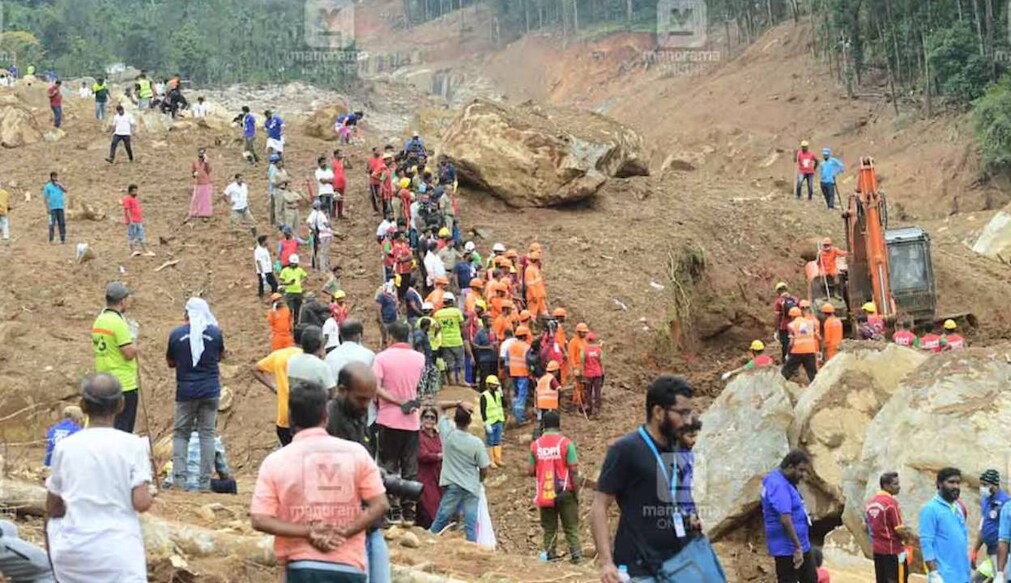
The memories of the Wayanad landslide, which happened last year on July 30 and claimed 298 lives, still haunt both those who were affected by it and those who witnessed it. Recently, the Kerala health department stated that the survivor's of the landslide may experience 'Anniversary Reactions' as the first anniversary of the deadly disaster that shook Kerala is here. The memories may trigger anxiety, panic attacks, depression and sleeplessness. The district mental health program had also launched special screenings to improve the mental well-being of the survivor's of the landslide.
Dr Aparna Nair, nodal officer of the district mental health program, says that although the mental well-being of the survivor's had improved significantly due to collective efforts, changes in weather and heavy rainfalls have caused anxiety in some people. Those who experience a traumatic event or grief usually go through a condition called Post Traumatic Stress Disorder. Meanwhile, some people have been experiencing survivor’s guilt, which is a psychological condition in which a person feels guilt for surviving a traumatic event when others did not. Besides, sleeplessness and sleep disorders have become common among children who have lost both their parents.
The authorities are utilising facilities like mobile psychiatry units to visit the homes of 2200 survivor's to ensure their mental well-being. These services would reportedly be continued for one more year.
What is an anniversary reaction?
Anniversary reaction or anniversary effect is a psychological response, often emotional distress, that occurs with the same intensity on or around the anniversary of a traumatic event, like a natural disaster or significant loss. When grief and memories return, their course can be at times unpredictable, according to the Mayo Clinic. Difficulty in speaking, sadness, pain, loneliness, anger, anxiety, crying spells, depression, fatigue and more can affect survivors.
What is survivor’s guilt?
It’s a mental condition that happens after an event that resulted in the loss of life or a traumatic incident. Medical News Today says that the survivors can question why they escaped death, while others didn’t. This is a condition that’s often experienced by cancer survivors, transplant recipients, war veterans, parents who outlive their children and even natural disaster survivors. They can also experience Post Traumatic Stress Disorder or PTSD, often.
What is PTSD?
Post Traumatic Stress Disorder (PTSD), according to the Cleveland Clinic, is a condition that causes hypervigilance, flashbacks, anxiety, negative thoughts and beliefs and more, after a traumatic event. Its primary treatment is psychotherapy with a trained, licensed mental health professional. While a traumatic event can’t be prevented, protective factors or steps can be taken afterwards to prevent the event from repeating. This includes joining support groups of similar people, developing a healthy coping strategy, helping others with similar conditions and learning to feel positive about your actions in the face of danger.
 Add as a preferred source on Google