

Sabarimala pilgrimage: Here's why you should stay away from chemical-based vermillion
Mail This Article


The vermillion or kumkumam on a Sabarimala pilgrim's forehead has always been a symbol of devotion and blessing. However, times are such that if one is not careful, impure elements in it can have adverse effects on one's health.
Vendors in the Sabarimala region, both permanent shop owners and those operating during the pilgrimage season, have been selling synthetic, chemical vermillion for several years, despite a District Collector’s order allowing only the sale of organic vermillion in Erumeli. Traders often cite the unavailability of organic alternatives as the reason for the practice. On Tuesday, the Kerala High Court also refused to relax the ban on the sale of chemical kumkumam in Sabarimala, citing health and ecology concerns.
How is kumkumam made
Traditionally, dried turmeric powder is mixed with slaked lime to make vermillion. At times, a little water is also added to the mix. Ghee and lime juice are also sometimes added to it to change its colour and texture. Experts say there is no easy way for pilgrims to determine whether the vermillion they purchase is natural or synthetic.
Why avoid synthetic vermillion?
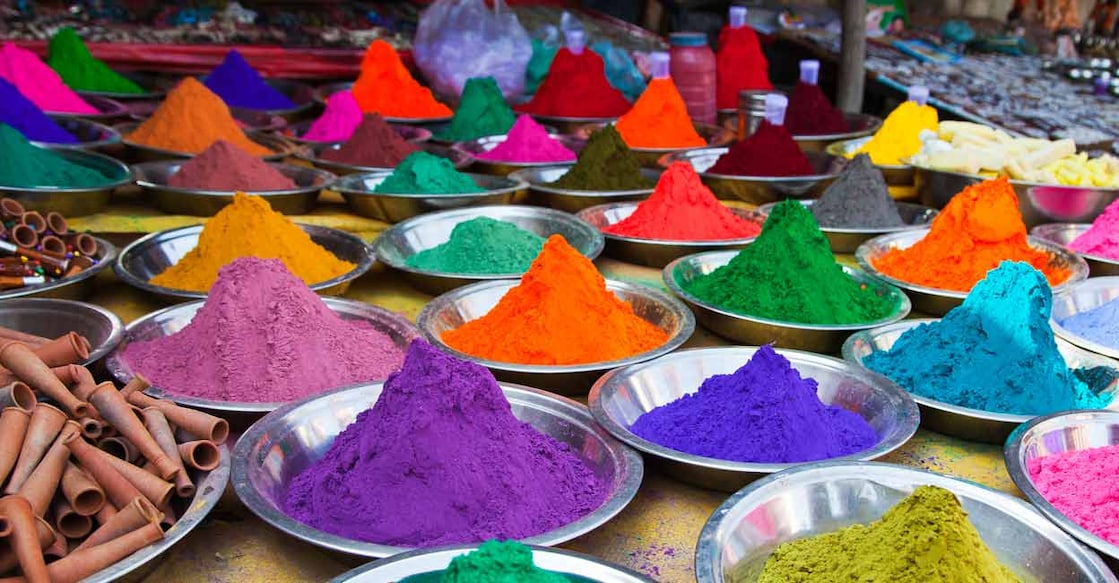
Pilgrims performing the Peta Thullal traditionally cover their bodies with these colourful powders, making them an essential part of the ritual. However, there have been reports from local residents and vendors of long-term exposure to chemical vermillion causing lung ailments and other health issues. Skin diseases have also been reported among those using the powders.

Following the Peta Thullal ceremony, thousands of pilgrims take a bath in the Valiyathodu stream in Erumeli. This causes the chemical vermillion to mix into the stream, raising environmental concerns. Sample packs of shampoo and soap, often sold along the banks for devotees’ use, contribute to pollution, residents say. It is these environmental and health concerns that have now prompted the High Court to intervene and impose the ban.
When washed off with soaps and detergents, the chemicals in kumkumam enter soil, rivers, and groundwater systems, resulting in aquatic toxicity and depletion of dissolved oxygen levels. The endemic freshwater species in Kerala, which is concentrated in the Periyar area, is particularly sensitive to such contaminants, reports Livelaw.
Sale of 25 tonne in Erumeli alone
It is estimated that over 25 tonne of chemical-based vermillion are sold in Erumeli during each pilgrimage season. Only a handful of wholesale traders import the material in bulk, which is then sold in smaller packets.
The push for organic vermillion
A few years ago, a group of conservationists introduced bulk quantities of organic vermillion in Erumeli using CSR funds and distributed it for free. However, the project's organisers say there was immense pressure and resistance, which eventually led to its discontinuation. During that period, an exhibition promoting organic vermillion was also staged in Erumeli during the pilgrimage season. According to them, organic vermillion is made from eco-friendly materials and poses no harm to humans or the environment.
 Add as a preferred source on Google