

What's the connection between air quality and mental health? Experts explain
Mail This Article


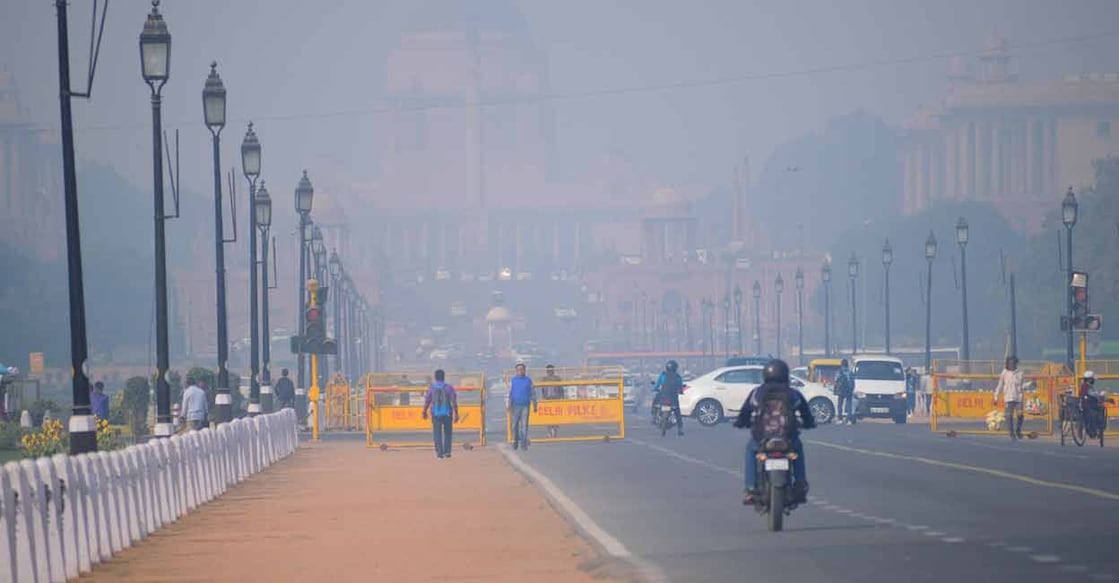
Delhi's deteriorating air quality has been affecting its residents' physical health for quite some time. Now, experts warn that the phenomenon will also have an impact on their mental health and that it can result in low IQ levels, memory power and even increase the chances of developing the neurodevelopmental condition Attention Deficit Hyperactivity Disorder. There is research-based evidence to say that polluted air can also cause anxiety, depression and even Alzheimer's and Parkinsons's disease.
Who is the most vulnerable?
According to Dr Anchal Miglani of Emoneeds, a platform that provides online psychiatric counselling and therapy, children, older individuals, and people from low-income communities are the most vulnerable to the ill effects of toxic air. If children grow up in highly polluted environments, it can elevate their cortisol, disrupt their mood, give them chronic stress and even develop ADHD, she said.
High depression rates in Delhi
Doctors say that Delhi residents have around 40% higher rates of anxiety and depression, compared to other cities. This is also due to health-related anxiety, dwindling outdoor engagements and social isolation, according to Dr Miglani. Dr Fiza Khan of Emoneeds also said that even the 'awareness' of bad air days, repeated flight delays, school closures, and more can stress children. Sleep disturbances due to poor air quality can also trigger mental health issues, she said.

What to do to safeguard their health?
1) Acknowledge the mental toll of pollution-related issues.
2) Limit screentime
3) When pollution increases, keep windows closed
4) Work at creating cleaner indoor air with snake plant, spider plant and similar natural purifiers
5)Do yoga and stretching to ensure enough movement
6) Engage in creative hobbies like music, drawing and the like
7) Eat foods that ensure nutrition, like vegetables, fruits, hydrating drinks and Omega-3 rich foods
(With inputs from PTI)
 Add as a preferred source on Google