

Seedless fruits: Are they good for health? Expert explains
Mail This Article


Seedless fruits have become a regular part of our daily diet, and it’s easy to see why. They save us the hassle of removing seeds and are convenient to enjoy. No wonder their popularity keeps growing. Yet, despite their widespread presence, seedless fruits are often surrounded by misconceptions.
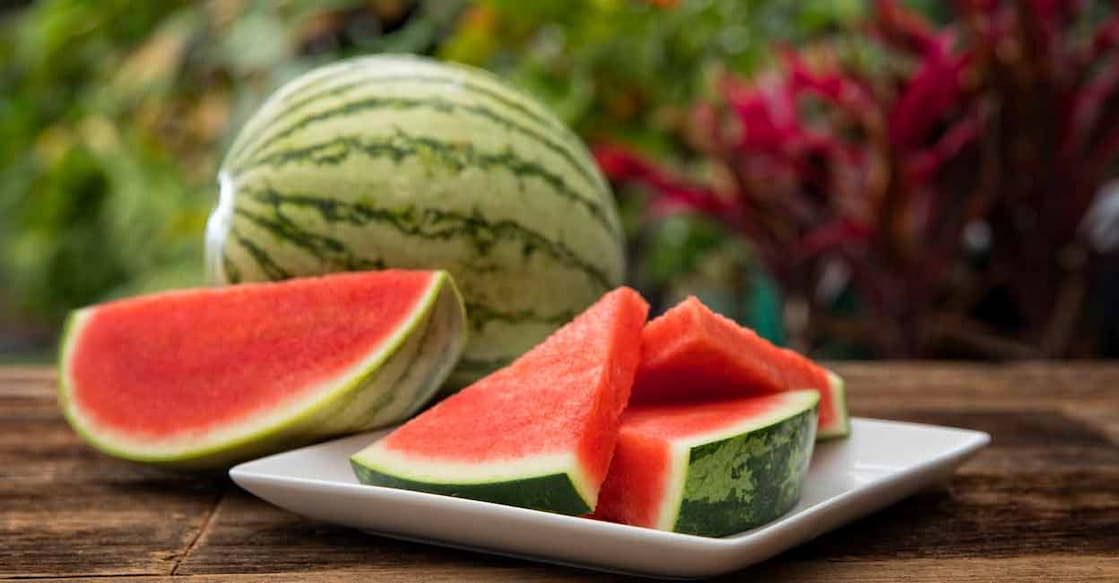
In varieties of bananas, grapes, jamun fruit, and oranges that are naturally seedless, this occurs due to genetic mutations. Meanwhile, seedless watermelons are created through cross-breeding. There is a specific reason why bananas are seedless. In wild banana species, the fruits used to contain large, hard seeds. Over centuries of controlled cultivation and hybridisation, the main banana varieties, such as Musa acuminata and Musa balbisiana, were crossbred to produce seedless, sweet banana varieties. When comparing seeded and seedless bananas, no significant difference in nutritional content is observed. Therefore, seedless fruits can be safely consumed and enjoyed without concern.

Why some fruits ripen after plucking, and others don’t
Even if you buy hard and unripe mangoes or bananas, their colour may change, and they may ripen within a few days. On the other hand, slightly unripe oranges often retain their tartness and firmness even after several days. The hormone ethylene, produced naturally by fruits, is responsible for ripening. When ethylene combines with rapid respiration (the process by which oxygen is absorbed and carbon dioxide is released), fruits ripen faster. Fruits in which ripening occurs alongside high ethylene production and increased respiration are called climacteric fruits. Even if such fruits are picked from the tree, they will continue to ripen. The examples include bananas, apples, avocados, mangoes, papayas, and jackfruit.
In contrast, non-climacteric fruits do not ripen much once harvested. This is because they produce very little ethylene and have a slow respiration rate. Examples include oranges, lemons, rambutans, grapes, strawberries, guavas, cherries, pineapples, sapodilla (chikoo) and watermelons. These fruits are best harvested when fully ripe, as their taste and texture will not improve post-harvest. Therefore, when buying such fruits from markets, it is important to select ones that are already ripe.
 Add as a preferred source on Google