

Dreamt of being doctor, became engineer for parents, now Kerala woman runs AR startup

Mail This Article


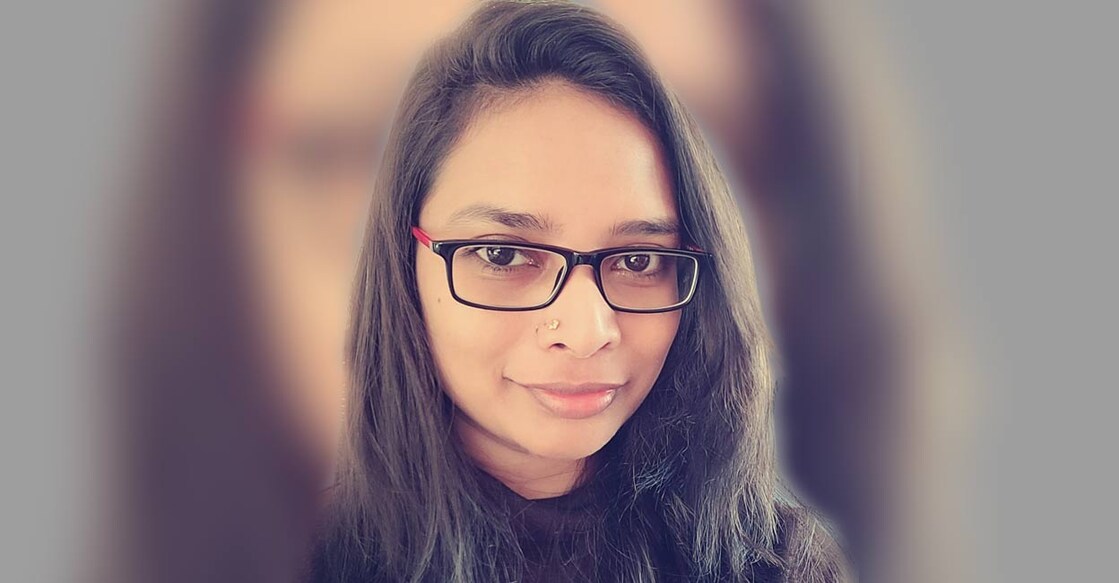
She once dreamt of becoming a doctor. But when the time came, Yamuna Kalyani, founder and CEO of Thiruvananthapuram-based UniteAR, chose engineering to fulfil her parents’ wishes. A native of Kottayam, she secured admission to LBS Institute of Technology for Women, Thiruvananthapuram, and graduated with a degree in Information Technology. Though she landed a job in a multinational company soon after, her heart was elsewhere. “I had been dreaming of becoming a doctor since I was five or six. I even cleared the entrance exam with a good rank. But my parents insisted on engineering. The idea was to complete the course in four years, secure a good job with a decent salary, and settle down. That didn’t excite me,” she recalls.
Within a year of joining the IT industry, Yamuna quit to follow her entrepreneurial instincts. She co-founded her first startup, iBoson Innovations, along with her friend Vishnu JP. But convincing her family about her unconventional path wasn’t easy. “There was no support initially. As a woman, it’s often expected that you get a job, get married, and settle down. I was determined to break that mould,” says Yamuna.
During her early startup days, a turning point came when she attended a tech showcase and saw real estate firms using virtual reality for property presentations. That experience sparked the idea of building accessible immersive tech solutions. Although their first VR product struggled to gain traction, it led to deeper industry consultations, including with mentor Brijesh Madhavan, who helped them reimagine the possibilities of augmented reality (AR).
This led to the creation of UniteAR, launched in 2023, a no-code platform that enables anyone to create AR experiences without any technical expertise. All it takes is uploading an image to the platform. Users can then add digital elements, such as 3D models, videos, text, or 360-degree visuals. “Imagine a student scanning an image in a textbook and watching a 3D animation pop up. Or a newspaper ad turning into a product demo. That’s the kind of experience we’re enabling,” says Yamuna.
UniteAR serves a diverse range of sectors, including education, marketing, real estate, and entertainment. Teachers use it to bring lessons to life, businesses create interactive product demos, and researchers present their projects with immersive visuals. About 90 per cent of UniteAR’s clientele is based in the US and Europe.
Developing the platform took time. “We spent a year building the MVP and over three years on R&D. When customers started paying, that’s when we knew we had a viable business, not just an idea,” she says.
Today, Yamuna's team works remotely, with its base in Thiruvananthapuram and support from freelancers. The company is now focused on growth, especially in overseas markets. The initial funding was managed entirely by Yamuna, with support from mentors including Praveen Nair and Brijesh Madhavan.
They also benefited from startup programs offering cloud credits, mentorship, and networking opportunities. “The product is already generating revenue. But to scale further, especially in global markets, we’ll need stronger industry access and additional support,” she adds.
UniteAR is also expanding its capabilities with AI. “Currently, users upload images. We’re working on features like text-to-3D and text-to-video, which will make content creation faster, easier, and more personalised. We’re also building analytics tools to provide customer insights,” she says.
Yamuna is aware of the challenges women face in deep tech sectors. “Women-led startups often receive less funding. That needs to change. Today’s startup campuses offer better mentorship and guidance, which is encouraging. In the future, if UniteAR becomes successful, I want to help build and mentor more startups— especially women entering deep tech,” she says.
Yamuna is married to Rahul and is currently settled in Chennai, Tamil Nadu.
 Add as a preferred source on Google