
Centre plans major GST reform; FinMin proposes 2-tier rate structure
Mail This Article


New Delhi: The Finance Ministry on Friday said that it has proposed a two-tier GST rate structure to the Group of Ministers (GoM), along with special tax rates for a few selected items. This proposal is part of the government's plan to implement "next-generation" GST reforms within the current financial year, aiming to reduce the tax burden on everyday essentials.
Under the proposal, the Centre has recommended to a panel of state finance ministers that the GST system should be simplified into two main categories — 'standard' and 'merit' rates— with certain items subject to specially designated rates.
Currently, GST is a four-tier tax structure of 5, 12, 18 and 28 per cent, where essential items are either exempted or taxed at the lower tax bracket, while luxury items are levied at the highest slab. Besides, a compensation cess is levied at varied rates on demerit and luxury items like pan masala and cars.
With the compensation cess regime coming to an end on March 31, 2026, the GST Council will also have to work out a mechanism regarding the rates of tax that can be levied on goods that currently attract compensation cess.
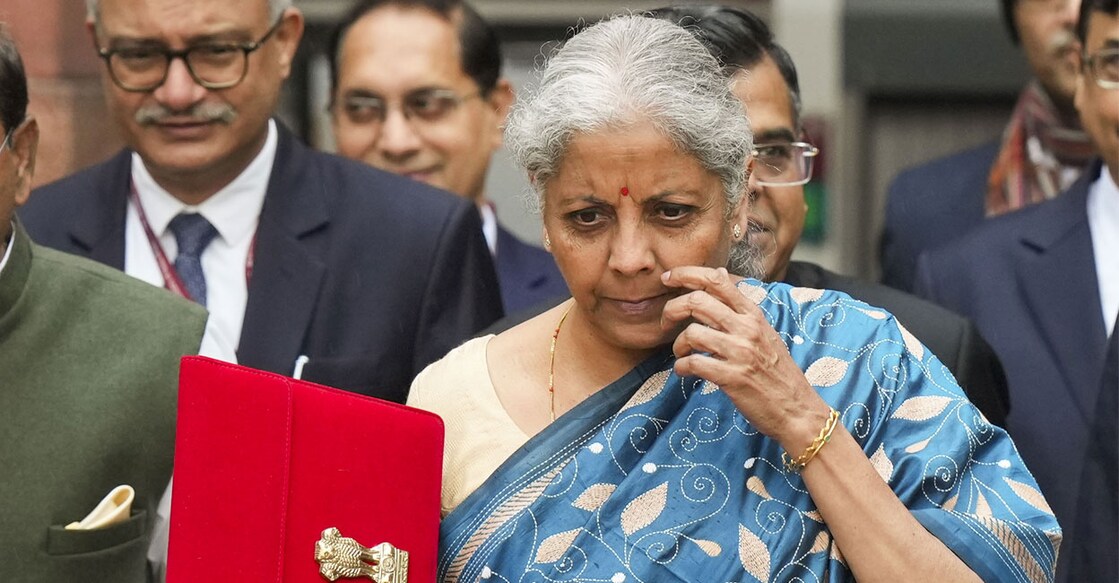
The GST Council, chaired by Finance Minister Nirmala Sitharaman and comprising state ministers, is expected to meet in September to discuss the GoM proposal on rate rationalisation.
"The GST Council in its next meeting will deliberate on the recommendations of GoM, and every effort will be made to facilitate early implementation so that the intended benefits are substantially realised within the current financial year," the finance ministry said while unveiling its proposal, which has been submitted to the rate rationalisation GoM.
Prime Minister Narendra Modi, in his address to the nation on the 79th Independence Day, announced that 'next generation' GST reforms, which will lower tax burden substantially and benefit small industries, are in the works, and the lower taxes will be a Diwali gift to citizens.
Soon after the announcement, the finance ministry said the Centre has shared its proposal on GST to the GoM which rests on three pillars- structural reforms, rate rationalisation and ease of living.
The Centre has proposed lowering taxes on everyday items and aspirational goods, and simplifying the GST system by reducing it to two main tax slabs with special rates for a few specific items. This move is expected to boost spending and make goods more affordable.
The GST reforms will also seek to reduce classification-related disputes, correcting inverted duty structures in specific sectors, ensuring greater rate stability, and further enhancing ease of doing business. These measures would strengthen key economic sectors, stimulate economic activity, and enable sectoral expansion.
The structural reforms would ensure stability and predictability by providing "long-term clarity on rates and policy direction to build industry confidence and support better business planning".
On the 'ease of living' side, the finance ministry's proposal includes seamless, technology-driven GST registration, especially for small businesses and startups. It also suggested the implementation of pre-filled GST returns and faster and automated processing of refunds for exporters and those with an inverted duty structure.
The ministry said the end of compensation cess has created fiscal space, providing greater flexibility to rationalise and align tax rates within the GST framework for long-term sustainability.
 Add as a preferred source on Google