

Nvidia loses $192 billion as peers climb 2%; How Jensen Huang's controversy rattled AI chipmaker
Mail This Article


When the US markets opened on Monday, a fall in Nvidia shares was hardly a surprise. But few expected the sell-off to be this brutal. Nearly $192 billion was wiped off the chipmaker's market value in a single trading session.
The shares plunged more than 8 per cent at the opening bell, before recovering some ground to close at $178.67, down around 4 per cent for the day.
The bigger surprise, however, was that Nvidia was falling while much of Wall Street was having a good day. The S&P 500 climbed 2.35 per cent, its best session since April, while the Nasdaq surged 2.7 per cent, marking its strongest performance since July. Semiconductor stocks, too, were largely on the rise.
So what went wrong for Nvidia?
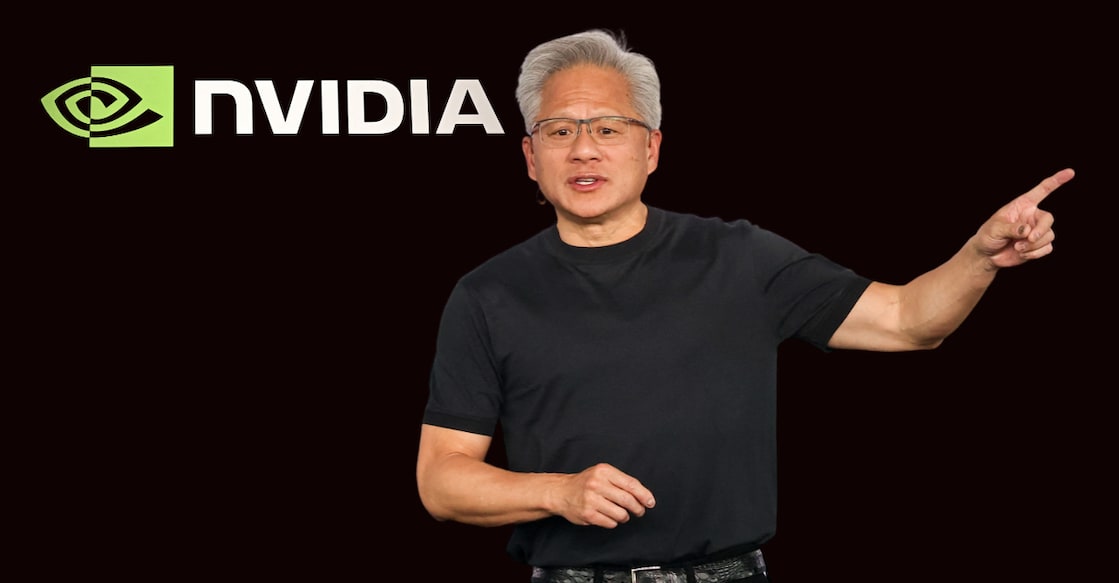
The immediate backdrop was the controversy surrounding its CEO, Jensen Huang. Allegations involving an extramarital relationship, links to a Chinese businesswoman suspected of spying for Beijing, and concerns over potential national security implications have put the 63-year-old chief executive under scrutiny.
The controversy surrounding Huang emerged as a fresh source of uncertainty for the chipmaker, which has already been facing concerns over the mounting costs of data centres needed to sustain the global AI expansion. Nvidia shares had been under pressure since last month amid questions over the scale of investment required to support the industry's growth.
The latest sell-off, however, came with a more direct focus on the company's leadership.
Nvidia and Huang were sued on Monday in a proposed class-action lawsuit accusing them of defrauding shareholders by concealing the CEO's alleged ties to Alice Huang, a Chinese businesswoman suspected of spying for Beijing. Separately, reports said Huang had told Nvidia employees that he had been unfaithful to his wife, although he did not disclose details of the alleged relationship.
The allegations have raised questions about potential national security implications and whether Huang's personal associations could undermine US efforts to maintain its technological advantage over China.
Why Jensen Huang matters to the AI industry
At 63, Huang is more than the chief executive of the world's most valuable chipmaker. He has become one of the most influential figures in the global AI industry, with Nvidia's graphics processing units (GPUs) powering the training and operation of some of the world's most advanced AI models and services, including ChatGPT.
Under his leadership, Nvidia has also expanded beyond chipmaking, using its enormous cash reserves to invest in companies across the AI ecosystem. These include AI cloud-computing providers, technology suppliers and some of the world's largest AI laboratories.
This growing influence means any uncertainty surrounding Huang could have consequences beyond Nvidia itself. As the company investigates whether he was targeted by foreign intelligence, analysts have flagged the potential risks to an industry that increasingly depends on Nvidia's technology, investments and strategic direction.
Huang's influence on markets and the technology industry is already well established. A casual dinner of fried chicken and beer in Seoul with the CEOs of Samsung and Hyundai last year sent shares of two South Korean food companies soaring. His endorsement of Marvell Technology as a potential 'trillion-dollar company' also helped propel the custom-chipmaker's shares to record highs.
He has also emerged as one of the most prominent voices defending the AI boom against growing scepticism. Huang has repeatedly dismissed fears of an AI bubble and pushed back against warnings from Anthropic CEO Dario Amodei that the technology could pose an existential threat to humanity.
Nvidia's extraordinary rise
The latest decline comes despite Nvidia's extraordinary growth over the past four years, during which it became the first company to cross the $4 trillion and subsequently the $5 trillion market-capitalisation milestones.
Even after Monday's losses, Nvidia remained valued at approximately $4.3 trillion. The $192 billion wiped out in the sell-off is comparable to a substantial share of the annual economic output of major economies.
The scale of Nvidia's valuation reflects its central position in the AI revolution. But it also means that developments involving the company and its chief executive can have implications far beyond its own shareholders.
