A four-pillar framework to revive Keralam’s credit cooperatives

Mail This Article


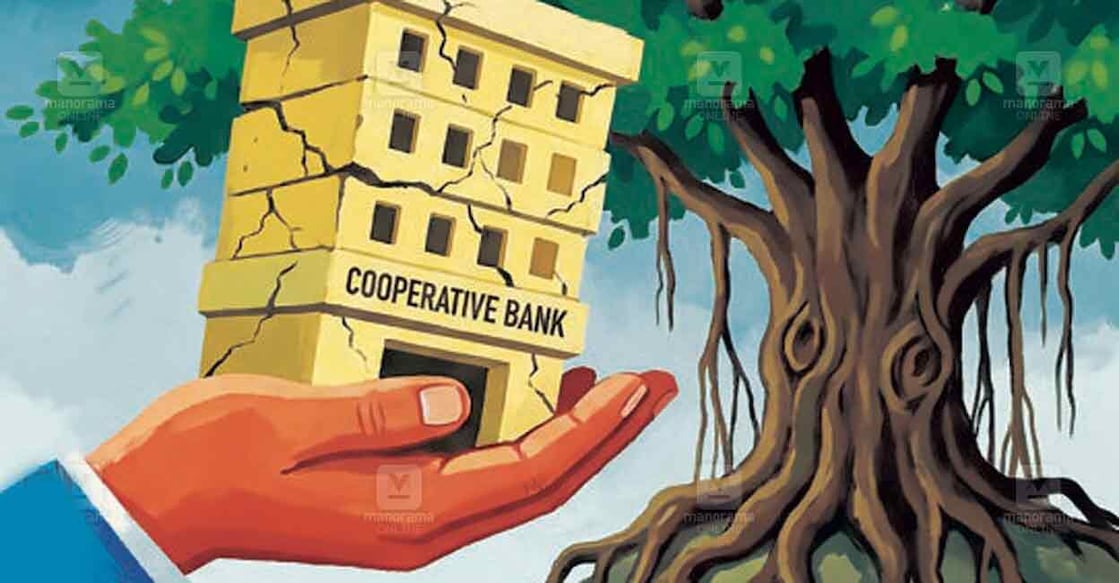
Keralam is observing Cooperation Week, focusing on the relevance, resilience and reform of the cooperative sector. Yet its credit cooperatives have been in the news for the wrong reasons over the past five years and more.
Several societies are dysfunctional and thousands of depositors are unable to get back their deposits. The societies in trouble are associated with different political parties; nobody is free from the blame for mismanagement. A solution is overdue. Left to fester, it can soon spread to other areas as money, deposits, loans are heavily interconnected and not immediately apparent.
Keralam has about 16,500 cooperative societies, of which 3,600-odd are classified as credit cooperatives. Other categories are for consumers, marketing, housing and so on. The present crisis is concentrated in credit cooperatives. These institutions once met local credit needs quickly; their distress has affected livelihoods and local economic activity. There have also been tragic suicides by depositors and action by the Enforcement Directorate.
The Economic Review 2025 of the State Planning Board states that among Primary Agriculture Cooperative Credit Societies alone, deposits were ₹1.68 lakh crore and loans outstanding ₹1.10 lakh crore; overdues were ₹23,000 crore, 21% of outstanding loans.
According to sources in the Cooperation department, NPA norms in these cooperatives are highly flexible, too liberal and may not indicate the real picture. As per current norms for bad loans for cooperatives, NPA recognition starts after one year of default and provisions are inadequate. In fact, it is doubtful whether anyone has a reasonably accurate estimate of NPAs and provisions in cooperatives.
For setting the house in order, a four-pillar framework could provide a starting point, in my view.
1. Identify and quantify bad loans fully
First, establish the extent and quality of overdue loans society by society, categorising them by age, value of available security and recoverability. This exercise can be completed within a strict time frame, say 2 weeks as all affected societies know the accounts. A reasonably precise data of the bad loans including valuation of the recoverable security will provide the anchor for further action to help steady the sector.
2. Establish a cooperative bad bank
A dedicated institution for credit cooperatives should acquire bad loans at values based on realistic recovery estimates, including collateral and personal guarantees. It should receive at least ₹1,000 crore as initial capital from the Government preferably this year itself, through additional demand for grants. The Government should also be ready for a similar annual support for three more years through the budget (In fact, ₹1000 cr may be low but given the Govt finances higher amounts may not be feasible initially). The bad bank needs powers for speedy recovery, including auction of secured property and recovery from salaried guarantors, while offering settlements to genuinely distressed poor borrowers. An enabling legislation through an ordinance should be provided to the bad bank for quick recovery.
Societies could receive 10 per cent of the assessed recoverable value in cash and the balance in security receipts redeemable over five or six years. A haircut for each society would first be absorbed by reserves and capital; the residual could, as a last resort, fall on individual deposits above ₹25 lakh. A part of the repayment of deposits could be converted into interest-bearing five-year new deposits. These measures may cause some pain for depositors, but they should be told this is better than the current impasse and total loss of deposits.

3. Place weak societies under a Corrective Action Plan (CAP)
After grading, the identified weak societies should restrict fresh lending to borrowers offering readily marketable collateral, conservatively valued. Gold loans could be a core product, competing on speed and reasonable rates. Expansion must depend on fresh deposits and improved finances. Governance, audit and compliance standards should rise progressively to at least those applicable to urban cooperative banks on the basis of an annually stepped-up monitoring and stricter audit standard. They should achieve a pragmatic capital adequacy ratio of say 8% in 3/4 years. Who will monitor this glide path of proper supervision and regulation?
4. Create an independent regulatory authority for credit cooperatives
Creation of a separate regulator is a must for the health of this sector. Weak audits, delayed recognition of bad loans, political interference and inadequate supervision have allowed problems to accumulate. Regulation, supervision and audit should be entrusted to an autonomous State-level authority, leaving the Registrar to focus on development. Even with the existing combined structure for development and regulation, we have seen 6/7 Registrars over the past six years. So Registrars have come and gone, leaving the Augean stables as they are, and poor depositors have had no redress.
Scaffolding: Liquidity support when needed
All credit cooperatives may require liquidity support even in the best of times. The State cooperative bank (called as “Kerala Bank”) and commercial banks may be ready to provide cash-credit and overdraft limits, to viable reform-bound PACS and other credit cooperatives. SBI and its erstwhile subsidiaries had schemes in Karnataka and undivided Andhra Pradesh for loans to co-op societies. The State could guarantee the interest component for loans to restructured societies. Bank loans would also provide an additional layer of monitoring and early warning signals.
Obviously, these proposals are a framework, not a finished blueprint. Talented and knowledgeable cooperators are in all political parties. Give representation to all political parties, including the BJP (there are a few societies under their control too). This will ensure consensus. Veteran cooperator and now Minister CP John, along with a few officers, could flesh out this bare-bones four-pillar framework.
The initiative ultimately rests with the Chief Minister, a leader who comes across as open, well-read, and pragmatic. Will he take the plunge and lead a reform that may be bitter in the short term but is essential to restore public confidence in one of the State’s most important sectors? There is no time to be lost.