

Inside the India–Pakistan conflict zone: A photo story from border towns
Mail This Article


As the dust settles after days of intense cross-border conflict between India and Pakistan, a haunting calm has returned to the border regions. But for thousands of civilians living along the Line of Control and the international border, the echoes of shellfire, the glow of emergency blackouts, and the grief of sudden loss are far from over. This photo story captures the devastation, resilience, and human cost left in the wake of one of the most severe escalations in decades between the nuclear-armed neighbours.
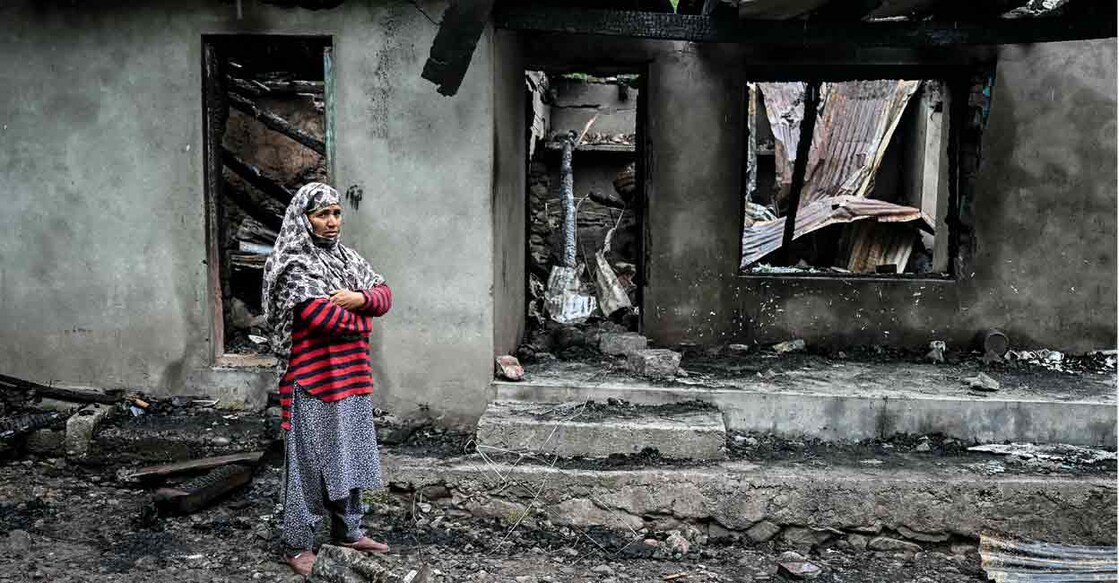
Grief behind closed doors
In the outskirts of Jammu, Farida Begum mourns the loss of her husband Zakir Hussain, who was killed in a blast during the conflict. Alongside her daughters Mehroon and Iram, she is one of countless family members left to pick up the pieces in the aftermath of violence. Photo: AFP/ Money Sharma
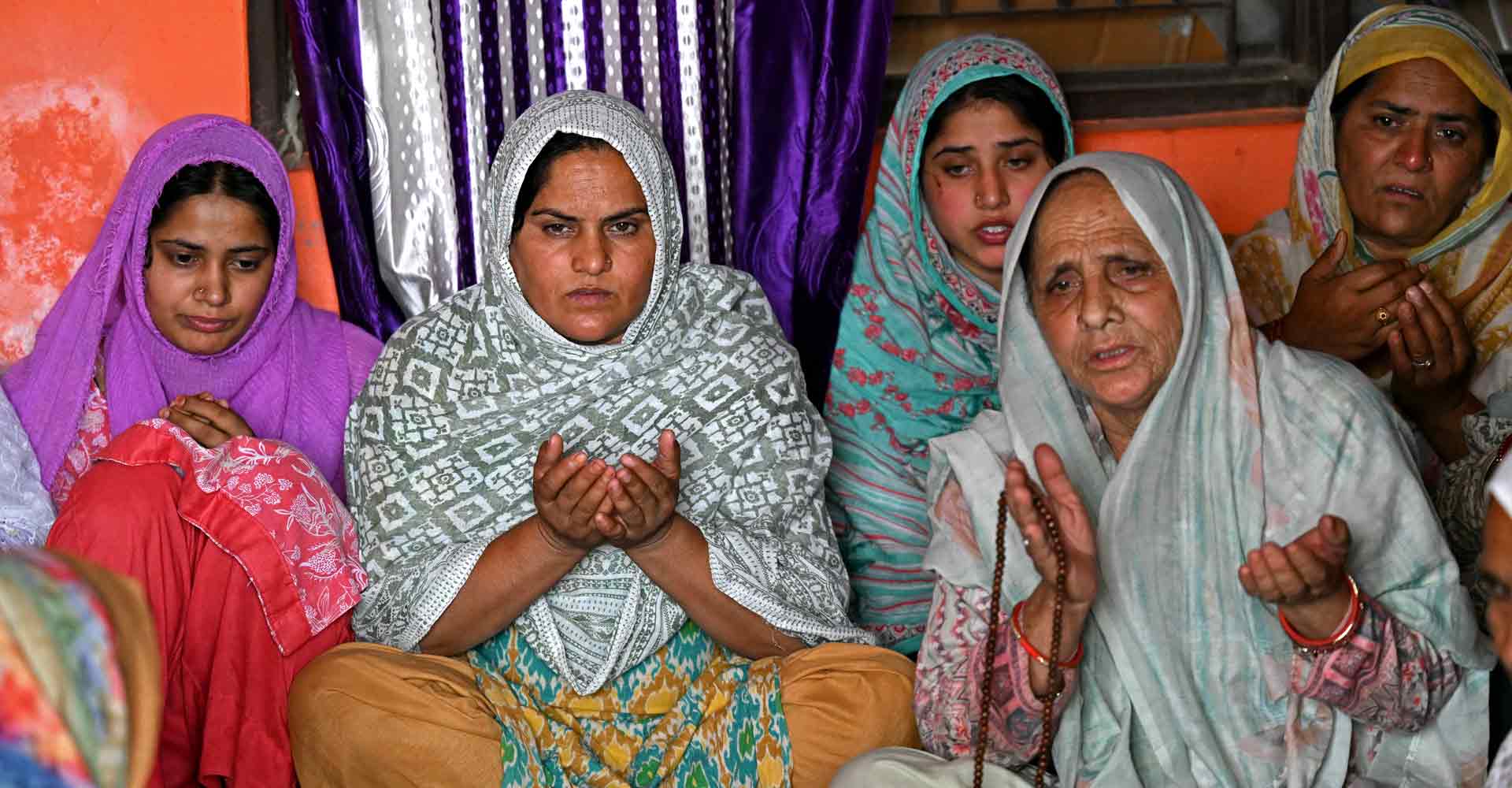
A home reduced to rubble
In Salamabad village, Uri, a man walks through the ruins of his house destroyed by Pakistani artillery shelling. The government said Pakistan launched a wave of drones and missiles overnight—attacks that India said were neutralised but not without civilian cost. Photo: AFP/Sajjad Hussain
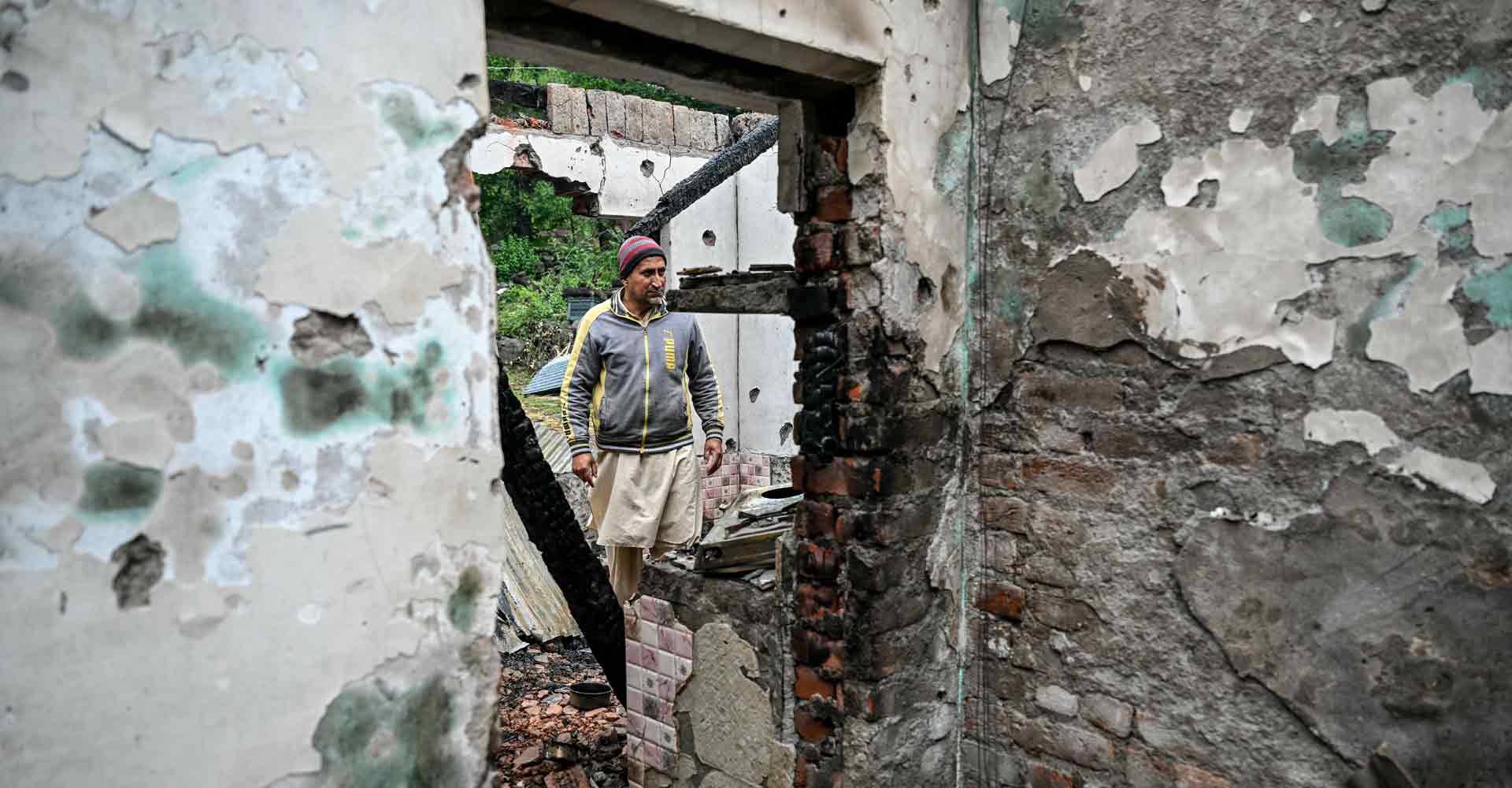
Reflections of war
The shattered glass of a house in Kalgi village, Uri, reflects the image of an elderly man surveying the damage. The physical destruction mirrors the psychological toll of living through nights of bombardment. Photo: AFP/Sajjad Hussain
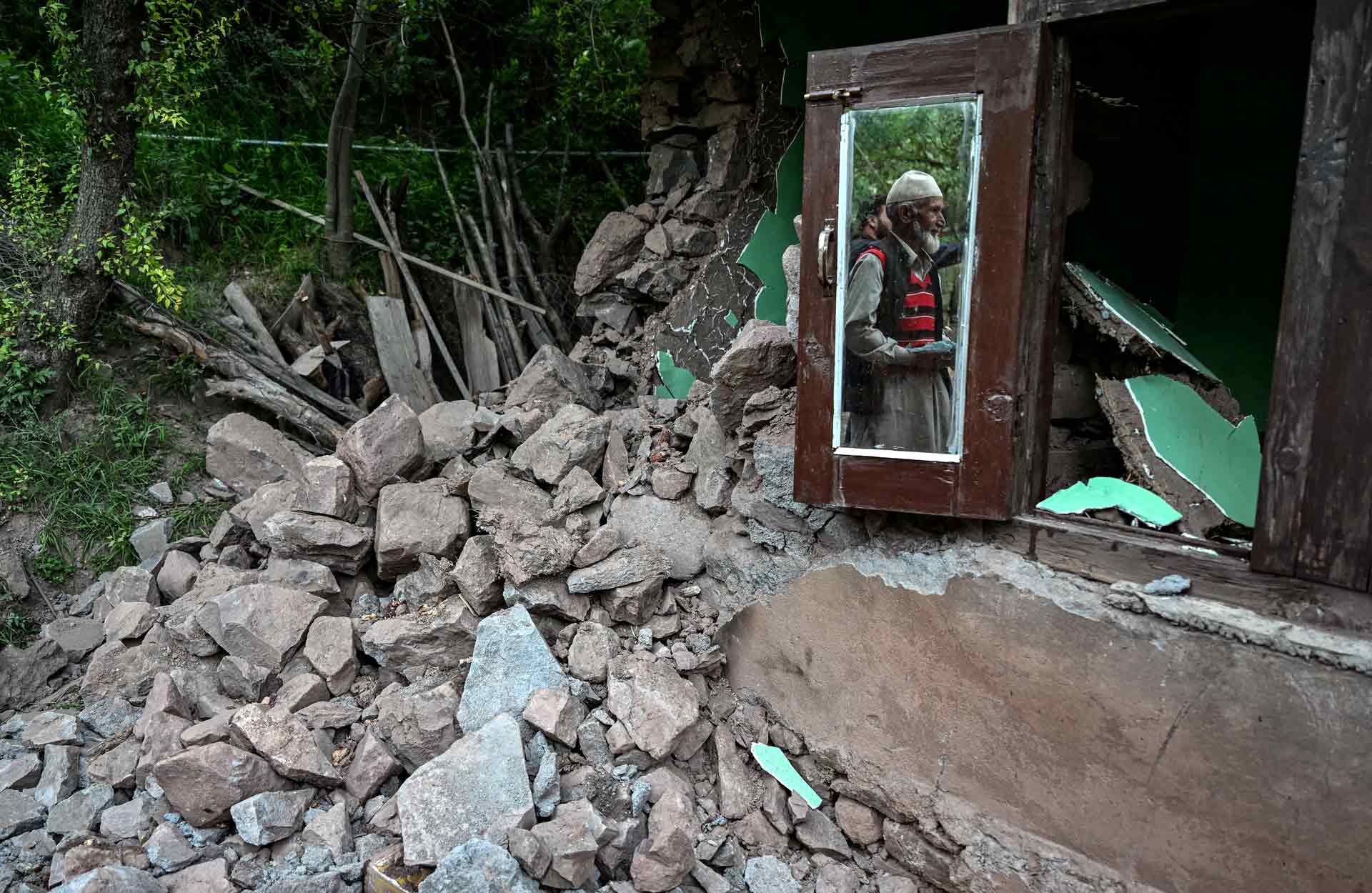
Names never forgotten
Sarfaraz Mir holds up a photograph of his 12-year-old twin cousins, Zian Khan and Urwa Fatima, who were killed while fleeing shelling in Poonch. Their deaths have become symbolic of the toll this conflict has taken on the youngest and most vulnerable. Photo: AFP/ Punit Paranjpe

A scar on the land
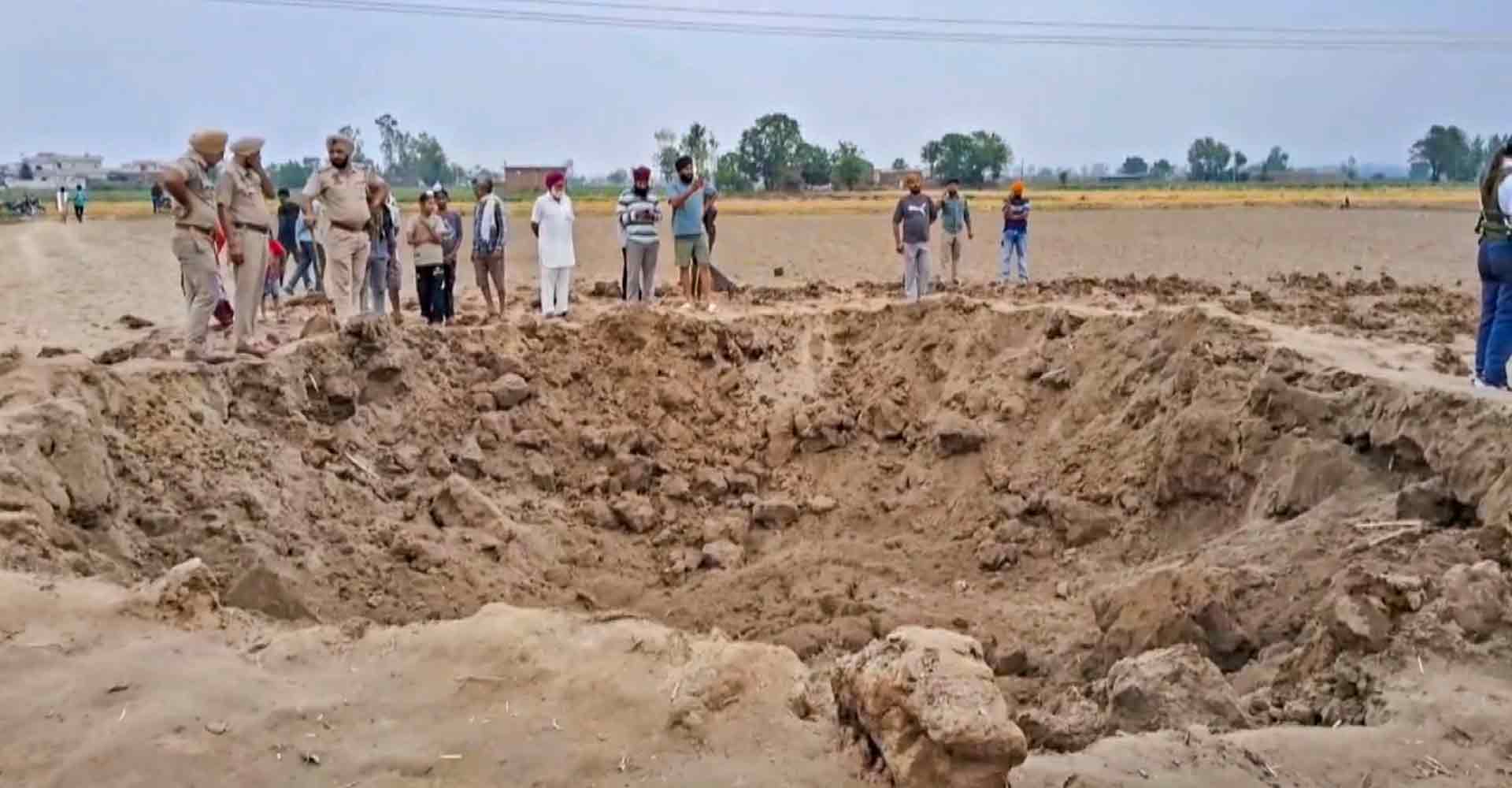
Police personnel and others stand beside a crater in an agricultural field in Rajubela Chhichhran, Gurdaspur district, Punjab, formed after an explosion amid drone strikes and shelling. Security forces have been working round the clock to neutralise Pakistani drones and unexploded ordnance, but the fear among villagers lingers. Photo: PTI
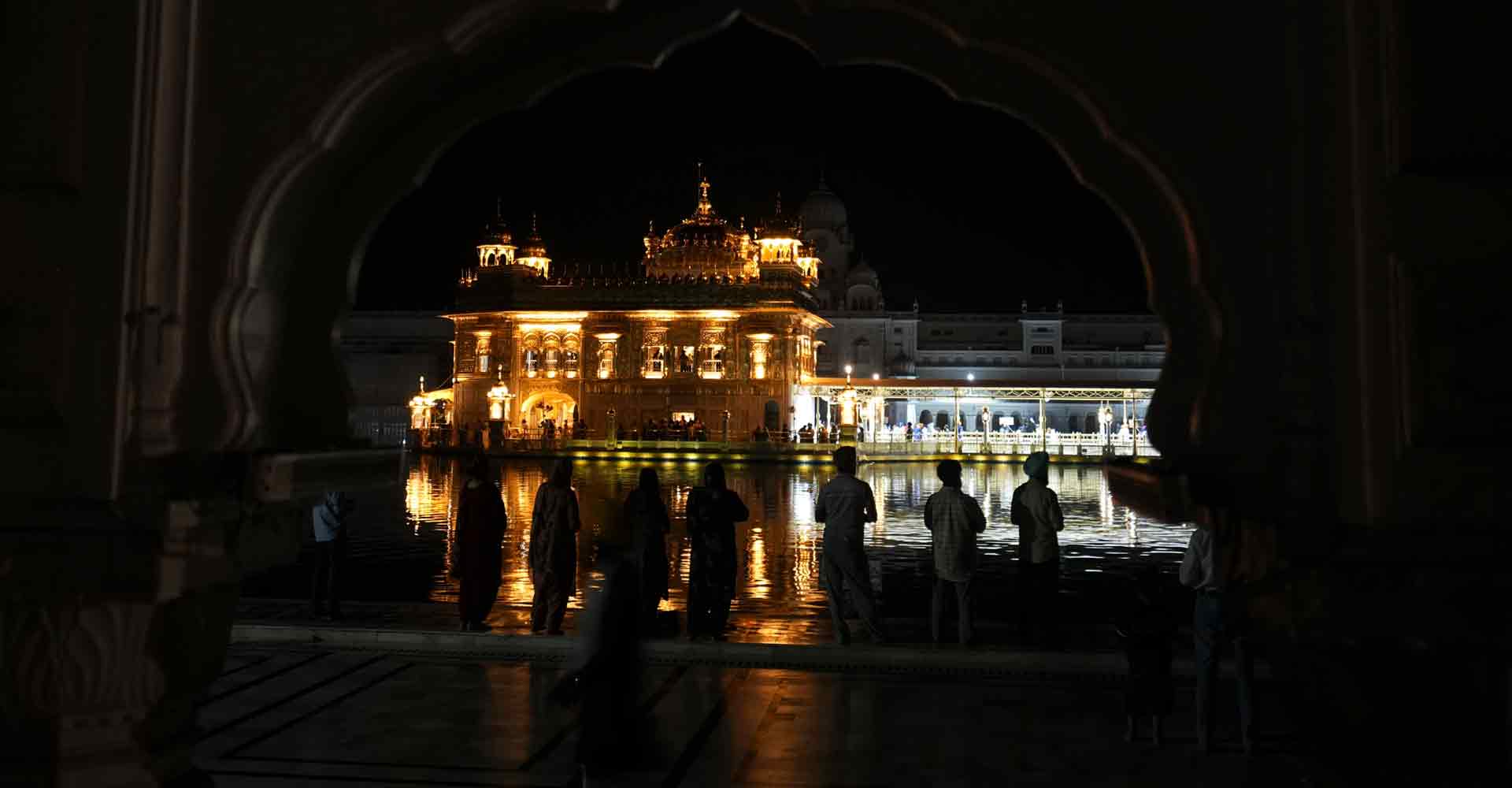
City of light goes dark
The Golden Temple, a symbol of peace and spirituality, lies in darkness during a blackout in Amritsar on May 8. As tensions flared, cities in Punjab went into precautionary blackouts—an eerie throwback to wartime drills. Photo: PTI
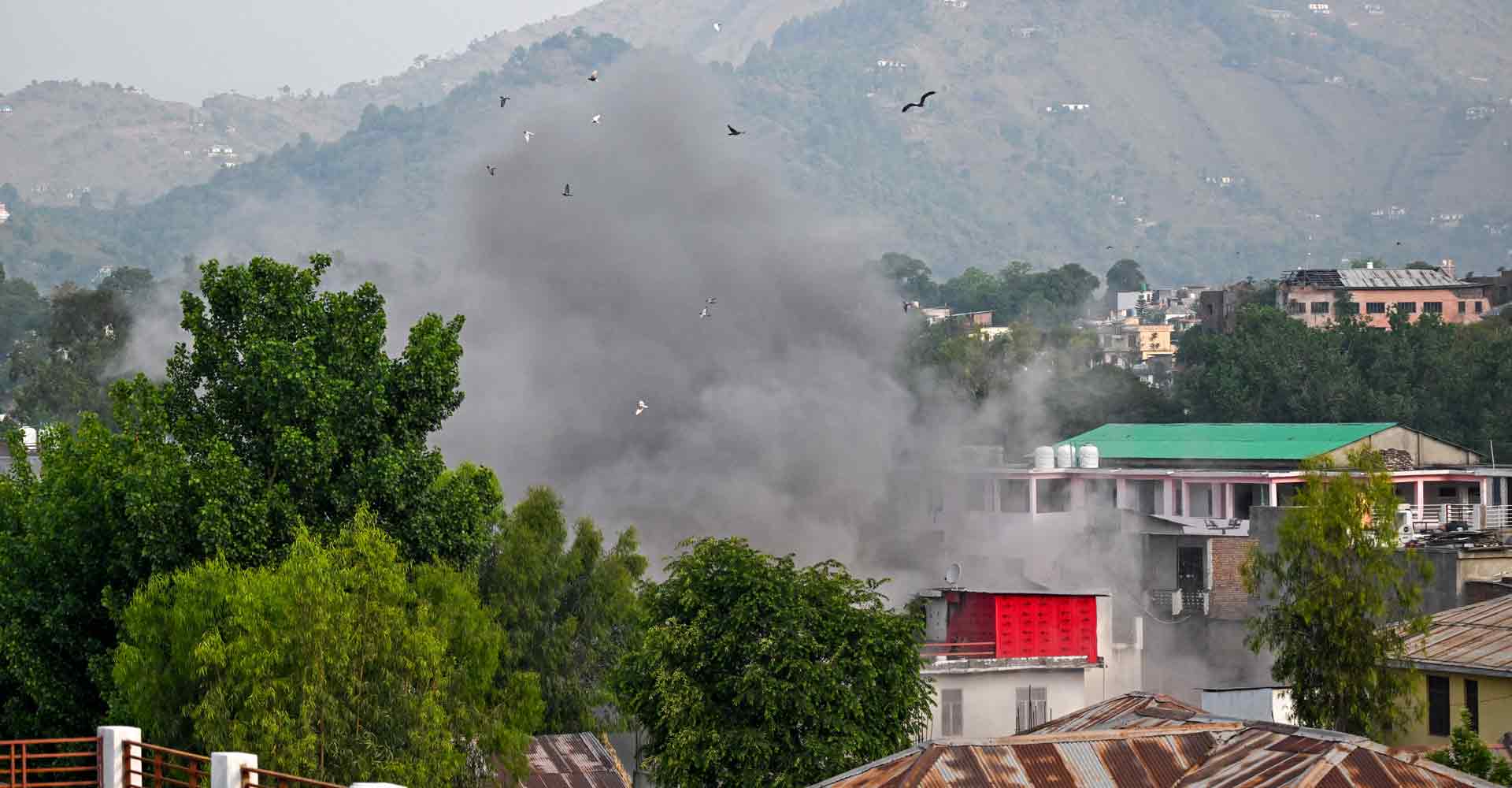
Fire from the skies
Smoke billows from Poonch town after an artillery shell landed during an intense spell of shelling on May 7. At least eight civilians were killed and nearly 30 wounded in one of the deadliest strikes in recent memory. Photo: AFP/ Punit Paranjpe
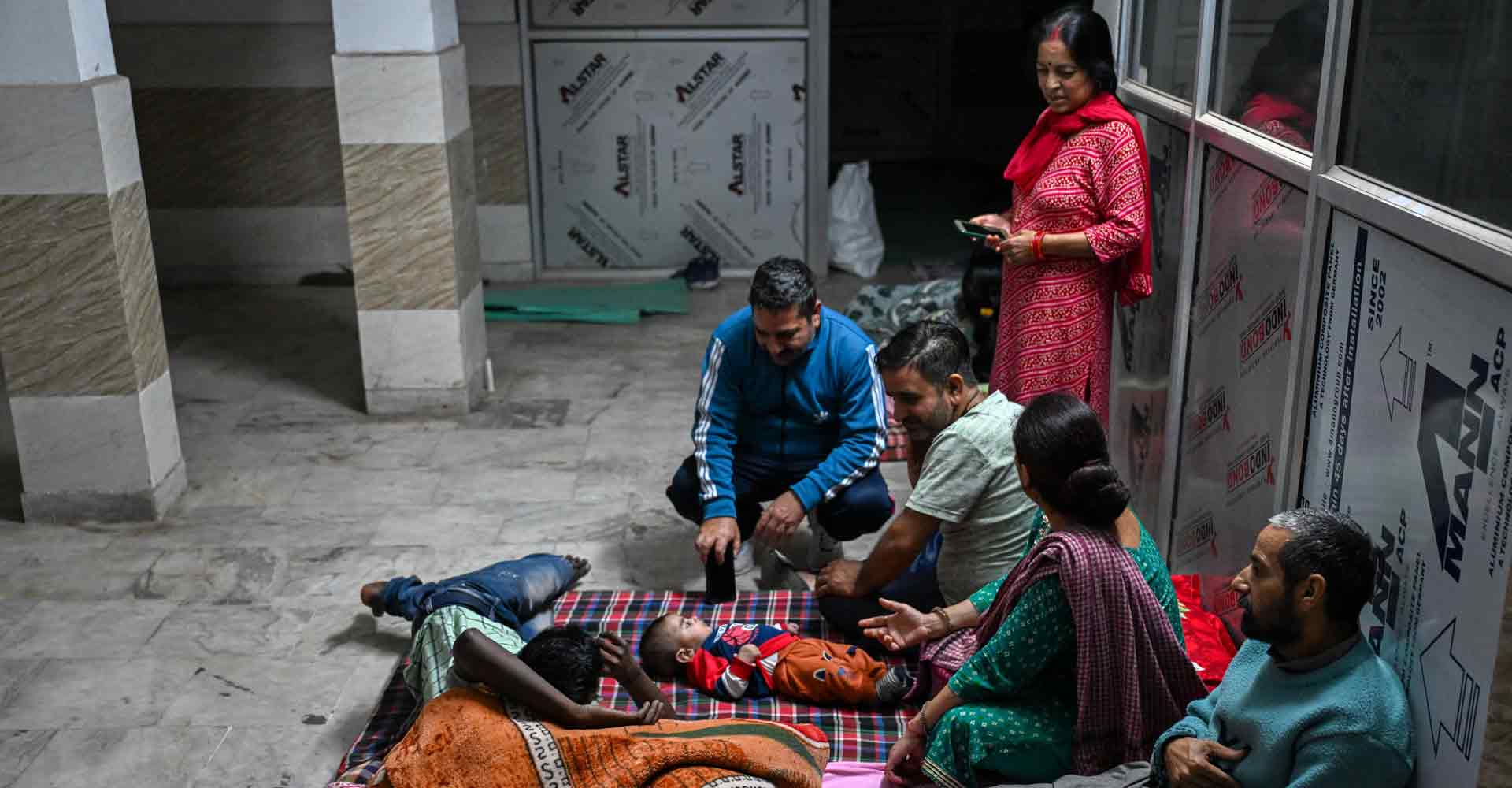
Basements become bunkers
Residents of Poonch huddle in the basement of a building, using it as a makeshift bunker during overnight shelling. As the conflict escalated, families were forced underground, sheltering from the storm above. Photo: AFP/ Punit Paranjpe
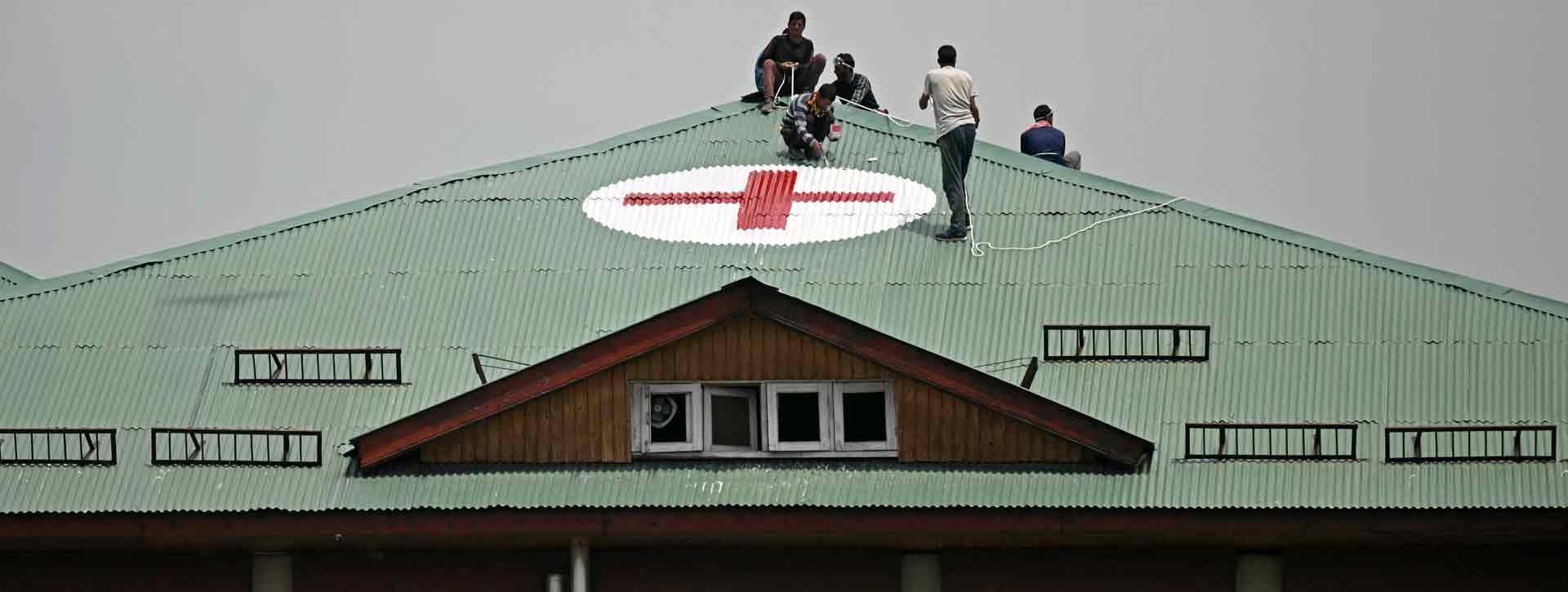
Red crosses for safety
In Srinagar, workers paint a red cross on the roof of a hospital to mark it as a non-military zone. With aerial and artillery attacks becoming more precise, even hospitals felt the need to visibly declare their neutrality. Photo: AFP/Sajjad Hussain
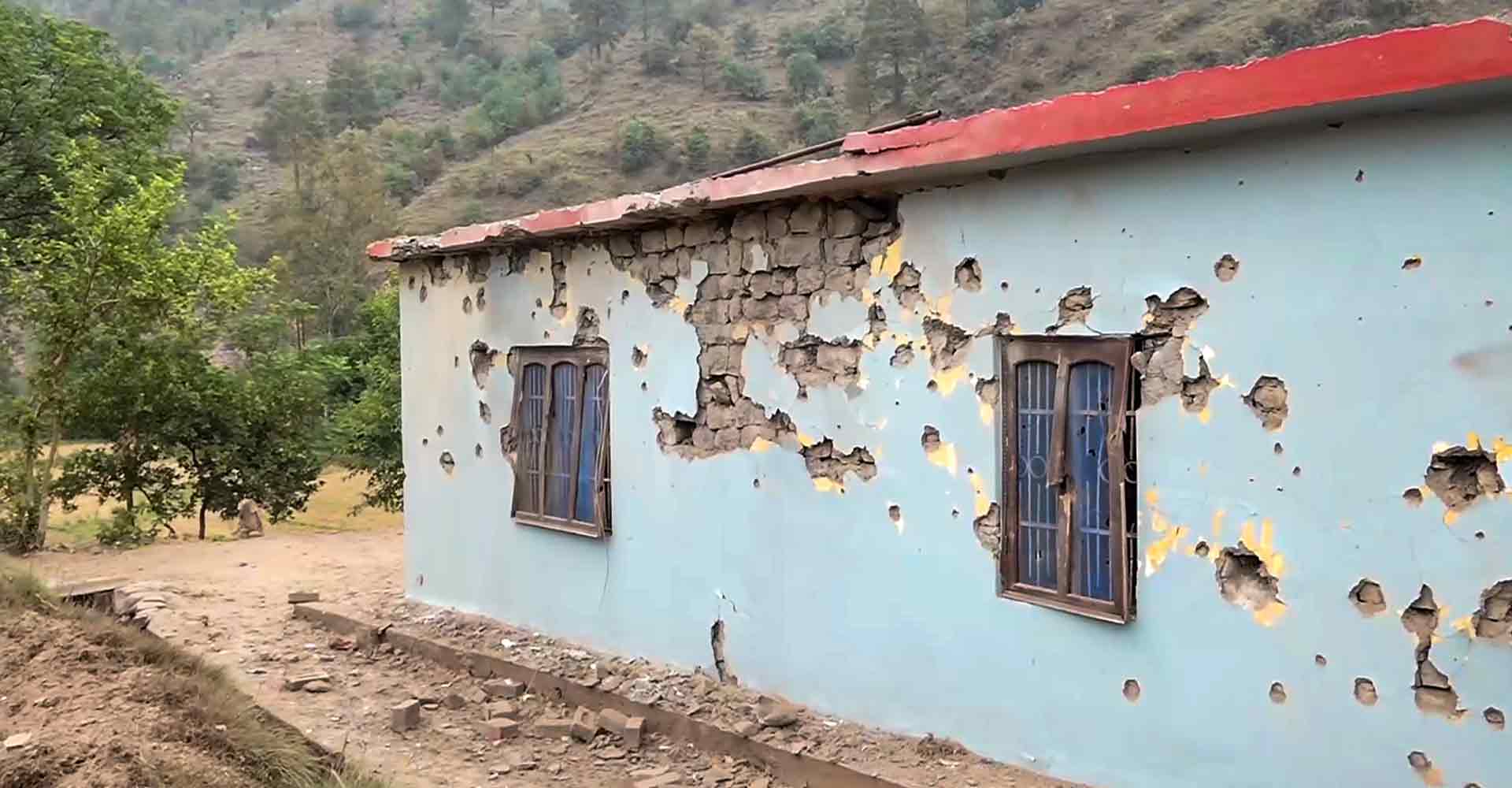
Lives lost, homes shattered
A property in Rajouri district lies in ruins after overnight shelling on May 7. At least three civilians were killed and several more injured as artillery fire rained down on border villages. Photo: PTI
Unknown threats
In Barmer, Rajasthan, the debris of an unidentified flying object lies in a field—another grim reminder that no region is truly out of reach during modern military conflict. Photo: PTI

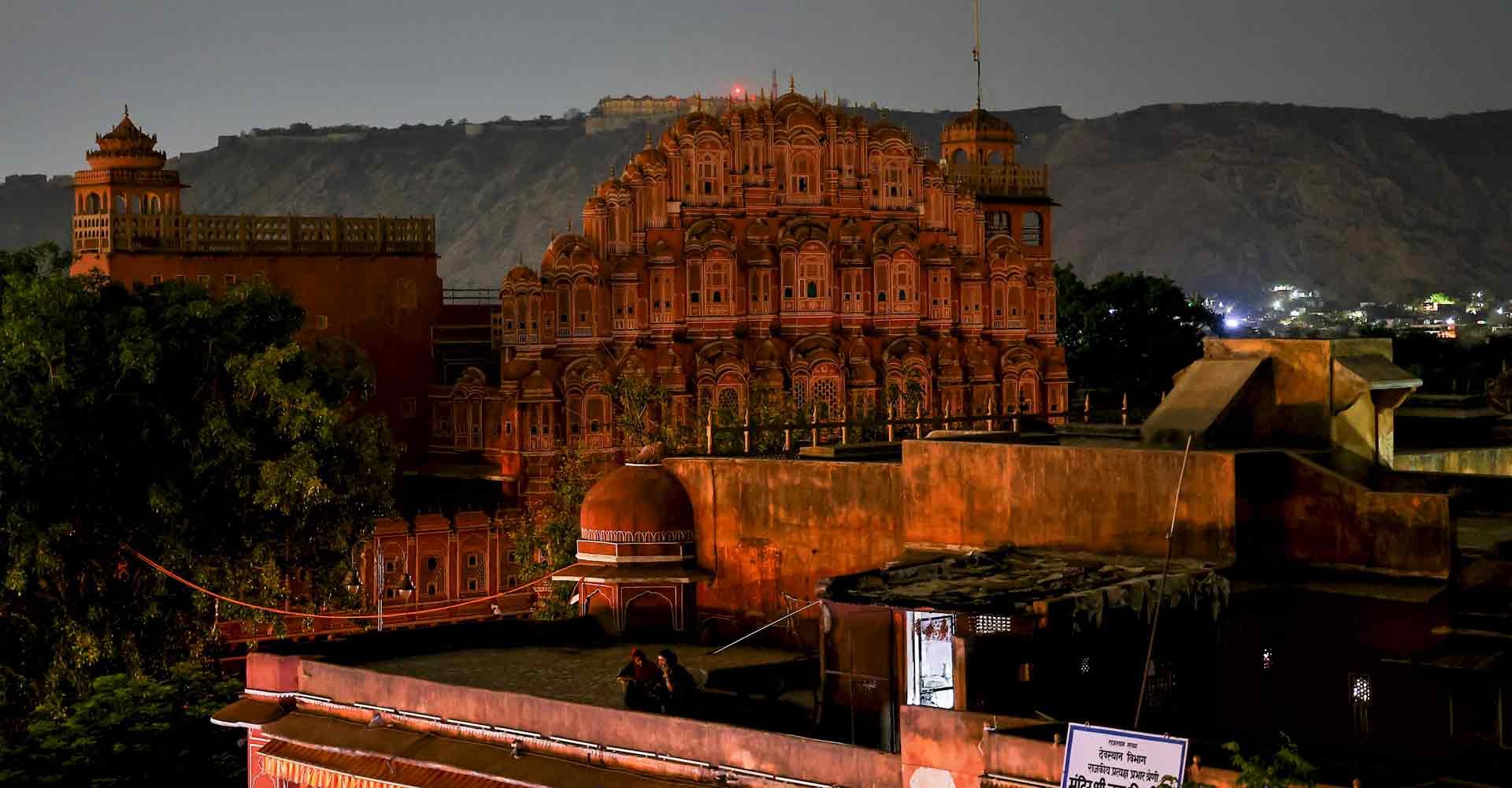
Blackouts in the Pink City
Even Jaipur, far from the border, went dark during a nationwide civil defence drill. Lights were switched off at Hawa Mahal as a symbolic show of preparedness amid national anxiety over the spiralling crisis. Photo: PTI
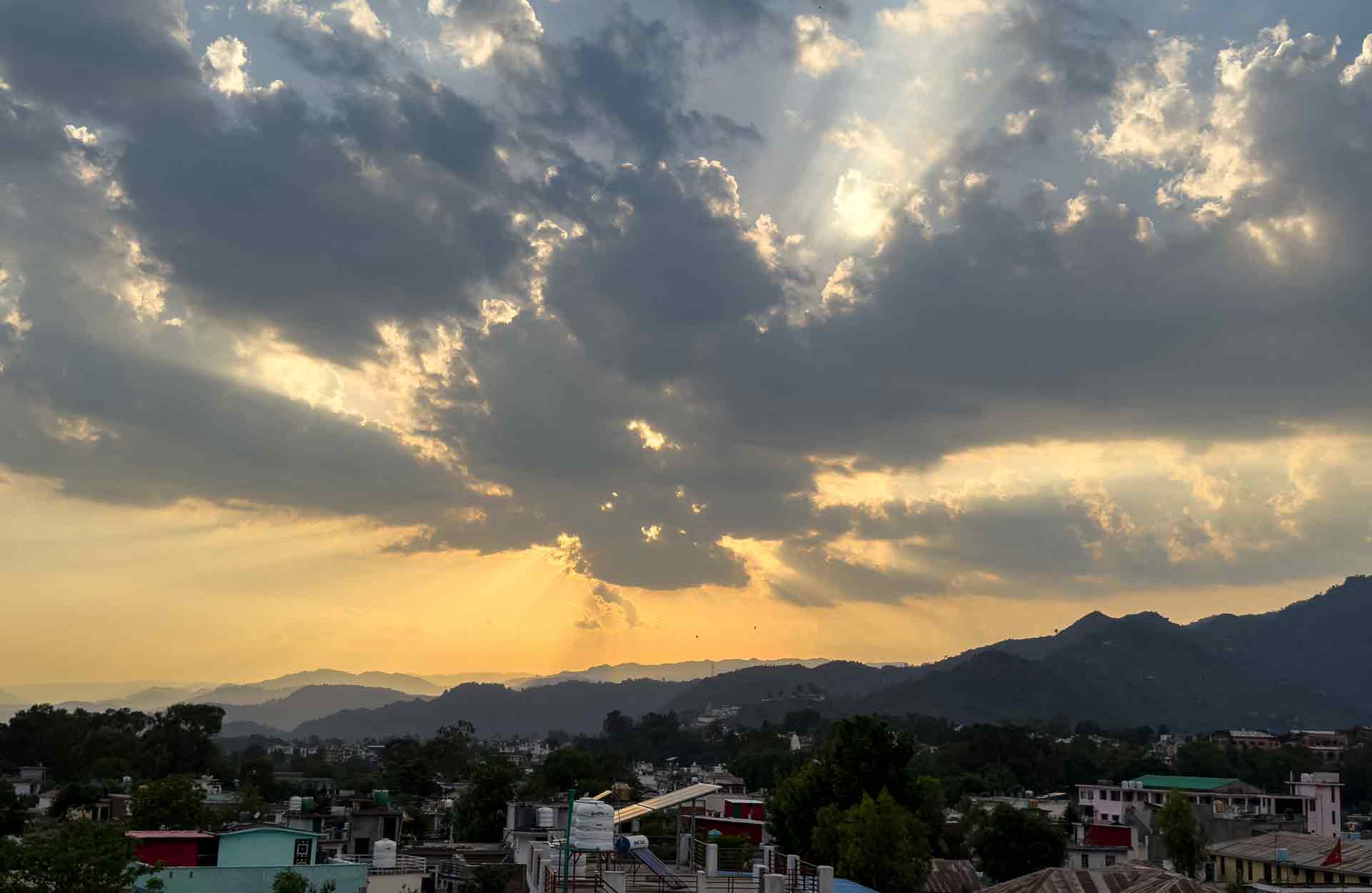
A pause in the storm
Clouds hover over Poonch district in Jammu just hours after a ceasefire was announced on May 10. While the guns have gone silent, the memory of chaos, loss, and fear remains with those who endured it. For thousands of Indians living in border states, the war has left behind broken homes, grieving families, and a deep yearning for lasting peace. Photo: AFP/ Punit Paranjpe
 Add as a preferred source on Google