

Justice Yashwant Varma impeachment: Lok Sabha Speaker forms 3-member panel to probe misconduct charges
Mail This Article


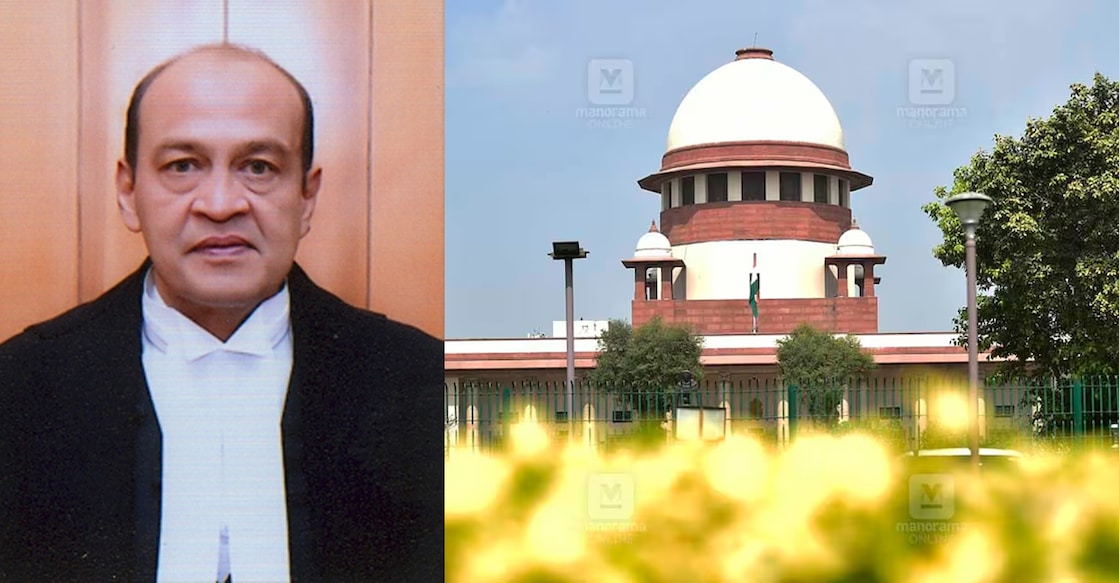
New Delhi: Lok Sabha Speaker Om Birla on Tuesday constituted a three-member committee to investigate allegations of misconduct against Allahabad High Court judge Justice Yashwant Varma.
The panel will be headed by Supreme Court judge Justice Aravind Kumar, with Madras High Court Chief Justice Manindra Mohan Shrivastava and jurist B V Acharya as members. The decision follows an in-house inquiry report that found Justice Varma guilty in connection with the “cash discovery” incident at his official residence in March.
The Supreme Court had dismissed Justice Varma’s plea challenging the validity of the in-house inquiry and its findings. The top court upheld the procedure adopted by then Chief Justice of India Sanjiv Khanna, ruling it was “legal, valid and in order”.
The case stems from the March 14 discovery of wads of burnt cash after a fire broke out in the storeroom of Justice Varma’s official residence in Delhi. The in-house panel, set up by then CJI Sanjiv Khanna, found the judge’s conduct questionable. CCTV visuals and photographs of the fire-fighting operation were uploaded on the Supreme Court’s website — an action the bench later said was unnecessary, but not legally consequential since Justice Varma had not objected at the time.
The court noted that the CJI is duty-bound to maintain the “purity and integrity” of the judiciary and need not wait for Parliament to act in cases of serious misconduct. Sending the report to the President and Prime Minister with a recommendation for removal, the court held, was constitutional.
The apex court concluded that Justice Varma’s fundamental rights were not violated and that the in-house inquiry adhered to due process. The judge has been granted liberty to raise his defence if impeachment proceedings are initiated in Parliament.
Process of removal
Under Articles 124(4) and 218 of the Constitution, Supreme Court and High Court judges can be removed for “proven misbehaviour or incapacity” through a motion passed by both Houses of Parliament and an order by the President.
The Judges (Inquiry) Act, 1968, outlines the process. An impeachment motion can be introduced in either House if signed by at least 100 Lok Sabha MPs or 50 Rajya Sabha MPs. If admitted by the presiding officer, a three-member panel — comprising a Supreme Court judge, a High Court Chief Justice, and a distinguished jurist — conducts an inquiry.
If the panel clears the judge, the matter ends. If found guilty, the motion is debated and voted upon in both Houses, requiring a special majority (two-thirds present and voting, and not less than half the total strength). If passed in both Houses, Parliament addresses the President to remove the judge.
 Add as a preferred source on Google