

Onmanorama Explains | Why is India scrapping its job guarantee scheme MGNREGA? What’s new in VB-G RAM G?
Mail This Article


The government has moved to replace one of India’s most significant social welfare laws, the Mahatma Gandhi National Rural Employment Guarantee Act (MGNREGA), with a new legislative framework aimed at expanding rural work opportunities and modernising employment support. But the proposed changes have triggered sharp political debate, with critics arguing that renaming and restructuring the scheme could undermine its core promise. Here’s a clear breakdown of what the new bill entails, what is changing, and why the move has become controversial.
What is the new bill about?
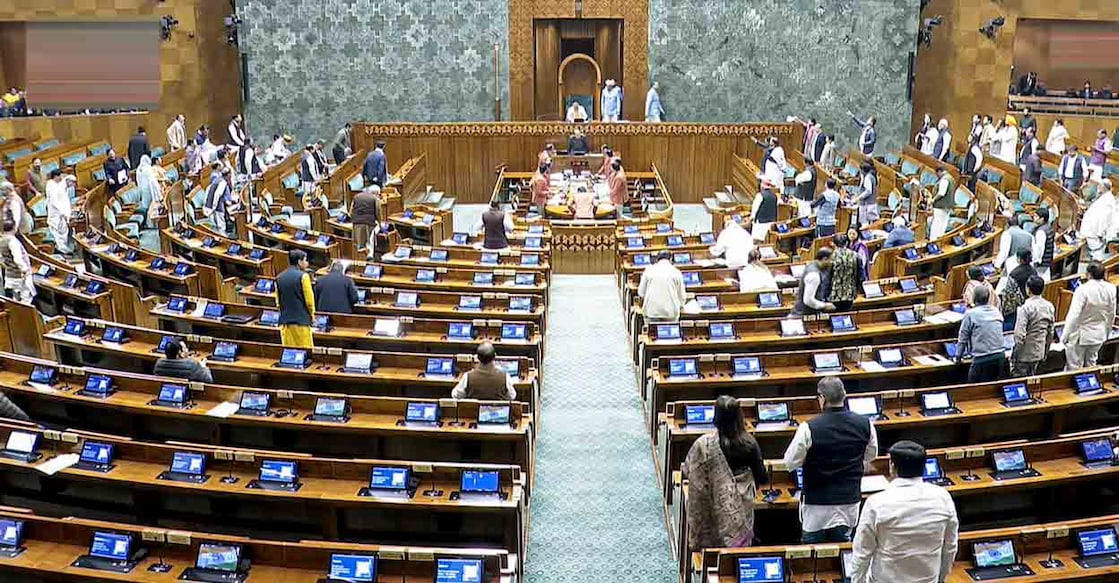
The Viksit Bharat Guarantee for Rozgar and Ajeevika Mission (Gramin) Bill, 2025 (VB-G RAM G) is set to be introduced in the Lok Sabha as a replacement for the long-standing MGNREGA, which was enacted in 2005 and later renamed in 2009. The bill seeks to align rural employment policy with the government’s broader Viksit Bharat 2047 vision.
Under the proposed law:
- The employment guarantee is raised to 125 days per financial year for rural households whose adult members volunteer for unskilled manual work, up from the 100 days guaranteed under MGNREGA.
- The bill is designed to establish a rural development framework with emphasis on infrastructure, water security, livelihood assets and resilience against extreme weather.
- It proposes shared funding between the Centre and states, marking a change from MGNREGA’s largely centralised financing structure.
- For the first time, states are allowed to pause employment guarantee work during peak agricultural seasons so that labour remains available for farming needs.
- The framework includes digital monitoring systems such as biometric authentication, GPS-enabled worksite tracking and real-time dashboards to improve transparency and accountability.
- The government argues that these changes will modernise governance, enhance convergence of rural plans with national development programmes, and better address local needs.
What’s new compared with MGNREGA?
MGNREGA was introduced in 2005 to provide a rights-based guarantee of at least 100 days of wage employment to rural households seeking unskilled work, aiming to bolster livelihood security and reduce distress migration. The new bill retains the idea of wage employment but shifts the scheme’s architecture, focusing more on rural infrastructure creation, proactive planning and a redefined balance of state and central roles.
Why has the bill sparked controversy?
Much of the opposition’s criticism has centred on the renaming of the scheme and its perceived ideological implications, particularly the removal of “Mahatma Gandhi” from the programme’s title.
Critics argue that the renaming is symbolic rather than substantive and could distract from persistent issues such as delayed wage payments, low wages and funding shortfalls. Some parties have alleged that the move reflects a broader pattern of rebranding existing programmes.
Opposition leaders have also described the renaming exercise as unnecessary and wasteful, arguing that it will lead to administrative costs related to changes in paperwork, systems and signage without delivering tangible benefits to workers.
Another major criticism is that the new bill shifts a greater financial burden onto state governments. Since expenditure beyond the Centre’s approved allocation will have to be borne by states, opposition leaders warn that this could disproportionately hurt opposition-ruled states and allow the Centre to exert greater control by cutting or limiting funds.
 Add as a preferred source on Google