

Older BS-III vehicles may need minor part replacements while using E20 fuel: Gadkari
Mail This Article


As the public remains wary of the use of E20 fuel — a petrol blend containing 20 per cent ethanol — the Centre on Wednesday offered some clarity, stating that certain rubber parts and gaskets in BS-III vehicles manufactured before 2016 may require replacement.
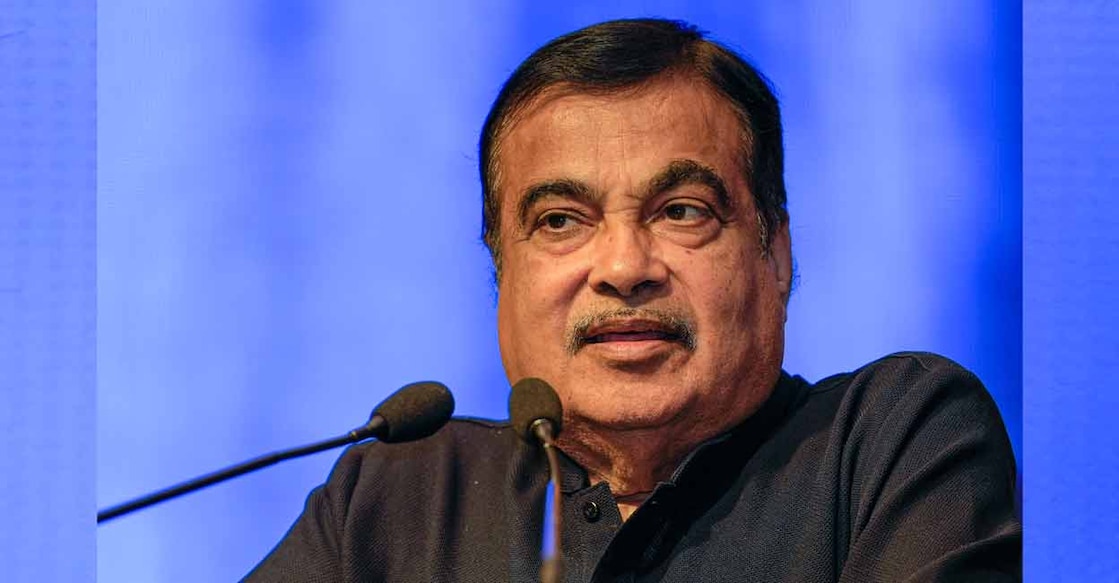
In a written reply to the Rajya Sabha, Union Road Transport and Highways Minister Nitin Gadkari said that some rubber parts and gaskets in BS-III vehicles introduced from April 1, 2005, and manufactured before 2016 may need to be replaced when operated with E20 fuel.
Responding to concerns over the fuel's impact on mileage, Gadkari said automobile manufacturers and vehicle testing agencies have clarified that vehicle mileage is influenced by several factors beyond the type of fuel used.
He further said that a study evaluating the effects of E20 fuel on two-wheelers and four-wheelers was conducted jointly by Indian Oil Corporation Limited (IOCL), the Indian Institute of Petroleum (IIP), Dehradun, the Society of Indian Automobile Manufacturers (SIAM), and the Automotive Research Association of India (ARAI). According to the minister, the findings were encouraging.
Gadkari said the studies found no need to modify car or two-wheeler engines for the use of E20 fuel.
According to him, the studies also showed that even legacy vehicles did not exhibit any significant variation in performance or abnormal wear and tear when operated on E20 fuel.
He added that no issues were reported in parameters such as drivability, startability, metal compatibility, or plastic compatibility.
"Only in the case of BS-III vehicles introduced from April 1, 2005, and manufactured prior to 2016, some rubber parts and gaskets may require replacement, which can be easily managed during the vehicle's routine servicing," he said.
The minister also noted that an Inter-Ministerial Committee (IMC), constituted under NITI Aayog on December 26, 2020, comprehensively examined vehicle compatibility and mileage-related aspects of ethanol blending. The assessment was supported by research conducted by IOCL, ARAI and SIAM.
The committee's Roadmap for Ethanol Blending in India 2020–25, released in June 2021, was prepared after extensive consultations with automobile manufacturers, oil marketing companies and agricultural experts. It examined material compatibility, engine calibration, fuel systems, drivability, durability, emissions and fuel efficiency before the introduction of E20 fuel.
The rollout of E20 petrol — comprising 80 per cent petrol and 20 per cent ethanol — has drawn criticism from opposition parties and consumer groups, who have raised concerns about its impact on older vehicles that were not specifically designed for the higher ethanol blend.
Critics have questioned whether all vehicles are fully compatible with E20, flagged the possibility of reduced fuel efficiency and higher maintenance costs, and sought clarity on liability in the event of engine or fuel system damage.
The government has maintained that the transition has been phased and backed by extensive testing, while automobile manufacturers have said they continue to honour warranty claims for vehicles using E20 fuel. Opposition parties have repeatedly sought greater transparency on vehicle compatibility and consumer safeguards.
India's Ethanol Blended Petrol (EBP) Programme began as a pilot project in 2001, with E5 fuel introduced in 2006. Although ethanol blending remained at around 1.53 per cent until 2013–14, it has since increased progressively through a calibrated rollout supported by expanded production capacity, infrastructure and the necessary regulatory framework.
(With PTI inputs)
