

Supreme Court to hear plea to save Nimisha Priya two days before execution date
Mail This Article


New Delhi: The Supreme Court on Thursday agreed to hear a petition seeking urgent intervention by the Centre to save Nimisha Priya, a Kerala nurse on death row in Yemen, from execution scheduled on July 16.
A bench comprising Justices Sudhanshu Dhulia and Joymalya Bagchi posted the matter for hearing on July 14 before a regular bench. Advocate Subhash Chandran KR, representing the petitioner, urged that immediate diplomatic efforts are needed to prevent the execution.
Senior advocate Ragenth Basant and Chandran suggested that the possibility of paying blood money to the victim’s family, permitted under Sharia law, should be explored, which could potentially lead to a pardon.
The court directed Chandran to serve a copy of the petition to the Attorney General and sought the Centre's response on the steps taken so far.
“Considering the urgency of the matter, we request the Union Government to apprise this Court, through the Attorney General, of any measures already initiated,” the bench stated.
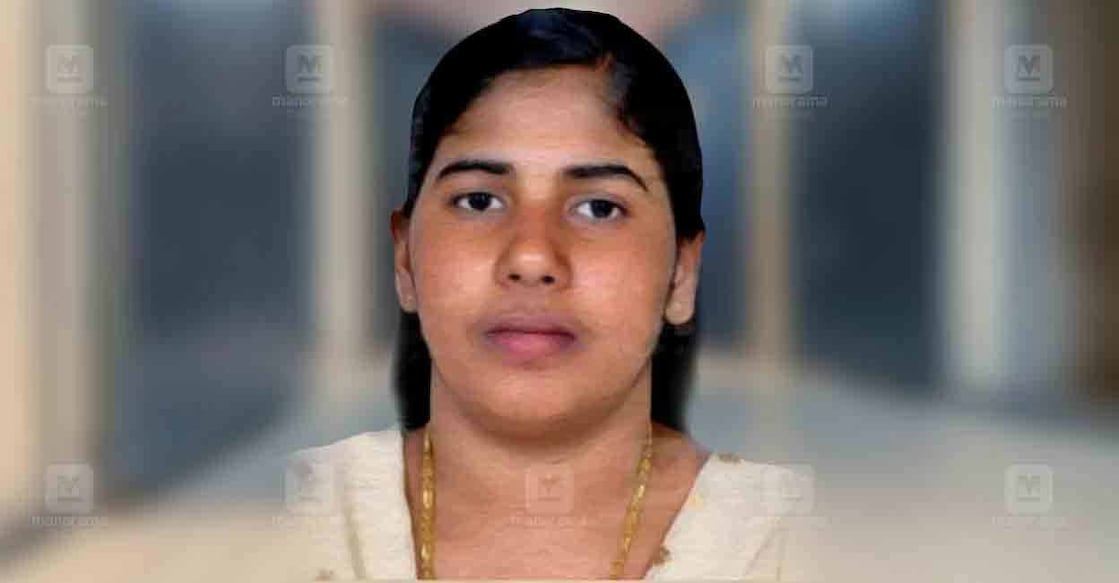
Nimisha Priya, 38, hailing from Palakkad, was sentenced to death in 2020 for the 2017 murder of her Yemeni business partner, Talal Abdo Mahdi. Her final appeal was rejected in 2023, and she is currently lodged in a prison in Sana’a.
The plea, filed by the Save Nimisha Priya International Action Council, cited media reports indicating July 16 as the tentative date set for execution.
According to the petition, Nimisha had partnered with Mahdi in 2015 to open a clinic in Sana’a, as Yemeni law requires a local sponsor for foreign businesses. Mahdi later visited Kerala with her and allegedly stole and tampered with a wedding photo to falsely claim he was married to her.
The plea alleges that Mahdi embezzled clinic funds, forged documents, and subjected Nimisha to sustained abuse and torture. It claims he confiscated her passport, held her hostag, and repeatedly threatened her at gunpoint.
In July 2017, Nimisha allegedly attempted to sedate Mahdi to retrieve her passport. The sedatives caused his death due to an overdose, the plea states. It further contends that she was denied proper legal representation amid Yemen’s civil unrest and was forced to sign confessions in Arabic.
After exhausting all legal remedies in Yemen, the only remaining option, the petition says, is to negotiate a pardon through the payment of blood money to Mahdi’s family, as allowed under Yemeni law. The Supreme Court will take up the matter on July 14.
 Add as a preferred source on Google