

Aided school appointments: Kerala mulls legal steps to expand SC relief for NSS management
Mail This Article


Thiruvananthapuram: The Kerala government on Monday said it will take necessary legal steps to examine how the recent Supreme Court ruling — which allowed the regularisation of appointments in aided schools under the Nair Service Society (NSS) management, except for posts reserved for differently abled persons — can be extended to other school managements across the state.
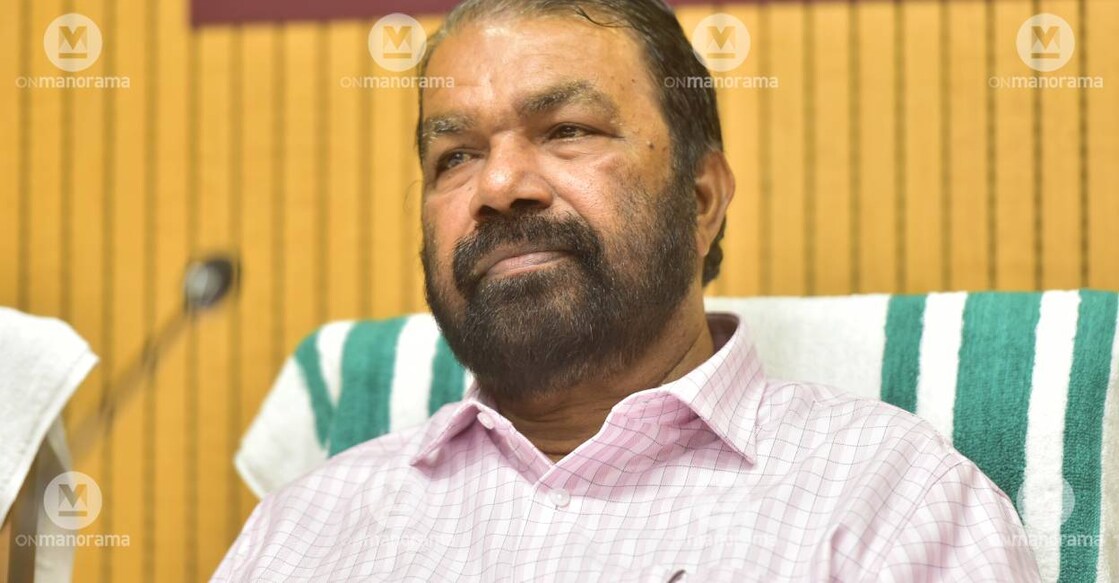
General Education Minister V Sivankutty said the state will present its stand before the apex court when the matter comes up for further consideration. “The government will ensure the full rights of differently abled persons while also addressing the genuine concerns of school managements and the teaching community. The move aims to find a comprehensive and lasting solution to the issue and could mark the beginning of a new chapter in Kerala’s education sector,” Sivankutty said after a meeting chaired by the Chief Minister on Monday, which senior officials of the General Education Department attended.
The decision follows strong opposition from several school managements, particularly those under the Catholic Church, over the government’s handling of appointments for differently abled candidates in aided schools.
The Supreme Court allowed the regularisation of teaching and non-teaching posts — other than those reserved for differently abled persons — under the NSS management in March. Following this, several other managements approached the government seeking similar consideration. “However, the legal advice received by the government clarified that the current order applies only to NSS management. Recognising the long-pending nature of this issue, the government decided to find a long-term solution,” the minister explained.
Sivankutty said multiple related cases concerning teacher and differently abled appointments are currently before the court. “A final verdict is needed before the state can take further action,” he added.
Reaffirming the government’s commitment to social justice, Sivankutty said ensuring the rights of differently abled persons is a constitutional obligation and a key policy of the state. “The reservation for those candidates in aided schools has faced several legal complications over the years, delaying the appointments of many eligible,” he said.
Explaining the background, Sivankutty noted that the 1995 Persons with Disabilities (PWD) Act mandated a 3 per cent reservation, which was raised to 4 per cent under the 2016 Rights of Persons with Disabilities (RPWD) Act. "A 2018 government order directed the identification and rectification of backlog vacancies since 1994 — a major step towards implementation. Though some managements challenged the order in the High Court and the Supreme Court, both upheld the government’s decision, making implementation mandatory. However, delays in addressing backlogs led to obstructions in new appointments since November 18, 2018," the minister added.
"To address the confusion, the government issued several circulars and orders. As per a March 23, 2024, government order, provisional approval and salaries were granted to those appointed in posts reserved for differently abled persons, with reappointments assured once eligible candidates became available," he stated.
"Subsequently, the court directed the formation of district and state-level committees to oversee the process," Sivankutty said and added that complaints were received about employment exchanges not forwarding names of eligible candidates, and corrective steps have since been taken. These committees have been recommending appointments since June 28, 2025.
 Add as a preferred source on Google