
Waste dumping behind Kerala's amoebic encephalitis rise, says Dr Haris; N Prasanth responds with a quip
Mail This Article


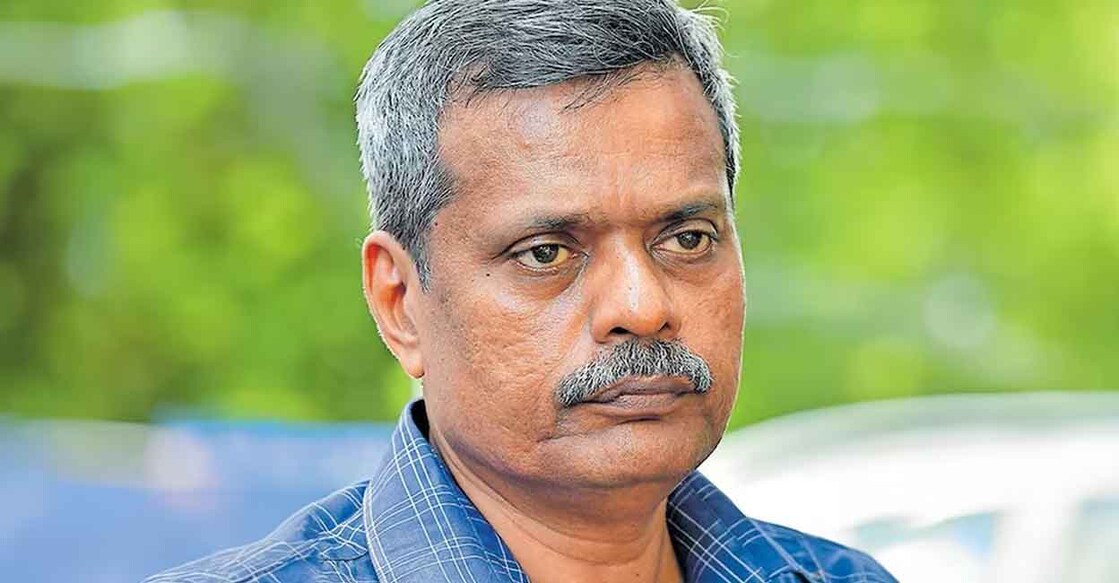
Thiruvananthapuram: The alarming rise in amoebic meningoencephalitis cases in Kerala is the direct outcome of unchecked waste dumping and poor hygiene, according to Dr Haris Chirackal, Head of the Urology Department at Thiruvananthapuram Medical College.
Dr Haris, known for previously flagging systemic lapses and equipment shortages in government medical colleges, made the observation in a Facebook post on Sunday.
“About 140 people have so far been affected by amoebic meningoencephalitis, and 26 have died. Interestingly, no such cases have been reported from neighbouring Tamil Nadu, Karnataka, or other states. There’s no need for major research to find the reason — it’s simply due to waste dumping,” he wrote.
He added that diseases as “filthy and unheard of as this,” which were rare two or three decades ago, stemmed from a single cause — the lack of hygiene. “We are now paying the price for dumping waste from slaughterhouses, hotels, and septic tanks into ponds and rivers. Diseases like rat fever and mosquito-borne dengue, and even the menace of stray dogs, are all indicators of this filth. It’s the collective responsibility of society to fix this. Blaming doctors won’t help,” he said.
Suspended IAS officer N Prasanth also joined the discussion, remarking, “Do not tarnish the image of amoeba in Kerala, some might say. But unless the real issue is discussed openly, without trying to hide it, there can be no real solution”
Dr Chirackal responded, “Yes, Sir. We can change. We are a community that is willing to change if we point out the mistakes.”
While several users commented that other states might simply be underreporting similar cases, Dr Haris dismissed the argument, saying such denial was “equivalent to closing your eyes to feign ignorance.”
Responding to another comment suggesting that amoeba was found in well water and not just polluted sources, he explained, “It is the water in reservoirs that later reaches the wells as underground water — through soil, and cracks in the earth. Some reading and knowledge is good. Better write comments then.”
 Add as a preferred source on Google