

Munambam land dispute: Kerala HC tells dist collector not to ‘overstep’ order on tax acceptance
Mail This Article


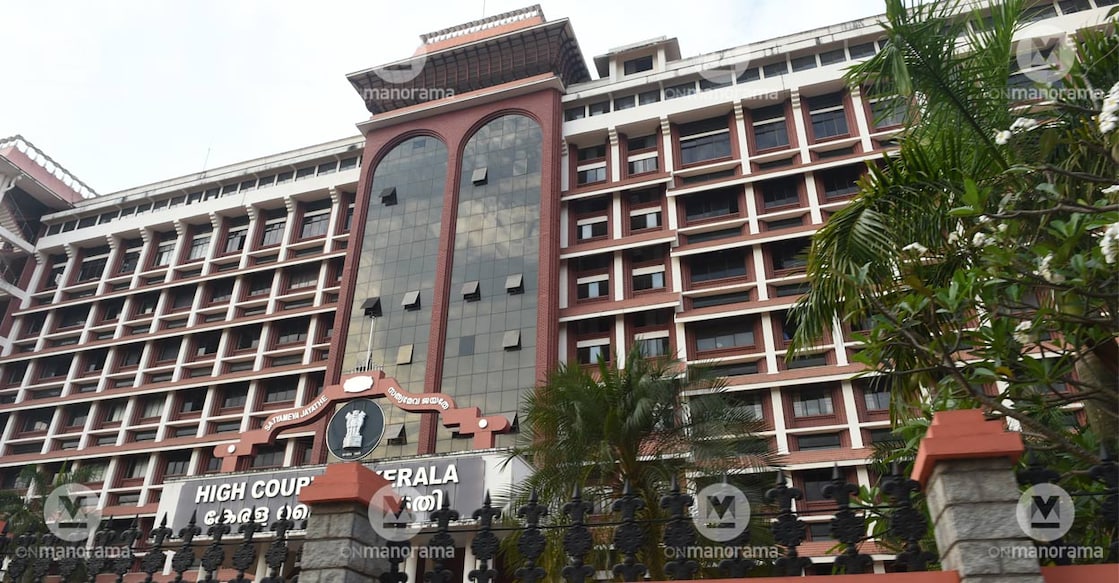
The Kerala High Court on Thursday directed the Ernakulam District Collector not to “overstep” its interim order that permitted the acceptance of land tax from residents occupying the disputed Munambam land, which the State Waqf Board claims as waqf property.
Justice C Jayachandran was informed that revenue authorities had gone beyond the court’s earlier direction by allowing mutation and issuing Register of Rights (RoR), actions not covered by the interim order.
Responding to the submission, the court orally observed:
“They say there has been a violation of the interim order or rather, an overstepping of the interim order. The order only permitted payment of tax. The collector has gone into…No, let there not be further action based on it.”
The court was hearing a batch of petitions, including one filed by the Bhoo Samrakshana Samithy and others claiming ownership over the land. It subsequently issued a fresh interim direction, stating:
“This Court prima facie finds merit in the submission made by the learned counsel for the petitioner in WPC 36063/2022. In these circumstances, there will be a direction to the District Collector not to issue any further orders for effecting mutation, for issuance of RoR, and the like except what has been permitted by the interim order, to receive tax...Further, it is directed that no further action by the revenue authorities based on the orders issued by the Collector shall be taken until further orders from this Court.”
The Munambam land dispute pertains to 404.76 acres in Ernakulam, transferred initially in 1950 by Mohammed Siddique Sait to the Farook College Managing Committee. The college later sold portions of the land to several individuals, many of whom constructed houses and other structures on it.
In 2019, the Kerala Waqf Board declared the land covered under the 1950 deed as waqf property, treating the document as a waqf deed rather than a gift. This was contested by landholders who had purchased the property from Farook College. The state government later appointed a judicial commission, headed by former High Court judge Justice C N Ramachandran Nair, to probe the issue.
That move was challenged, and a single judge of the High Court quashed the notification constituting the commission. More recently, a Division Bench ruled that the Munambam land was not waqf property.
Allowing writ appeals filed by the state government, the Division Bench held that the 1950 deed executed by Mohammed Siddique Sait in favour of the Farook College Managing Committee was a simple gift deed and not a waqf deed, as it did not involve a permanent dedication of property to God.
The ruling has since been challenged before the Supreme Court through a Special Leave Petition filed by the Kerala Waqf Samrakshana Vedhi. Last week, the apex court stayed the High Court’s declaration that the Munambam land is not waqf property and ordered maintenance of the status quo with respect to the land until January 27.
(With LiveLaw inputs)
 Add as a preferred source on Google