

Sabarimala gold theft: Court rejects Padmakumar’s bail plea in Dwarapalaka idol case
Mail This Article
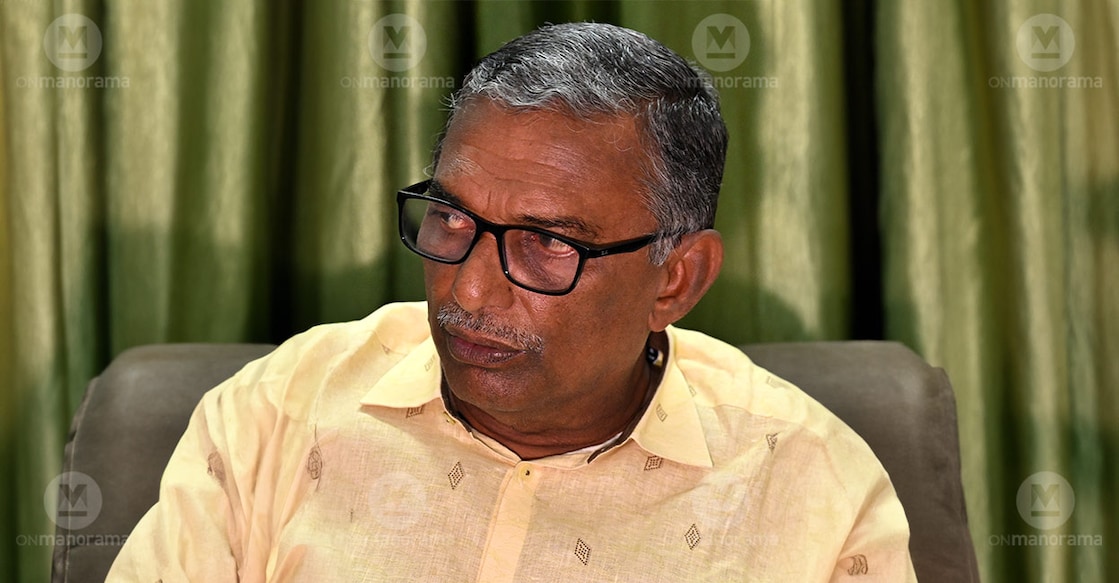
Kollam: The Kollam Vigilance Court on Wednesday dismissed the bail application of former Travancore Devaswom Board president A Padmakumar in connection with the alleged theft of gold from the Sabarimala temple. The order was passed in the case related to the Dwarapalaka idols. The court had earlier rejected Padmakumar’s bail plea in the case involving the gold-cladded copper plates, an appeal against which is now under consideration before the Kerala High Court.
On Tuesday, the Special Investigation Team probing the Sabarimala gold loss cases informed the High Court that its investigation had uncovered a “larger plan” by the accused to dismantle other gold-cladded plates from the Lord Ayyappa temple and misappropriate the precious metal. The SIT also told the court that it had found evidence of serious official misconduct, administrative lapses and a criminal conspiracy aimed at misappropriating gold from various temple artefacts.
These submissions were made while opposing the bail pleas of Padmakumar and Roddam Pandurangaiah Naga Govardhan, a jeweller from Ballari in Karnataka. Govardhan and Unnikrishnan Potty, the key accused in the case, were arrested by the SIT on December 19 last year. Opposing Padmakumar’s bail, the SIT alleged that he committed grave official misconduct by deliberately making false entries in official correspondence, which facilitated the misappropriation of gold, caused unlawful financial loss and reputational damage to the Travancore Devaswom Board, and resulted in illegal gains for Potty and others. The SIT further alleged that Padmakumar misrepresented gold-cladded plates as copper plates, paving the way for the offence.
The High Court has adjourned the bail pleas of Padmakumar and Govardhan to January 8 and has granted the SIT six more weeks to complete the investigation. So far, 10 people have been arrested in connection with the two cases.
 Add as a preferred source on Google