

Tuberose, familiar yet unknown, can fetch up to ₹180 per kg
Mail This Article


Though there are countless varieties of familiar roses, the name tuberose rarely rings a bell. Yet almost everyone has seen it. Those long, slender white flowers woven into the garlands worn by newlyweds as they step out after the wedding ceremony- that is tuberose. Garlands and bouquets, in many ways, form the permanent stage for this elegant bloom.
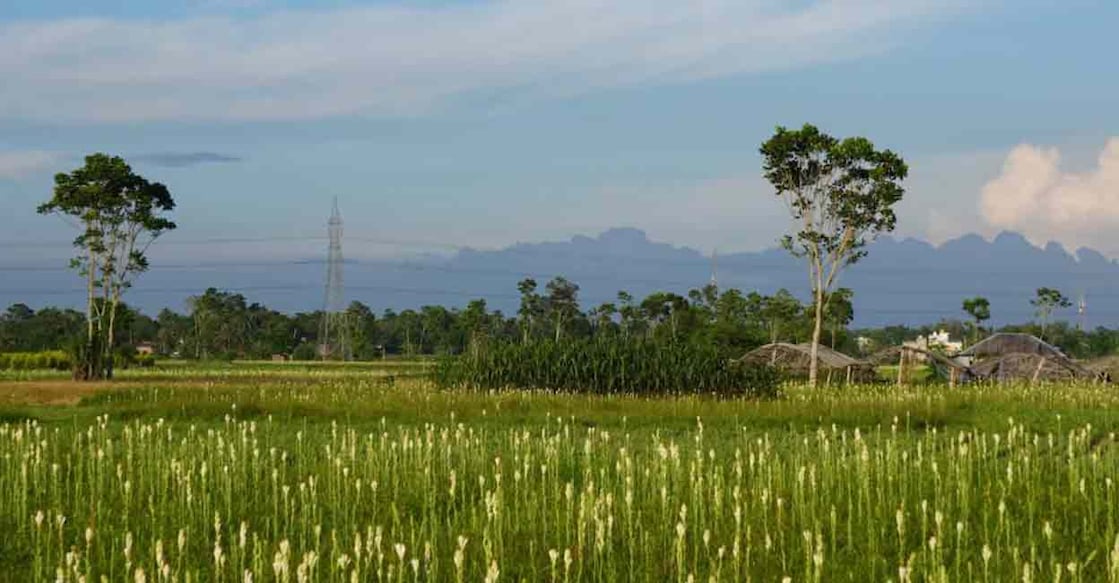
Tuberose bears clusters of pure white flowers that rise on upright stems, accompanied by narrow, grass-like leaves resembling paddy saplings. The plant is also known as Rajanigandha, and in some regions it is referred to as Kadambam. Its intense, lingering fragrance perhaps explains why the word 'rose' finds a place in its name.
In the market, tuberose commands prices ranging from ₹75 to ₹180 per kilogram, with rates often climbing higher during peak seasons. The flower enjoys steady demand, driven by its aesthetic appeal and scent.

Among India's commercially important flowers, tuberose stands out as one of the few varieties that combine visual elegance with fragrance. As the blooms remain fresh for long periods without wilting, they occupy a prominent place as cut flowers in decorative arrangements.
Varieties of tuberose
Tuberose comes in three common varieties. The first features white flowers with a single row of petals.Prominent types in this group include Srinagar, Kolkata Single, Mexican Single and Suvarna Rekha. Another variety has white flowers marked with faint pink streaks and features two or more layers of petals. Suvasini, Kolkata Double and Pearl are well-known types in this category. A third group consists of flowers with two to three layers of petals.
Grown from tubers
Tuberose is propagated from tubers, thriving best in fertile, loamy soil. The ideal planting season is between May and July, with dried cow dung to be added as a base manure. For outdoor plants, watering once every five to ten days is sufficient, while potted plants require daily watering during the scorching summer months. Both overwatering and under-watering can harm the plant. Hence, moderate watering, guided by soil moisture, is advised. For prolific flowering, tuberose needs plenty of direct sunlight.
The flowering season extends from June to October, when blooms appear in abundance. Flowers emerge one by one along the stalks that stay upright. Pest infestation is generally minimal, but fungal diseases affecting leaves and flower stalks can occur. Applying a fungicide at regular intervals helps in preventing such infections.
 Add as a preferred source on Google