

2 decades on, Malappuram tribal woman pulls through legal maze to receive postman dad's pension

Mail This Article


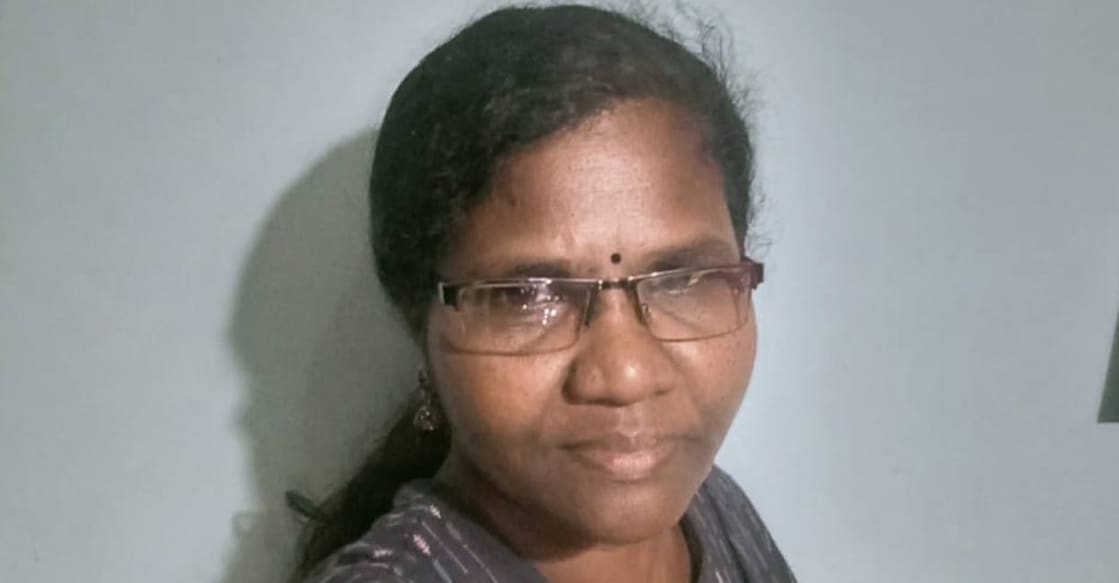
An envelope awaited C P Jiji, a 49-year-old tribal woman employed as a domestic help, on January 10 as she returned home from work. Written in English, the content was difficult for her to understand. A Class 9 dropout, Jiji sent a photograph of the document to K Sivadasan, a retired postmaster and a close associate of her late father. The response brought immense relief: after nearly two decades of struggle and repeated appeals, the government had approved her family pension—an entitlement following the death of her father, C P Ramachandran, a former postman at the Nilambur post office.
“I can’t describe the joy of finally holding the sanction order. I have waited for this for at least 20 years,” Jiji, who is unmarried and a resident of the ST colony at Mannathipoyil in Chelodu, Nilambur
Under the government rules, a family pension is paid to the spouse of a deceased government servant, and in their absence, to eligible children. Unmarried, widowed or divorced daughters are entitled to receive the pension for life or until remarriage, provided their income does not exceed ₹9,000 per month. The benefit can also be extended to dependent parents in certain cases.
Ramachandran retired from service in 2002 and died the same year. His wife Malathi had passed away a decade earlier, in 1992. Of their six children, three are now deceased. Initially, the family pension was availed by Jiji’s younger sister, Ambili. However, the payment stopped in 2005 after Ambili got married. Jiji did not apply at the time. She believed there was no provision for another child to claim the pension once it had been availed, and also assumed she had crossed the age limit. “I didn’t know that unmarried daughters could apply even after 25 years of age, or that there was a revision allowing lifelong pension,” she said.
It was only a year later that a relative informed her about the rule changes. Encouraged, Jiji began approaching government offices. With little understanding of official procedures, she visited village offices, the taluk office and other departments, repeatedly submitting documents and facing rejections. “The biggest struggle was getting the legal heir certificate. Many officials behaved rudely and told me I was not eligible since the pension had already been taken once,” she recalled. Though she consulted a lawyer at one point, she did not pursue legal action. Instead, she continued knocking on official doors, often without clear guidance on what was required.
Her fortunes changed in September 2025, when she was introduced to Sivadasan through a relative. Sivadasan, now an office-bearer of the state-level Central Government Pensioners’ Association, took up her case. “We were not aware of her suffering until then. It is our failure that the daughter of a former colleague had to wait this long,” Sivadasan said.
According to him, several procedural gaps had stalled Jiji’s application. She did not possess copies of earlier submissions, though the original application was still valid. More importantly, she had been unaware that she needed to submit legal heir certificates and death certificates of her three deceased siblings, in addition to consent from the surviving ones. There were also communication lapses. For a brief period, Jiji had stayed at her late sister Saseendra’s home to look after her niece. During that time, official letters—including one related to a PAN card—were delivered to her Nilambur address and handed over to neighbours, who failed to inform her.
Errors in documentation further complicated matters. Jiji had opened a bank account in a private bank, unaware that pension payments require a public sector or postal bank account. “All these issues were sorted out step by step,” Sivadasan said, adding that the pension will now be disbursed through a postal account. Once the paperwork was streamlined, the process moved quickly. “It took just six months to complete all formalities and get the sanction order,” Sivadasan said, crediting support from other members of the Pensioners’ Association and Nilambur MLA Aryadan Shoukath for expediting the process.
Jiji has been sanctioned pension with effect from 2008, making her eligible for arrears as well. “In 2008, the amount was ₹3,500 per month. It has now increased to ₹15,200,” Sivadasan said. She will receive the pension monthly from the Pokkottumpadam post office. “I haven’t received the money yet, but I’m happy that my efforts finally paid off,” Jiji said
A domestic worker, Jiji, currently lives with her sister Ambili, a tailor, and her family. “I walked alone for years. Now with the help of so many good hearts, my waiting has finally ended,” she said.
 Add as a preferred source on Google