

Why Kerala needs a 200 kmph rail corridor: E Sreedharan spells out the roadmap
Mail This Article


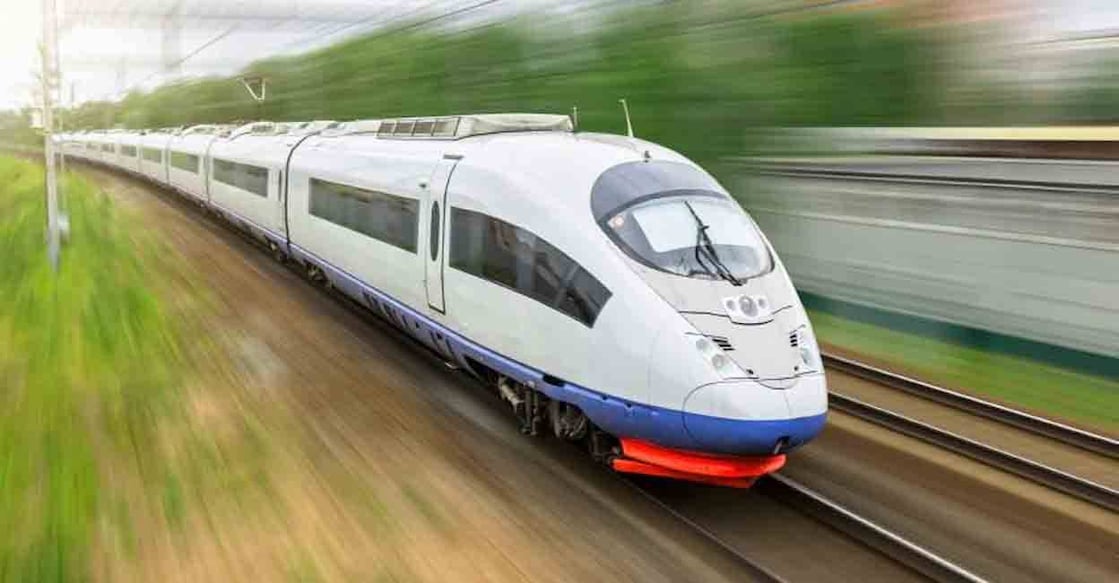
As the Centre prepares to formally declare a 200 kmph high-speed rail corridor between Thiruvananthapuram and Kannur, a 2024 letter sent by Metro Man E Sreedharan to the Union government outlines in detail why Kerala needs a dedicated high-speed passenger rail network and how it can be implemented.
In the letter, Sreedharan argues that Kerala’s high population density and its long north–south stretch of over 600 km make faster rail travel unavoidable. With the state capital located at the southernmost end, he notes that existing train services on the Thiruvananthapuram–Kasaragod route remain slow, averaging 45 to 50 kmph. Even a semi-high-speed Vande Bharat train takes around eight hours for the journey, underscoring the need for a faster alternative.
Sreedharan proposes the high-speed rail line exclusively for passenger traffic, separate from the existing railway network. To reduce land acquisition, environmental impact and trespassing, he recommends that the corridor be built largely as elevated or underground rail, with no ground-level track.
According to Sreedharan, the line would support a maximum speed of 200 kmph, with an average commercial speed of about 135 kmph. He suggests station spacing of 20 to 25 km, making the service accessible to more people than the earlier SilverLine proposal.
In the first phase, the line would extend up to Kannur, covering around 430 km. Sreedharan says this distance could be covered in about three hours and 15 minutes, while travel time from Thiruvananthapuram to Kochi would drop to 1 hour and 20 minutes, and to Kozhikode to about 2 hours and 30 minutes. Extension to Kasaragod or further north could be taken up later, as initial ridership from the northernmost district is projected to be low.
Sreedharan proposes starting operations with eight-coach train sets, each capable of carrying around 560 passengers. Trains could run at five-minute intervals during peak hours, similar to rapid rail transit systems already operating in Delhi. He notes that the required technology is available in India and that coaches can be manufactured domestically.
The project is estimated to cost about ₹200 crore per km, putting the total cost between ₹86,000 crore and ₹1 lakh crore. Sreedharan suggests a Konkan Railway–style funding model through a special purpose vehicle (SPV), with Indian Railways holding a 51 per cent stake and the state government 49 per cent. He also recommends exemptions from GST and duties to keep fares affordable, estimated at around one-and-a-half times the AC chair car fare.
On the way forward, Sreedharan stresses the need for a fresh, detailed project report. He suggests entrusting the DPR preparation either to Indian Railways or the Delhi Metro Rail Corporation. “Preparation of the DPR should be entrusted to either Indian Railways or to DMRC. Railways will take 18 months to prepare the DPR, DMRC can complete in 9 months, since they had already prepared a similar DPR for a high-speed line along the same route,” the letter reads. The construction is estimated to be completed within five years under the existing Railway Act.
 Add as a preferred source on Google