

Insurance is not an expense, it is a lifetime of hard-earned savings secured, says Lavanya Mundayur
Mail This Article


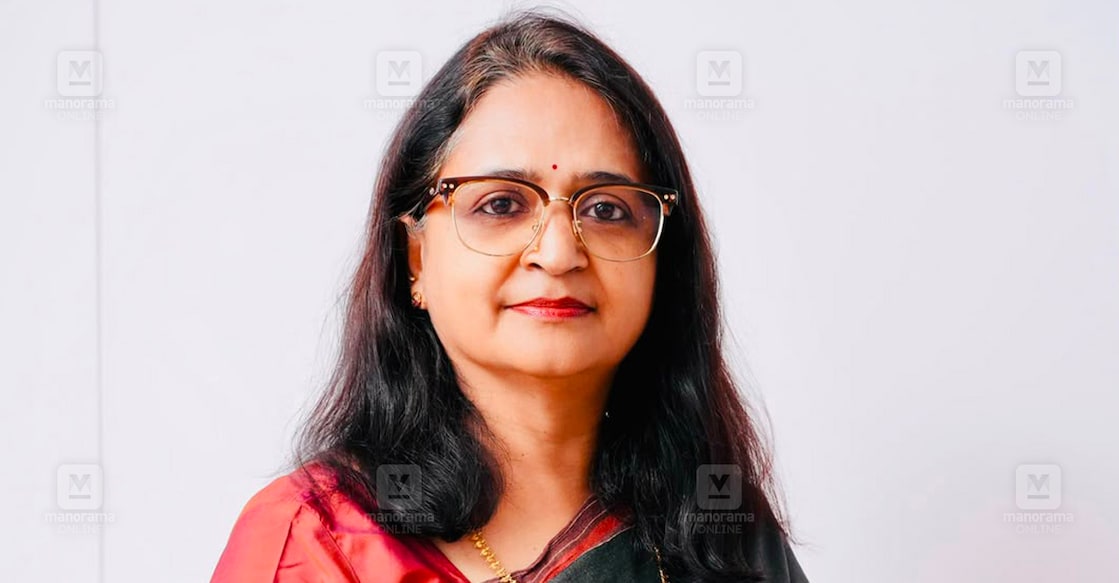
The Indian insurance landscape is poised for a major leadership transition as Lavanya Mundayur prepares to take over as the Chairperson and Managing Director (CMD) of New India Assurance Company, the country’s largest general insurance firm. Having previously steered the Agriculture Insurance Company as its CMD, Mundayur’s journey to the pinnacle of India’s corporate sector is a fascinating tale of perseverance, transitioning from a home steeped in classical arts and music to managing complex financial empires.
Born to the late AD Madhavan—a renowned music connoisseur, founder of the Navarasam Trust, and former Managing Director of Cheruvannur Steel Complex Limited—and Radha Madhavan, a distinguished Attakkatha writer and author, Mundayur was trained in Kathakali and classical dance in her childhood. She joined New India Assurance in 1991 as a direct recruit officer. Today, nearly 35 years later, she prepares to take charge of the 108-year-old institution as its first Malayali CMD. Married to Ranjith, a retired executive from Hindustan Petroleum Corporation Limited (HPCL), her family includes her daughters Dr Radhika, a neurosurgeon at Madras Medical College, and Neelima, currently pursuing her PhD in Scotland.
In a candid conversation, Mundayur shares her outlook on industry reforms, simplifying consumer experience, and making insurance a cornerstone of financial security for every Indian household.
From a perceived cost to an essential shield
While insurance has seamlessly integrated into the daily lives of citizens in Western nations, India’s market is still evolving. According to Mundayur, the fundamental barrier is psychological. "Many families still perceive insurance premiums as an avoidable expenditure," she observes. "But insurance is not a cost. It is a critical financial responsibility designed to safeguard a lifetime of hard-earned savings from sudden, unforeseen catastrophes." Whether it is a health crisis, an accident, or a natural disaster, having a robust policy prevents families from falling into debt traps or being forced to liquidate assets like gold. For Mundayur, the roadmap forward relies less on aggressive sales pitches and more on building enduring trust by communicating in simple, relatable terms.
Bridging the gap for the unorganised workforce
Corporate employees often enjoy seamless insurance blankets, but India’s economic backbone comprises auto-rickshaw drivers, small-scale farmers, fishermen, and street vendors—segments that remain largely uninsured. Mundayur believes this is not due to a lack of demand, but a lack of customisation. "The unorganised sector does not need complex, jargon-heavy corporate policies; they need basic, affordable, and transparent products," she argues. While digital platforms are revolutionising reach, Mundayur maintains that digital tools must be complemented by localised, regional-language customer desks. In rural India, trust is still built through human interaction and local accessibility.
Rethinking market share and business growth
Reflecting on her tenure at the Agriculture Insurance Company, where she successfully expanded market share, Mundayur emphasizes that metrics must not be chased blindly. "Market share is not merely a percentage on a spreadsheet; it is a direct reflection of customer trust," she explains. Sustainable growth, she believes, is built on a foundation of robust underwriting, stellar customer service, and timely claim settlements. "You cannot buy market share through heavy advertising. Your customers are your greatest brand ambassadors, and their positive experience is the only sustainable foundation for long-term growth."
Tackling healthcare inflation and billing transparency
With rising concerns about healthcare providers overcharging insured patients, Mundayur advocates for a balanced and collaborative ecosystem. While acknowledging that the majority of medical professionals serve with integrity, she points out that isolated malpractices dent consumer faith in the system. "The solution lies in transparency rather than over-regulation," she states. Utilising data analytics, standardising treatment guidelines, and deploying shared digital platforms can align the interests of hospitals, insurers, and patients. Most importantly, she notes, a patient entering a hospital is already under immense stress; ensuring they face zero administrative hurdles or delayed approvals must be the top priority.
The ultimate test: Demystifying the claim process
For Mundayur, the true mettle of an insurance firm is tested at the moment a claim is filed. "An insurance policy is a promise. It is during a crisis—be it an illness or a natural calamity—that we must deliver on that promise with compassion," she says. By removing redundant paperwork and ensuring real-time digital tracking, insurers can ease the psychological burden on policyholders. Ultimately, combining cutting-edge technology with human empathy is what turns a standard transaction into a lifelong relationship of trust.
