

Floods in Kerala: Critical steps to secure and clean your home safely
Mail This Article


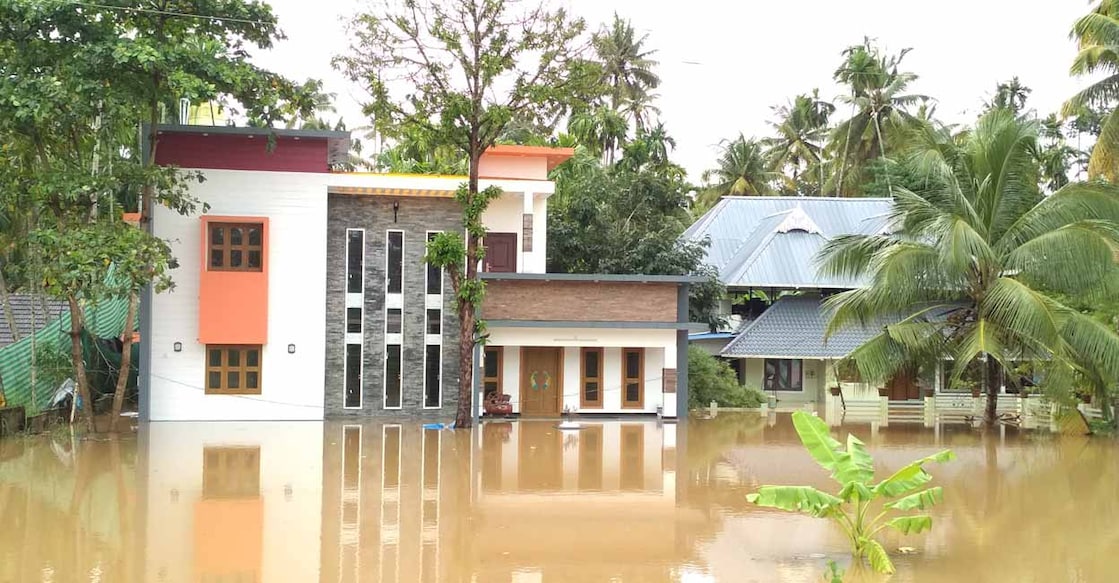
The recent heavy rains across Kerala have brought back haunting memories of the devastating 2018 floods. With water bodies overflowing and entering residential areas overnight, many homes have once again been inundated. If your home has been affected by sudden rising waters, there are vital immediate and long-term measures you must take to protect your family and restore your property.
First steps: Cut power and secure utilities
The absolute first priority when water begins to enter your home is to disconnect all electrical appliances and switch off the main power supply. Turn off your cooking gas (LPG) cylinders immediately. Operating electrical equipment or outlets that have been submerged is highly hazardous and can result in fatal shocks. Additionally, because floodwater is frequently contaminated with sewage, chemicals, and pathogens, always wear protective gear such as rubber boots, heavy-duty gloves, and masks before stepping into the water.
Draining and drying out the property
Once the rain subsides, use buckets or water pumps to drain the stagnant water from inside the house. You can also dig temporary channels or trenches in your garden to divert standing water away from the structure, as stagnant water is a major breeding ground for water-borne illnesses. Once the water is completely drained, ensure the area is thoroughly dried before attempting to restore power. It is highly recommended to have a certified electrician inspect the wiring before switching the mains back on.
Cleaning, sanitising, and preventing mould
The next crucial step is removing the thick layer of mud and debris left behind. Use clean water from a hose to wash down all affected surfaces, then sanitise the entire area. Scrubbing the walls and floors with a bleach-based solution is essential to eliminate bacteria and pathogens. If you cannot have them professionally cleaned, it is safest to discard damp mattresses, carpets, and upholstered furniture, as these are highly susceptible to toxic mould. Open all doors and windows to encourage air circulation, and run fans or dehumidifiers to pull residual moisture out of the air.

Future-proofing your home against floods
To protect your home from future extreme weather events, consider upgrading your property's drainage system. Ensure the land around your house is graded to slope away from the foundation, encouraging natural run-off. Installing French drains, soak pits, or modern drainage channels can significantly reduce the risk of water pooling.
For homes built in persistently low-lying areas, look into advanced structural engineering such as house-lifting technology to elevate your entire property. Finally, seal any foundation cracks with premium waterproofing materials and keep sandbags on standby if you live near water bodies during high-alert monsoon seasons.
 Add as a preferred source on Google